
Trump’s decision to reduce two Utah national monuments has revived a familiar fight over who benefits when federal land protections change. The available reporting establishes the scale of the cuts and the mineral stakes, but not a specific stock-trading allegation.
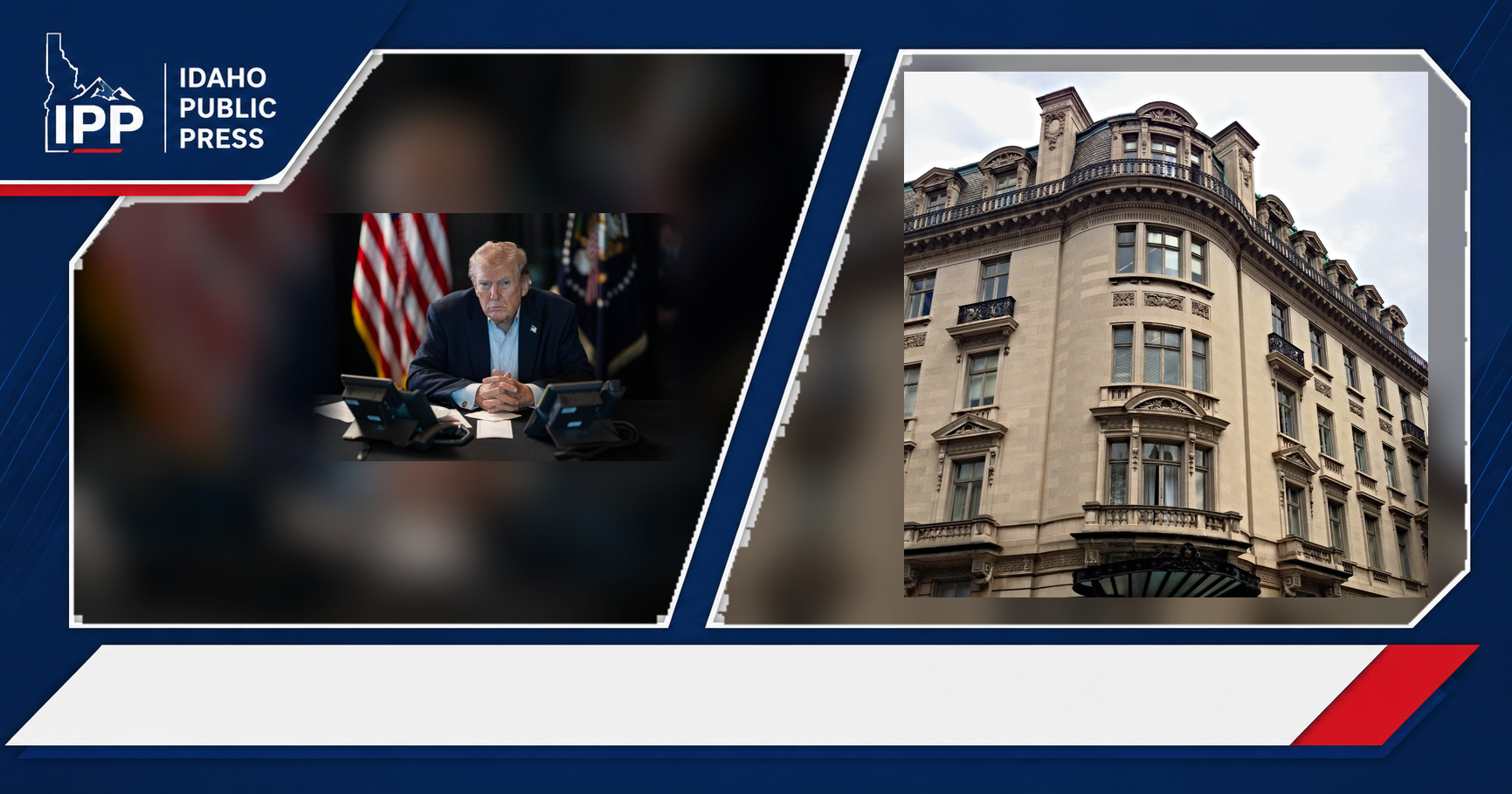
Donald Trump moved Monday to reduce protections for two national monuments in Utah—Bears Ears National Monument and Grand Staircase-Escalante National Monument—while alleged stock purchases linked to the policy action drew scrutiny. The move cuts the two monuments from more than 3.2 million acres combined to less than 303,000 acres, raising new questions about financial interests around public-land decisions.
The phrase “shady stock buys” suggests a serious conflict-of-interest claim. But the reporting supplied here documents Trump’s monument reductions and the land’s coal and uranium potential; it does not identify stock purchasers, transactions, dates, companies or evidence proving that trades were connected to the decision.
Two Utah monuments were sharply reduced
Trump’s proclamation revisits a major fight from his first term. He previously reduced Bears Ears and Grand Staircase-Escalante, and President Joe Biden later restored their boundaries.
The latest action again reduces both monuments, which together had covered an area nearly the size of Connecticut. PBS, citing Associated Press reporting, said the revised boundaries leave the pair at less than 303,000 acres combined.
That acreage change is the concrete policy outcome behind the controversy. Monument designations can limit new mining, drilling and construction across broad surrounding landscapes, not simply around a single archaeological site or natural feature.
Trump framed the move as returning land to the people. Utah officials who supported the decision have long argued that state and local interests should have more say in the management of federal land.
Why mineral access drives the fight
Bears Ears and Grand Staircase-Escalante are not empty stretches of federal land. The areas contain striking geological landscapes, archaeological and cultural sites, and places held sacred by some Native American tribes.
They also sit near resources with commercial value. Grand Staircase-Escalante includes large coal reserves, while the Bears Ears area includes uranium, according to the PBS report.
That combination makes monument boundaries politically consequential. A smaller protected footprint can change which lands are subject to the strongest restrictions, even if other federal and state laws continue to apply outside the revised monument lines.
Supporters of the reductions argue the original boundaries were too expansive and could impede access to minerals they consider essential. Critics see the same decision as a route toward extractive development in places they believe require durable protection.
What the stock-buy claim establishes
It is reasonable to examine whether investors, officials, companies or associates could benefit from changes in public-land policy. Markets can react to government actions, especially when policy affects access to energy, mining or infrastructure opportunities.
But suspicion is not proof. The supplied material contains no named buyer, company ticker, transaction record, disclosure filing, investigative finding or official allegation that would substantiate a claim that particular stock purchases were timed around Trump’s monument decision.
That distinction is especially important in a political story. Calling trades “linked” to an action can imply that the purchasers had advance knowledge, insider information, influence over the policy, or a direct financial benefit. Each possibility requires evidence of its own.
A well-supported account would need to show who bought what, when the purchases occurred, what nonpublic information—if any—was involved, and how the buyer was connected to the policymaking process. None of those elements is established in the research provided.
Tribal leaders see a deeper loss
The dispute is about more than mineral economics. Bears Ears is jointly managed through an agreement involving tribal nations and federal agencies, and tribal advocates say the land carries cultural and spiritual meaning that cannot be reduced to a resource calculation.
Davina Smith-Idjesa, a Navajo Nation citizen and co-chair of the Bears Ears Inter-Tribal Coalition, said the community’s connection to the place could not be erased “by the stroke of a pen,” according to PBS.
Conservation groups and tribal citizens have warned that shrinking the monuments could weaken protections and undermine tribal co-stewardship. Their concern is that boundary changes create a practical opening for development even where the legal path to any specific project remains uncertain.
Utah Gov. Spencer Cox, a Republican, offered the opposing view: the issue, he said, is not whether the land should be protected but how it should be protected. His office said lands removed from the revised monument boundaries remain covered by existing federal and state law.
The legal authority remains contested
The Antiquities Act of 1906 gives presidents authority to designate national monuments for areas of cultural, historic or scientific interest. It does not plainly settle, in the view of critics, whether a president can later substantially reduce a predecessor’s designation.
Environmental advocates have argued that the law grants a one-way power to create protections, not erase them. Yet presidents have reduced monument acreage more than a dozen times since 1912, according to a National Park Service database cited by PBS.
That historical record complicates the legal argument but does not end it. Trump’s earlier Utah reductions prompted litigation, and Biden’s restoration showed how easily monument policy can shift when presidential administrations change.
The result is a recurring cycle: a president draws or redraws a boundary, opponents challenge the decision politically and legally, and the affected communities face uncertainty about the land’s long-term status.
The real question is transparency
The documented facts are substantial: Trump has reduced Bears Ears and Grand Staircase-Escalante in Utah; the decision sharply lowers their combined acreage; and the surrounding debate involves culturally significant land and potentially valuable coal and uranium resources.
The alleged stock-purchase connection, however, remains unverified on the information available here. Treating an allegation as established would blur a vital line between legitimate oversight and unsupported accusation.
That does not make scrutiny irrelevant. Public confidence in land policy depends on clear disclosure, enforceable ethics rules and reporting that can distinguish policy outcomes from claims about private gain.
For now, the immediate fight centers on the new boundaries, the protection of tribal and cultural sites, and whether reduced monument acreage will alter future development choices. Any claim of financially motivated trading needs evidence as specific as the policy itself.







Leave a Reply