
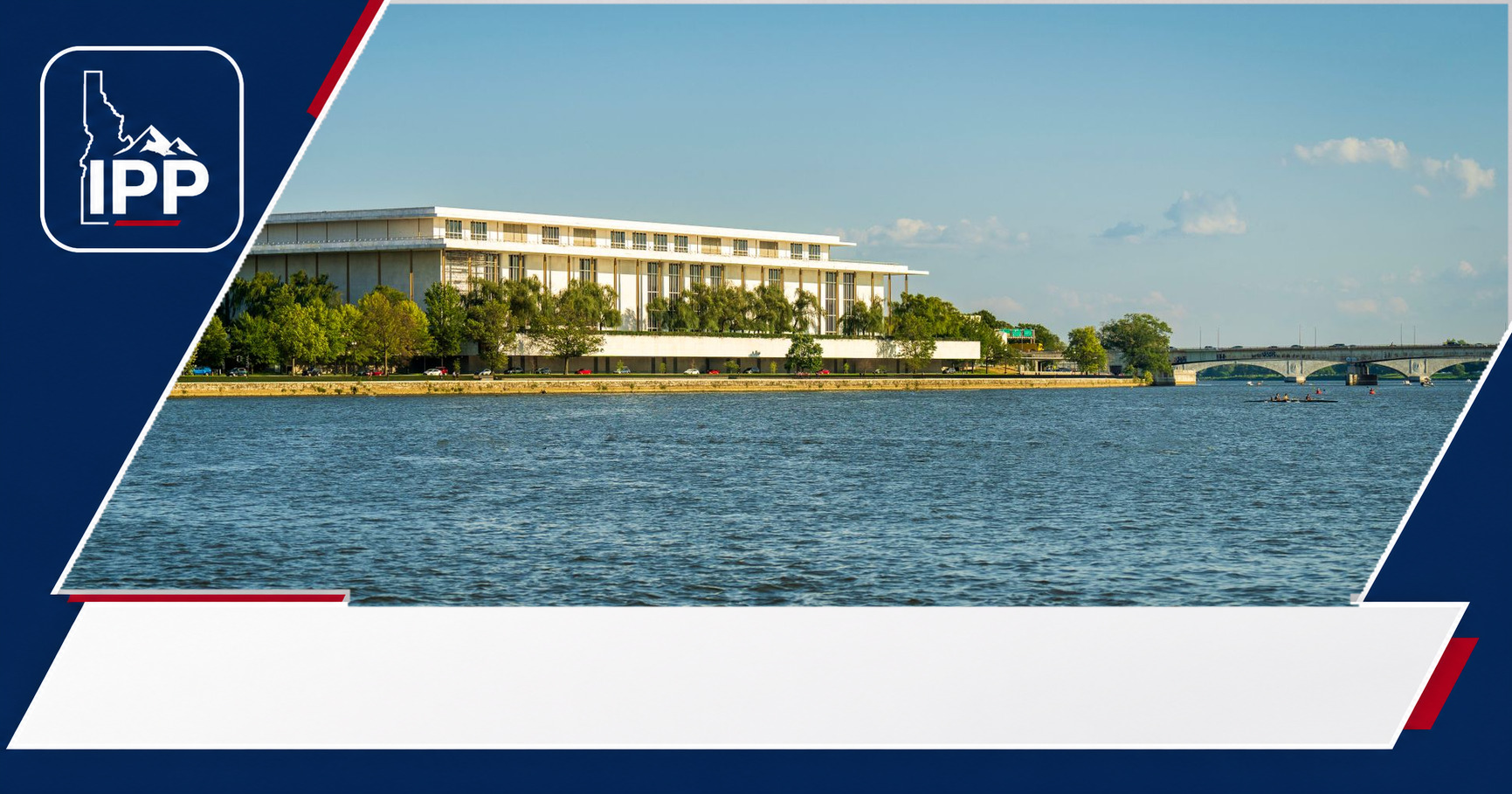
The covering has obscured the building’s altered exterior and fueled questions about why the scaffolding remains. The Kennedy Center says the work is tied to maintenance, while a federal judge has sought more detail about the institution’s renovation plans.
Donald Trump’s name was removed from the Kennedy Center, but a massive tarp still covers the Kennedy Center entrance in Washington, D.C. The Kennedy Center says the tarp remains in place because crews are addressing maintenance or other repairs, leaving the altered facade largely hidden from view.
The explanation has not ended the questions. The tarp and scaffolding went up for the removal work, and their continued presence has turned a building-maintenance issue into a visible flashpoint over the landmark’s identity, access and future renovation plans.
The name came down overnight
According to reporting by The Washington Post, a 14-member crew removed 18 exterior letters reading “The Donald J. Trump and” at about 3 a.m. on a Saturday in June. The work followed a court-ordered deadline, PBS reported in an Associated Press dispatch.
By the time the crew began taking down the letters, a crowd that had numbered more than 200 people had diminished substantially. Some demonstrators had chanted, “Take it down!” as they waited near the building.
The letters were removed, but the equipment used to reach them did not immediately disappear. Scaffolding remained in front of the entrance, draped in large tarps and separated from the public with barricades. Security guards were stationed nearby, according to the Post.
That sequence matters because the physical evidence of the name removal has been difficult for visitors to see. People arriving at the Kennedy Center have instead encountered a covered facade rather than an unobstructed view of the building’s signage.
The official explanation is maintenance
Kennedy Center spokeswoman Roma Daravi said the tarps and scaffolding “will remain up as crews address maintenance” and other repairs, according to the Post’s June reporting. That is the institution’s stated reason for keeping the installation in place after the lettering work.
Scaffolding and protective tarps can serve practical purposes during exterior work. They can protect pedestrians, shield a work area from weather and provide access for crews handling repairs beyond one highly visible task.
But the Kennedy Center has not publicly laid out, in the reporting available, a detailed work schedule, a full list of repairs or a firm removal date for the tarp. That lack of specificity is why a straightforward maintenance explanation has drawn continued scrutiny.
The distinction is important: the Kennedy Center has described the covering as connected to ongoing work. Critics and curious visitors have focused on the fact that it also blocks a clear view of where Trump’s name had been.
Why the covering became political
The Kennedy Center is not an ordinary office building. It is a nationally prominent performing-arts institution and a major public symbol in the nation’s capital, so changes to its exterior carry cultural and political weight beyond the construction site.
For people who supported removing Trump’s name, the tarp has made it harder to confirm the change in person. For those who see the controversy as overblown, the maintenance explanation points to the ordinary logistical demands of managing a large, aging public venue.
Both readings can exist at once. A tarp can be necessary for work crews while also becoming a potent visual symbol when it conceals the result of a contentious decision involving a sitting or former president.
That is the tension around the entrance: the Kennedy Center’s explanation addresses the operational reason for leaving the structure up, but it does not erase the public interest in what the covering prevents people from seeing.
A judge sought clearer answers
The questions have reached federal court. U.S. District Judge Christopher Cooper asked the Kennedy Center to explain the tarps covering the building, the Post reported on June 24, 2026.
Cooper also pressed the institution on a broader issue: whether it would remain open during an anticipated two-year renovation period. That issue puts the tarp dispute in a larger context than the removed lettering alone.
A renovation of that scale can affect performances, ticket holders, staff, resident arts organizations and visitors planning trips to Washington. Whether work requires closures, partial closures or altered access is therefore a practical question as well as a legal and political one.
The available reporting does not establish a final timetable for the renovation work or a definitive plan for operations during it. The judge’s request signals that more information may be required from the institution about both the temporary covering and its longer-term construction plans.
Visitors still face an obscured entrance
For now, the most immediate answer is also the simplest: the massive tarp remains because the Kennedy Center says crews are still working on maintenance and repairs. The scaffolding was initially used in the process of taking down Trump’s name, and it has stayed in place afterward.
What remains unclear is how long the work will last, what specific repairs are underway and when the building’s exterior will again be fully visible. Those details matter to visitors, but they also shape whether the public views the tarp as routine construction protection or an unusually opaque response to a controversial change.
The episode shows how quickly a temporary building feature can take on broader meaning. At the Kennedy Center, a tarp intended to screen a work zone now screens a public argument as well.
What to watch next
- A removal timetable: The Kennedy Center has said the tarp will stay up for maintenance work, but a public end date has not been detailed in the reporting.
- More on the repairs: A clearer description of the maintenance work could help explain why the scaffolding needs to remain.
- Renovation and access plans: The court’s focus on a possible two-year renovation raises questions about performances and public entry in the months ahead.
- The building’s visible exterior: Once the tarps come down, visitors will be able to see the result of the name removal without the current obstruction.
Until then, the Kennedy Center’s entrance remains covered, and the practical explanation for that cover continues to sit inside a far more public debate.








Leave a Reply