

A question about U.S. interests in Taiwan exposed a sharp vulnerability for Darline Graham as she seeks to retain her appointed Senate seat. The exchange matters because foreign policy was central to the legacy of her late brother, Lindsey Graham.
Sen. Darline Graham was challenged by a national security question in a South Carolina debate Tuesday, and she struggled to answer whether the United States has a national security interest in Taiwan and the South China Sea. Graham said she was “not that informed on national security,” a striking admission one week before the Republican runoff for the Senate seat to which she was appointed last month.
The exchange gave Rep. Ralph Norman, Graham’s GOP rival, a ready argument that she is unprepared for a six-year Senate term. It also created an uncomfortable contrast with Graham’s late brother, Lindsey Graham, whose lengthy Senate career was closely associated with military and foreign-policy issues.
A direct question, no direct answer
The debate question was straightforward: Are Taiwan and the South China Sea national-security issues for the United States, and if so, why?
According to the Associated Press, Graham did not directly explain the U.S. stake. Instead, she pointed to her family’s military ties, saying her brother served in the Air Force for 33 years and her father was in the Army. She said she would support the military.
Then came the line likely to follow her through the final stretch of the race: “National security is not my thing, not my area of expertise.” Graham added that she was not a polished politician.
There is a political case for humility, particularly from a first-time candidate who has only recently joined the Senate. But a debate answer can be judged less by its sincerity than by whether it reassures voters that a candidate can meet the demands of the office. On that measure, Graham handed her opponent a clear opening.
Why Taiwan is not abstract
Taiwan and the South China Sea are not niche foreign-policy topics. They sit at the center of U.S.-China tensions, military planning in the Indo-Pacific and a global shipping route that carries major commercial traffic.
China claims Taiwan as its territory and has not ruled out using force to bring the self-governed island under Beijing’s control. The United States has long maintained what is often called strategic ambiguity: Washington has not made an unqualified public commitment to send U.S. forces if China attacks Taiwan, while also supporting Taiwan’s ability to defend itself.
The South China Sea raises a connected set of concerns. China asserts sweeping claims in waters also claimed by other governments, including the Philippines. A 2016 arbitration ruling under the U.N. Convention on the Law of the Sea rejected the legal basis for China’s expansive claims, though Beijing has rejected that decision.
For senators, these questions reach beyond a single overseas dispute. The Senate votes on defense spending, military authorizations, sanctions, treaties and senior national-security nominees. A candidate need not favor military intervention to explain why the region matters; she does need to show she understands the choices and consequences involved.
Norman sees an opening
Norman argued that Graham’s answer demonstrated a lack of preparation rather than an understandable learning curve. “You need to get fully versed in what issues you’re going to be dealing with,” he said, according to the AP. “This isn’t a get training on the job, you can’t do that.”
That critique is aimed at the basic distinction in the runoff. Graham is a political newcomer appointed to fill the seat after her brother’s unexpected death on July 11. Norman is an established conservative politician with experience in Congress.
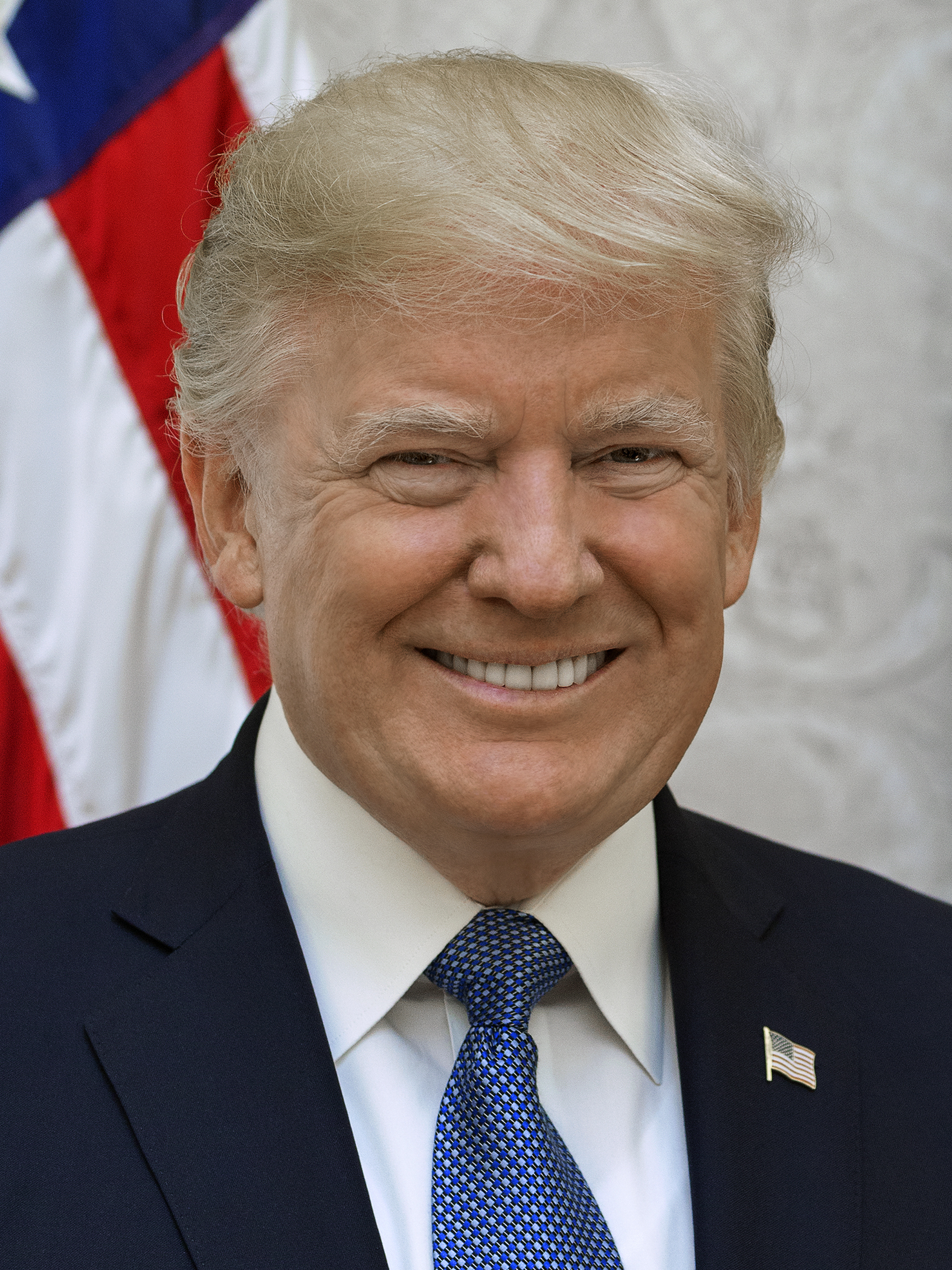
Graham still has a major asset in the contest: President Donald Trump’s endorsement. Trump is scheduled to campaign for her in South Carolina on Friday, giving her a high-profile chance to refocus the campaign around the president’s support and issues that animate Republican primary voters.
Yet endorsements do not erase a debate clip. Rivals often use moments like this because they are easy to understand without a deep command of policy: one candidate was asked a question, did not answer it, and acknowledged a gap in knowledge.
The Lindsey Graham comparison
The episode carries extra weight because foreign policy was a defining part of Lindsey Graham’s public career. During his decades in the Senate, he made repeated overseas trips, met foreign leaders and was deeply involved in debates over military action, alliances and U.S. policy toward China.
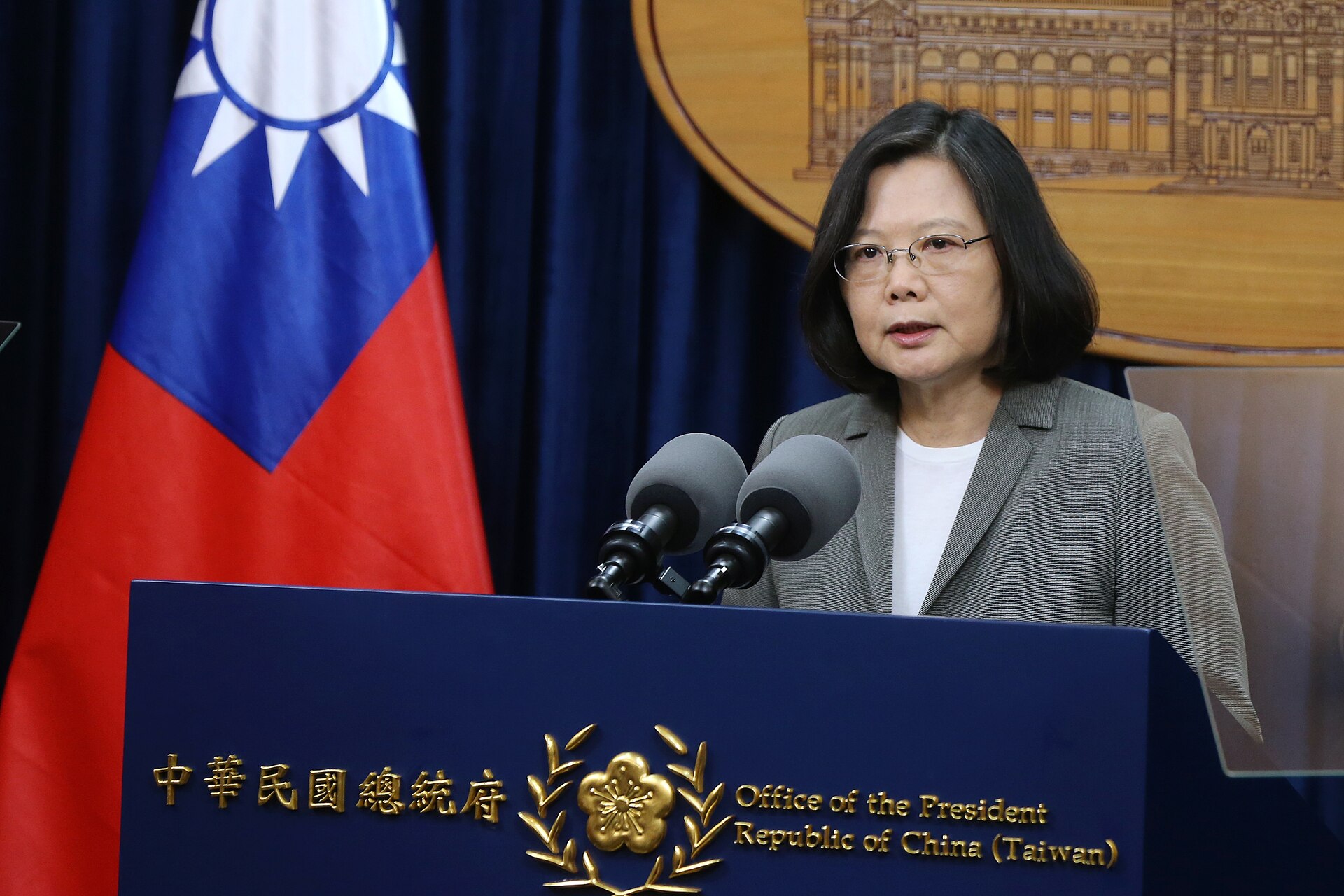
He traveled to Taiwan multiple times. In 2022, he led a bipartisan congressional delegation that met with then-President Tsai Ing-wen and Taiwan’s defense minister.
Darline Graham has not presented herself as a replica of her brother, and she should not be expected to inherit his expertise automatically. Still, the comparison is unavoidable because her appointment, candidacy and public profile are intertwined with his legacy.
Her challenge is to define an independent Senate identity without appearing indifferent to an area that was central to the office she now holds. Saying national security is outside her expertise may be candid. In this race, it also risks sounding like a retreat from a core responsibility.
Graham’s answer after the debate
Asked by reporters whether she wanted another opportunity to answer the moderators’ question, Graham did not offer a fuller explanation of Taiwan or the South China Sea. Instead, she said South Carolinians were more worried about their pocketbooks than the South China Sea.
That response reflects a common campaign calculation. Voters often rank prices, wages, taxes and local concerns above international affairs. Graham is trying to argue that her priorities are grounded in day-to-day economic pressure rather than Washington’s foreign-policy debates.
She also said she had repeatedly discussed China during the debate and recognized it as a national threat. Those statements give her a foundation for a more developed response in future appearances, should she choose to make one.
The unresolved question is whether voters will view the episode as one imperfect answer from a novice candidate or as evidence of a broader readiness problem. With the runoff only days away, Norman’s campaign has every incentive to make it the latter.
What the runoff will test
The immediate test is whether Graham can move the race back to domestic issues and Trump’s backing before the debate exchange defines the closing argument. She may also face pressure to clarify her views on China, Taiwan, military support and the limits of U.S. commitments abroad.
Norman, meanwhile, must convert a sharp moment into a durable case for his own candidacy. His argument is likely to be that Senate experience and preparedness matter most when decisions involve war, alliances and the use of American power.
Graham’s political problem is not that every senator arrives as a foreign-policy specialist. Few do. It is that she openly identified a knowledge gap on a subject voters may reasonably expect a senator to confront, and did so while running to retain a seat associated with one of the chamber’s most prominent national-security voices.
That makes the Taiwan question more than a debate stumble. It has become a test of how Darline Graham wants South Carolina voters to understand her qualifications for the job.





Leave a Reply