
Markets can move on a shift in perceived risk well before diplomats produce a signed agreement. The Iran episode shows why a presidential signal can be treated as a meaningful economic event — and why that optimism can reverse quickly.
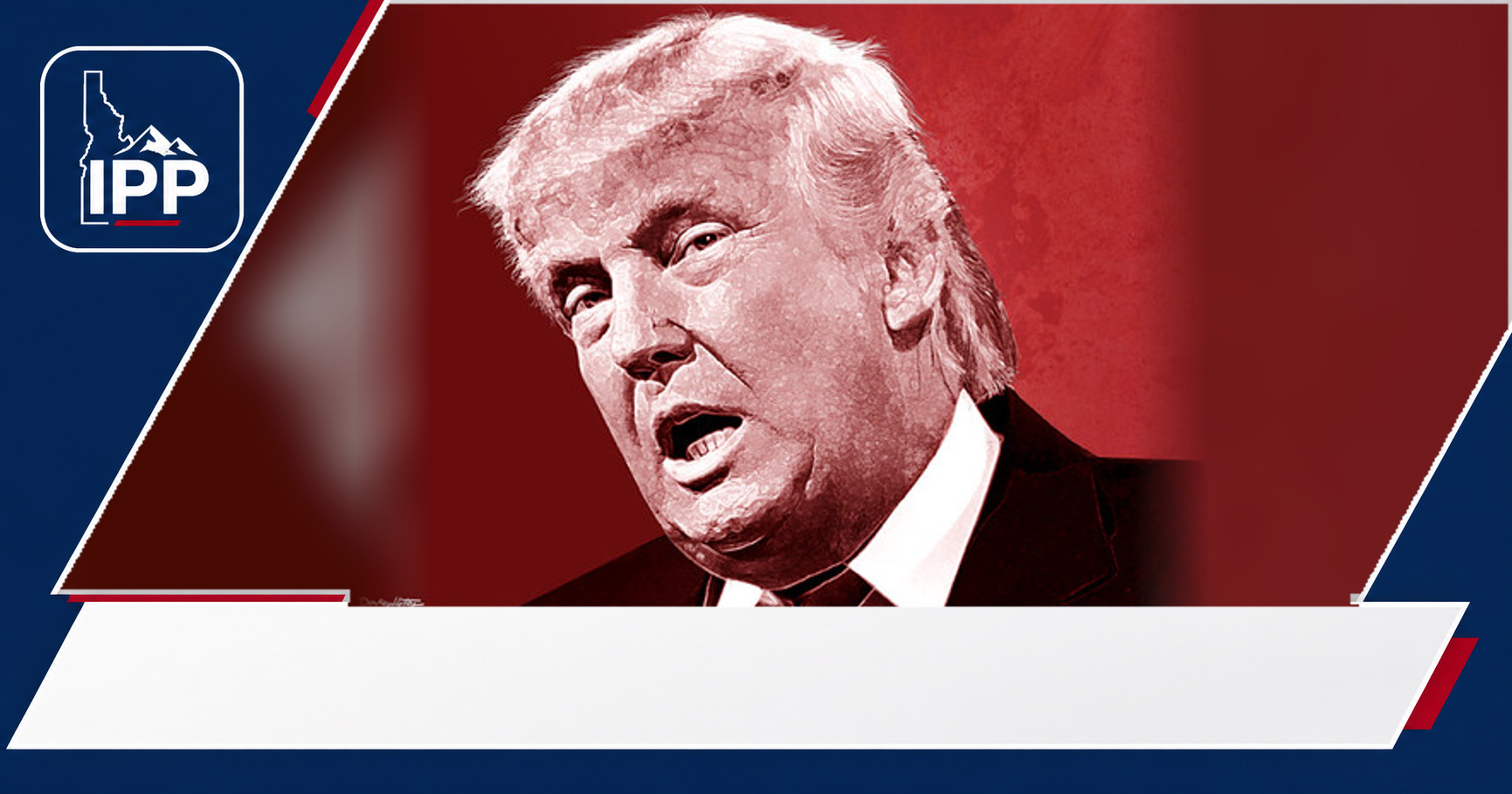
Donald Trump teased a potential deal with Iran, but the deal did not materialize. Financial markets rose sharply anyway, responding to expectations that an Iran deal could reduce the risk of a wider conflict and economic disruption.
That gap — between a presidential signal and a completed agreement — explains why markets keep reacting this way. Investors do not need certainty to change prices; they need a reason to believe the odds of a costly outcome have fallen, even temporarily.
Markets price probabilities, not signatures
A market rally after talk of diplomacy is not necessarily a declaration that investors believe a deal is done. It is usually a reassessment of risk.
For traders, the relevant question is often not whether Washington and Tehran have settled every major dispute. It is whether the chances of escalation, shipping disruptions, new attacks or a prolonged regional crisis look lower than they did a day earlier.
When Trump signals that a deal may be near, markets can quickly trade on a more favorable scenario: fewer disruptions to energy supplies, less pressure on consumer prices, lower costs for companies exposed to fuel or transportation, and a reduced chance of broader military involvement.
That is why a diplomatic hint can have an outsized effect. It changes the range of possible outcomes investors are weighing, even if the most optimistic outcome remains far from guaranteed.
Iran risk reaches beyond diplomacy
The stakes are not confined to the negotiating table. Conflict involving Iran can affect oil markets, freight routes, insurance costs and the confidence of businesses with supply chains stretching through the Middle East.
That sensitivity is especially acute around the Strait of Hormuz, a strategically vital waterway for global energy shipments. Any threat to regional shipping can sharpen concerns about energy prices and inflation far beyond the countries directly involved.
A credible path toward de-escalation can therefore be treated as positive news for a much wider set of assets. Investors may see lower odds of an oil shock, a less difficult inflation outlook and less need for central banks to contend with another external price surge.
The reverse is also true. If negotiations stall, military action resumes or either side disputes the terms of an understanding, the same relief trade can unwind quickly.
Trump’s remarks meet unresolved goals
The optimism has run ahead of the available details. Associated Press reporting said Trump described the United States as close to signing a memorandum of understanding with Iran to wind down the war, while key U.S. objectives remained unsettled.
Those objectives have included degrading Iran’s missile capacity, weakening its defense-industrial base, limiting its ability to threaten U.S. allies, and addressing Iran’s nuclear program. The administration’s public framing of those aims has shifted at different points in the conflict, AP reported.
One of the most consequential open questions concerns enriched uranium. Trump said there was a conceptual understanding involving material believed to be buried beneath nuclear sites struck by the U.S. and Israel, according to AP. Iran had not publicly confirmed an agreement, and major practical details remained unclear.
That distinction matters. A statement that negotiations are close is not the same as consent from Iran, verified implementation, or a durable arrangement that resolves the underlying disputes.
Why optimism can arrive so fast
Financial markets are built to react ahead of events. Waiting for a formal agreement, a detailed text and confirmation from every party may be prudent for diplomats, but it can be too late for investors trying to anticipate the next move.
There is also a powerful asymmetry in crisis markets. When the baseline fear is an expanding conflict, even an incomplete sign of restraint can be enough to lift risk appetite. The rally is often less about enthusiasm for a specific deal than relief that the worst-case path appears less likely.
Trump’s public comments can carry particular weight because the president has direct influence over U.S. military posture, sanctions policy and the terms Washington is prepared to pursue. Investors have reason to watch those signals closely, even when they cannot yet verify an agreement.
But rapid repricing can create a feedback loop. A market that rises on a possible diplomatic breakthrough may increasingly behave as if progress is real, making later disappointment more disruptive when the underlying facts fail to catch up.
The rally has a skeptical reading
The bullish interpretation is straightforward: diplomacy, even tentative diplomacy, lowers the odds of economic damage. A potential agreement could ease fears surrounding oil supply, regional attacks and a wider confrontation involving U.S. partners.
The skeptical interpretation is that markets may be assigning too much value to a headline and too little to the hard work required to sustain a deal. Iran’s missile capabilities, nuclear material, regional security and the safety of U.S. allies are not issues likely to be settled by rhetoric alone.
AP reported that Iran has continued to demonstrate an ability to strike in the region despite U.S. and Israeli operations. That fact underscores the difference between tactical military gains and a strategic settlement that changes future behavior.
Neither view requires assuming that investors are irrational. Markets can reasonably welcome a lower-risk possibility while also underestimating the chance that talks fail, the terms prove unacceptable or the conflict produces another shock.
What would make the signal durable
For the market response to become more than a short-term relief rally, investors would need clearer evidence: confirmed participation by Iran, specific terms, a timetable, and signs that the arrangement can be carried out without renewed attacks or a breakdown over enforcement.
They will also be watching for whether the deal addresses the issues the administration has described as central. If the agreement leaves major questions unresolved — particularly on missiles, nuclear material and regional security — investors may judge it as a pause rather than a durable end to the risk.
Until then, the key lesson is simple. Financial markets are reacting to changing odds, not waiting for a final diplomatic document. Trump’s Iran deal signal mattered because it offered a possible off-ramp from a destabilizing conflict; the fact that no agreement materialized is precisely why the rally remains vulnerable to the next development.





Leave a Reply