
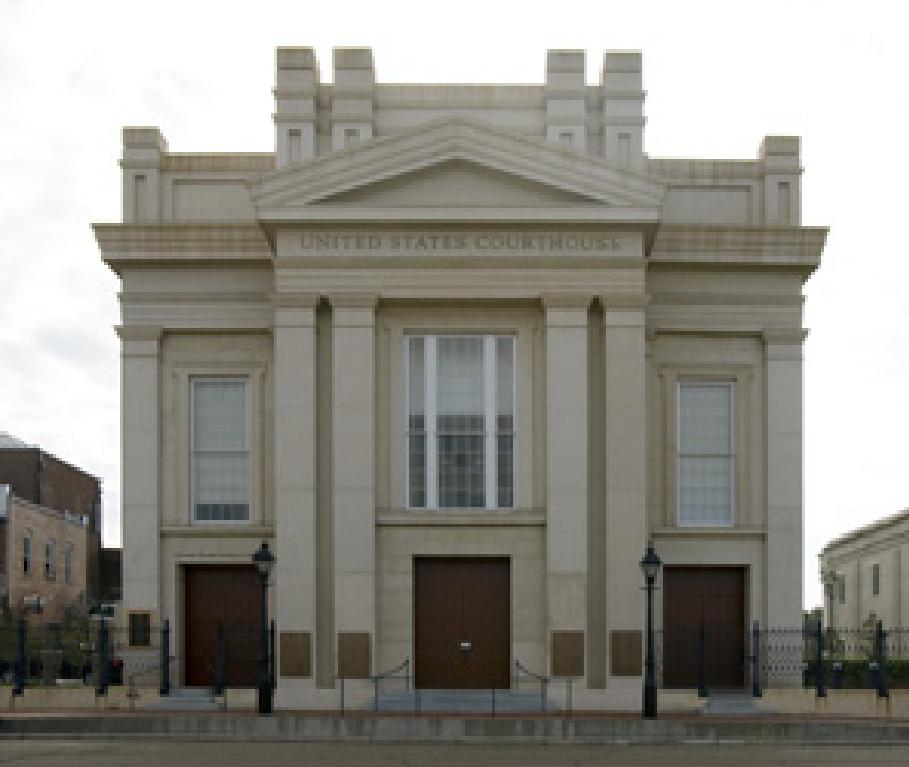
The decision removes a court barrier to ending a key immigration protection, but it does not by itself spell out every individual’s next step. The practical impact will depend on federal notices, eligibility details and any further legal action.
A U.S. judge allowed deportation protections for South Sudanese nationals to end, clearing the way for the Department of Homeland Security to terminate Temporary Protected Status for South Sudan in the United States. The ruling matters because TPS can provide qualifying people with temporary protection from removal and authorization to work while the designation remains in effect.
Reuters reported that the federal court decision lets DHS move forward with ending TPS for South Sudan. The order does not, on its own, answer every question for South Sudanese nationals living in the U.S.; official agency notices, individual immigration histories and any additional litigation will determine what happens next.
The court removed a barrier
The key outcome of the ruling is procedural but significant: DHS is no longer blocked by this court challenge from ending the South Sudan TPS designation.

That is different from a judge independently ordering people to leave the country. The decision, as described by Reuters, permits the government to proceed with its planned termination of the protection.
For affected families, the distinction may sound technical. In practice, it determines who has the authority to set the termination process in motion: DHS, through the immigration agencies that administer TPS.
What Temporary Protected Status does
Temporary Protected Status is a time-limited humanitarian immigration designation. The federal government can designate a country when conditions such as armed conflict, environmental disaster or other extraordinary and temporary circumstances make return unsafe or infeasible under the standards set by law.
People who are eligible for TPS and properly registered are generally protected from removal for the duration of the designation. They may also seek employment authorization. TPS is not the same as lawful permanent residence, a green card or U.S. citizenship.
That temporary nature has always been central to the program. A designation can be extended, redesignated or terminated by the government, subject to statutory requirements and, at times, court challenges over how those decisions were made.
A termination is not one-size-fits-all
Ending a country’s TPS designation can put many people in a more uncertain position, but it does not mean every South Sudanese TPS holder has the same legal situation.
Some individuals may have another immigration status, a pending application, a family-based pathway, an asylum claim or a separate form of protection. Others may have no alternative status identified in the information available publicly.
That is why broad headlines about deportation protections should not be read as an immediate determination of any one person’s case. Immigration consequences depend on individual records, application history and the terms of the government’s formal termination notice.
- TPS eligibility: Whether a person was properly registered under the South Sudan designation.
- Other immigration options: Whether another visa, petition or protection claim is pending or available.
- Agency deadlines: The effective date and transition terms published by DHS or U.S. Citizenship and Immigration Services.
- Further court action: Whether parties seek review that could alter the timeline.
Why South Sudan remains central
TPS designations are tied to conditions in a particular country, not to a general judgment about every national from that country. South Sudan’s designation has placed the country’s conditions at the center of U.S. immigration policy decisions affecting qualifying nationals already in the United States.
The court ruling does not settle the broader debate over conditions in South Sudan or the humanitarian consequences of ending the designation. It addresses whether the legal challenge before the judge should prevent DHS from carrying out the termination.
Supporters of ending TPS designations often emphasize that the statute describes the protection as temporary and gives the executive branch a role in deciding whether qualifying conditions persist. Advocates for TPS holders argue that a termination can expose long-settled residents and their families to disruption, especially when conditions in the designated country remain precarious.
The next notice carries real weight
For South Sudanese nationals affected by the decision, the most consequential details will come from the federal government’s implementation materials. DHS and USCIS notices are where the public can expect to find an effective date, eligibility guidance and instructions related to work authorization or other documentation.
Reuters’ report establishes that the judge allowed the protections to end. The available reporting does not specify in this account the exact termination date, the number of people affected, the judge’s identity or whether an appeal will be filed.
Those unanswered points matter. A court decision can open the door to a policy change, while the timeline and practical reach of that change may still turn on agency action and subsequent litigation.
What the ruling means now
The immediate legal takeaway is clear: the Department of Homeland Security can proceed toward ending Temporary Protected Status for South Sudan after winning this court ruling. That is a major shift for a population that has relied on the designation’s temporary protection from deportation.
The personal consequences are less uniform. South Sudanese nationals with TPS should look to official DHS and USCIS announcements and seek qualified immigration advice about their individual circumstances rather than relying on broad summaries of the ruling.
For the wider immigration debate, the case underscores how TPS decisions can move through two tracks at once: a policy decision by the executive branch and a legal fight over whether courts will allow that decision to take effect.










Leave a Reply