
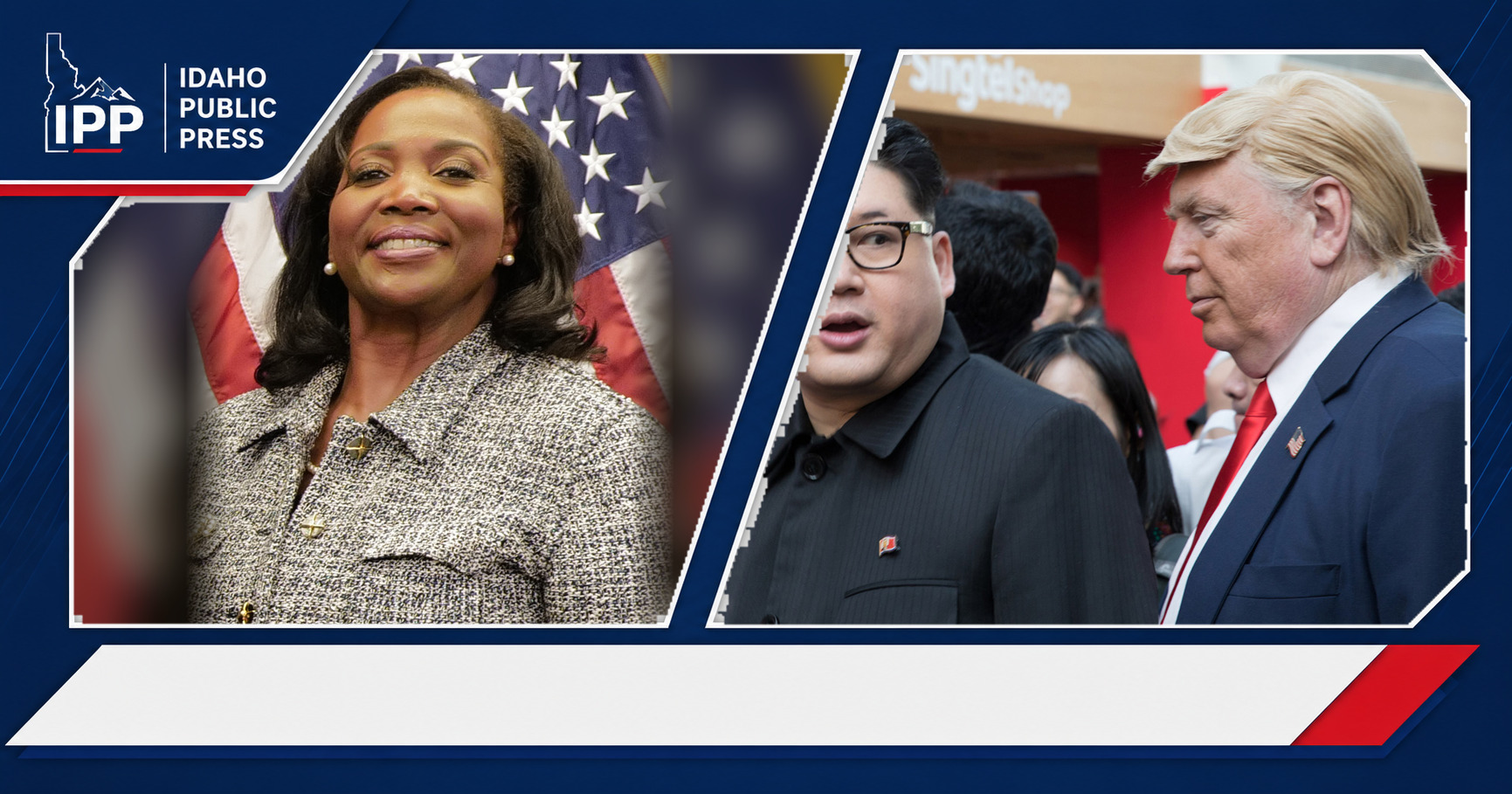
Lisa Cook remains on the Federal Reserve Board after the Supreme Court’s 5-4 decision, preserving a key protection for the central bank in the short term. The underlying fight over presidential power and Fed independence is still moving through the courts.
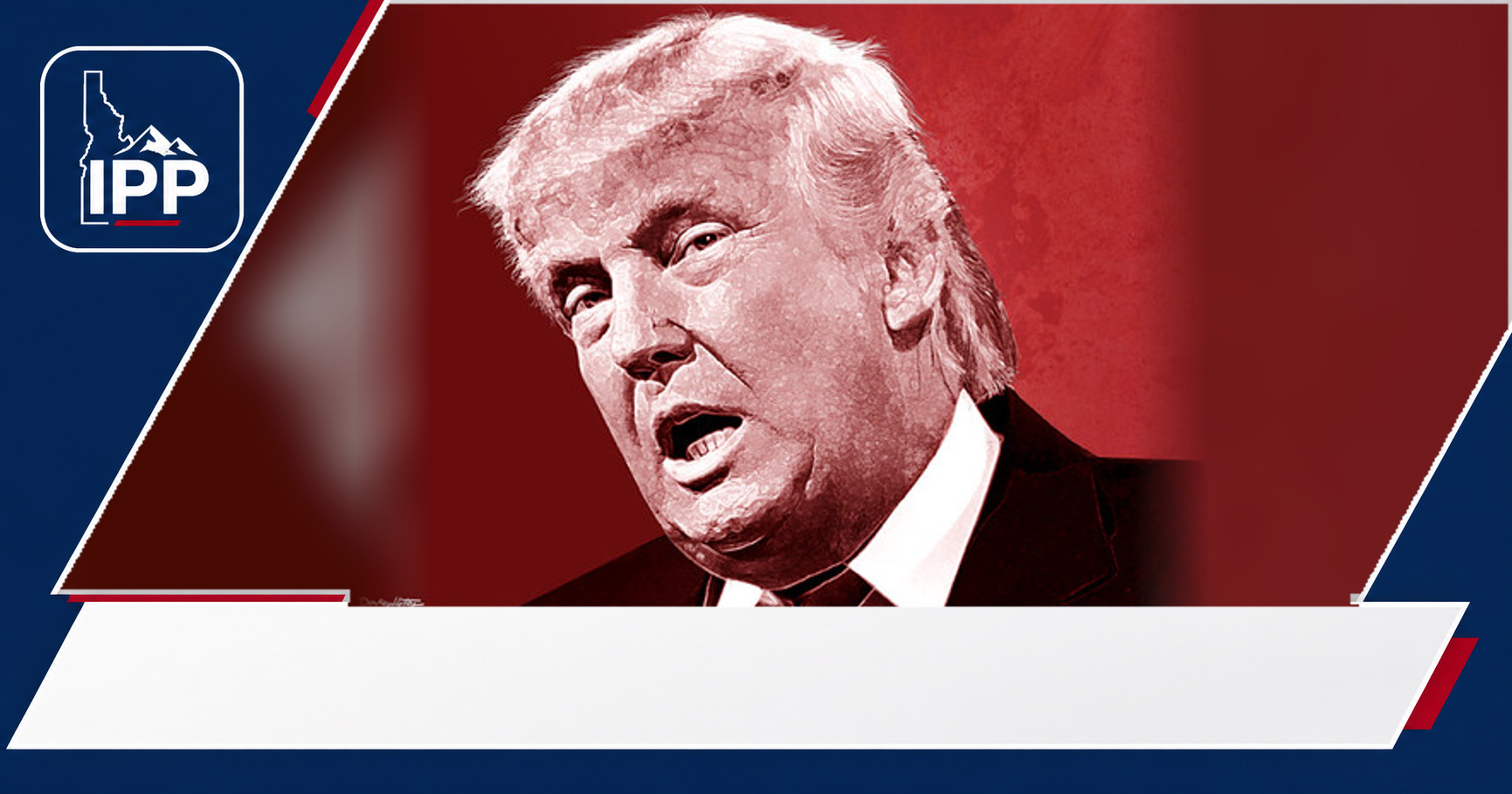
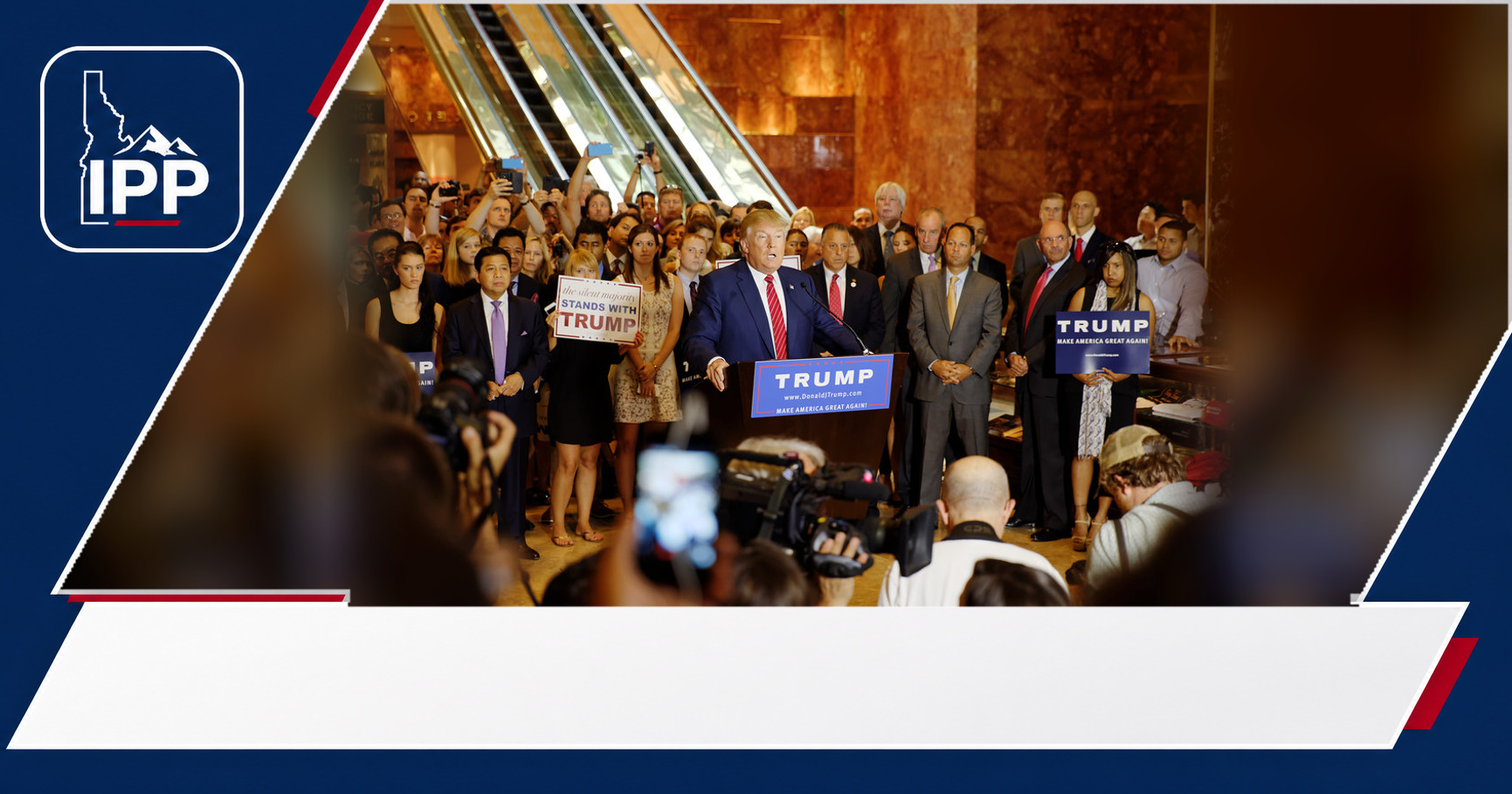
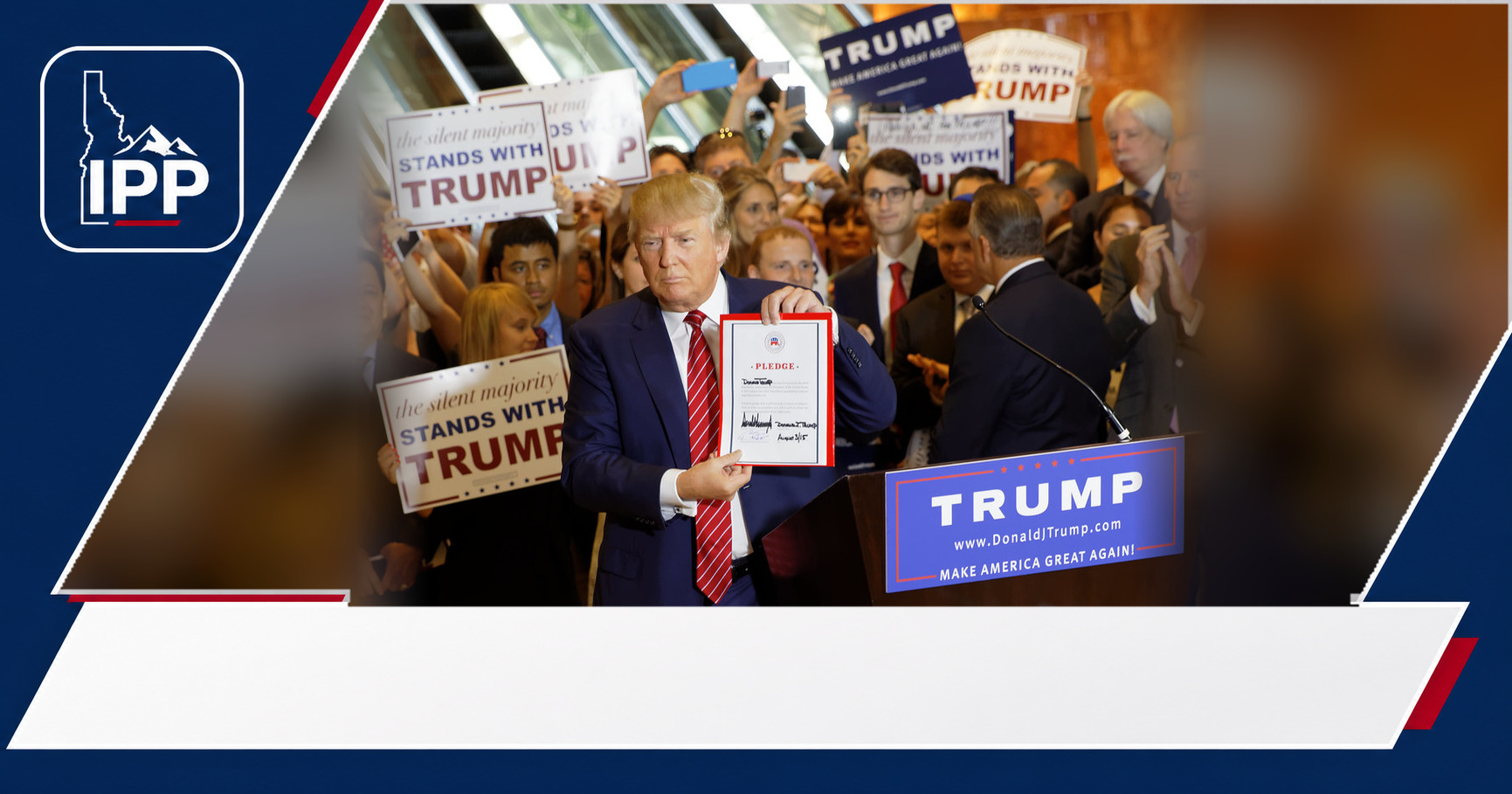
Donald Trump is moving forward with an attempt to fire Lisa Cook from the Federal Reserve Board, even after the U.S. Supreme Court blocked Cook’s removal for now in a 5-4 ruling on June 29, 2026. The decision means Cook can remain a Federal Reserve governor while her legal challenge proceeds, but it does not end Trump’s effort to remove her.
The dispute matters well beyond one seat on the Fed’s seven-member board. It tests whether a president can remove a Federal Reserve governor over alleged conduct before that official took office—and how much protection Congress can give the United States’ central bank from political pressure.
Cook stays at the Fed
The Supreme Court’s immediate order was narrow but consequential. Cook keeps her position while lower-court litigation over Trump’s attempted removal continues.
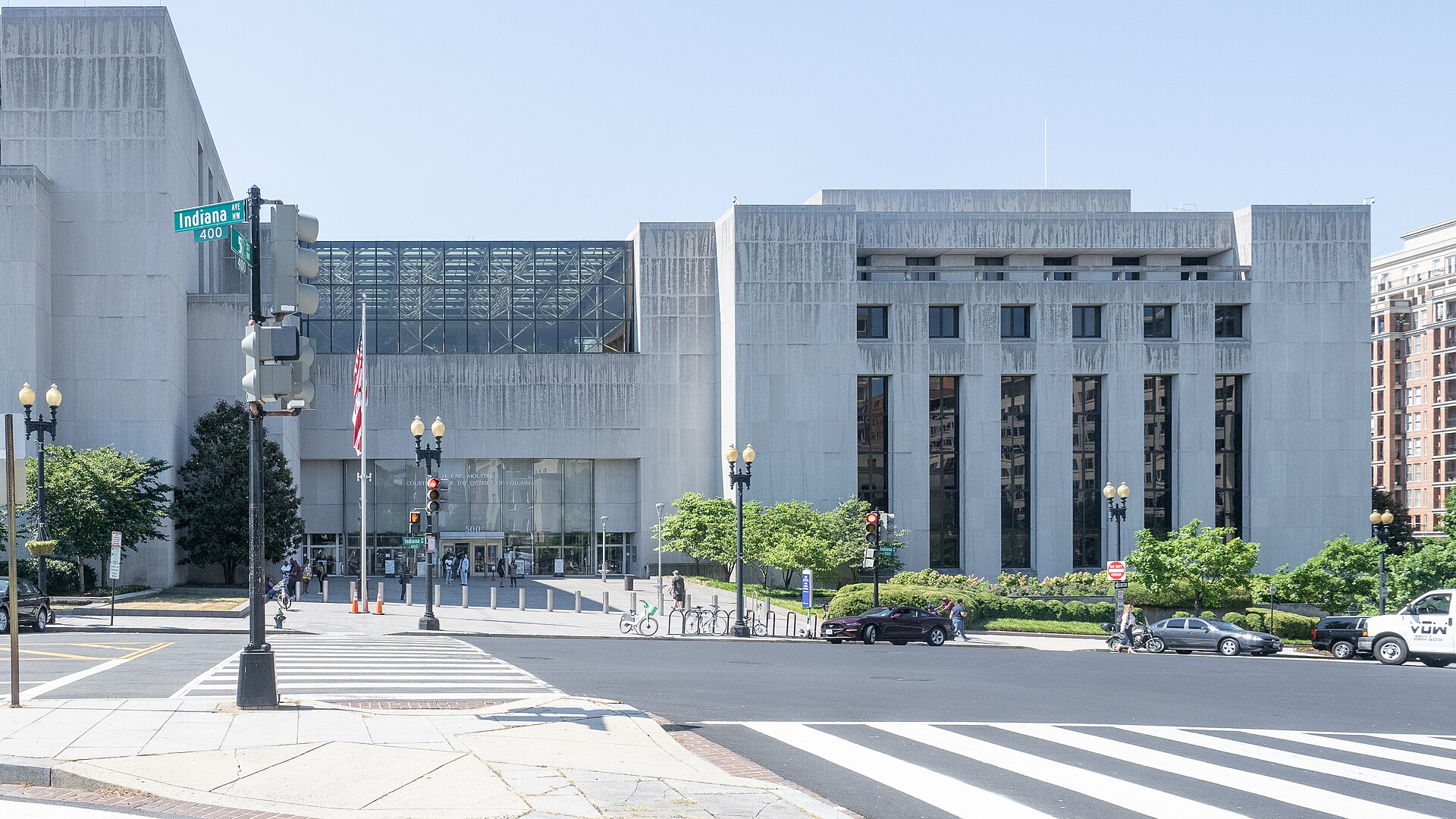
That is different from a final ruling that permanently settles whether Trump had legal authority to fire her. The justices were considering the administration’s request for temporary relief, and the majority concluded the government had not shown it was likely to prevail at this stage.
Chief Justice John Roberts wrote for the majority, joined by Justices Sonia Sotomayor, Elena Kagan, Brett Kavanaugh and Ketanji Brown Jackson.
The fight centers on “for cause”
Federal Reserve Board members are not ordinary executive-branch employees. They are presidentially appointed and Senate-confirmed, but federal law says they may be removed only for cause.
That language is central to Cook’s challenge. Congress designed the Fed’s structure to give its governors long, staggered 14-year terms and to limit the ability of a single president to quickly reshape the board.
Roberts said accepting the administration’s position could effectively turn the Fed’s for-cause safeguard into at-will employment. He described that result as inconsistent with the law Congress enacted and the country’s tradition of protecting central banking from political interference.
Trump’s lawyers have taken the opposing view: that the president retains removal authority and that the courts should not stand in the way. The disagreement is part of a broader constitutional argument over presidential control of independent agencies.
Mortgage allegations drove the dispute
Trump sought to remove Cook after alleging that she committed mortgage fraud in 2021, before she joined the Federal Reserve Board. Cook has denied the allegations, calling them unproven and politically convenient in light of Trump’s criticism of the Fed’s policy decisions.
Cook was nominated by then-President Joe Biden and joined the board in 2023. Her case reached federal court after Trump publicly released a letter stating that he was firing her.
U.S. District Judge Jia Cobb ruled in September 2025 that Cook was substantially likely to show Trump had violated federal law. Cobb reasoned that the for-cause standard did not permit removal for conduct that allegedly occurred before Cook took office.
The judge also found that Cook had a strong claim that she was denied constitutionally required due process because she did not receive notice and a meaningful opportunity to contest the removal before it took effect.
Why this case differs from others
The Trump administration has pursued greater control over several independent agencies. In earlier cases, the Supreme Court allowed Trump to remove officials from bodies including the Federal Trade Commission, National Labor Relations Board, Merit Systems Protection Board and Consumer Product Safety Commission while litigation continued.
The Cook dispute produced a different interim outcome. The majority treated the Federal Reserve’s distinct statutory protections and institutional role as important to the question before it.
That distinction has immediate practical significance. The Fed sets monetary policy, including benchmark interest rates that influence borrowing costs across the economy. It is funded outside the normal congressional appropriations process, another feature intended to give it operational independence.
Cook remained in office during the litigation and participated in a Federal Reserve policy meeting in September 2025, when the central bank reduced interest rates by a quarter of a percentage point.
A divided court signals bigger tensions
The 5-4 vote did not reflect a simple ideological split. Kavanaugh joined the chief justice and the court’s three liberal justices in allowing Cook to remain, while Justices Clarence Thomas, Samuel Alito, Neil Gorsuch and Amy Coney Barrett dissented in varying ways.
Thomas called the decision incorrect and argued that the court had upheld an injunction against a president’s removal of an executive officer in an unprecedented way. His dissent framed the dispute as a serious limit on the president’s constitutional authority to supervise executive officials.
The majority’s view emphasizes a competing concern: Congress deliberately gave Fed governors removal protections to prevent political interference with a body whose decisions affect inflation, employment and interest rates.
Neither argument resolves the broader policy debate. Supporters of stronger presidential control say voters should be able to hold an elected president accountable for executive-branch governance. Defenders of the Fed’s independence argue that insulating monetary policy from immediate political demands is essential to economic credibility.
The final answer is still pending
The Supreme Court’s ruling leaves Trump’s attempted removal of Cook alive as a legal dispute, rather than validating it or permanently blocking it. The lower-court case will continue unless the parties reach another resolution or the justices later issue a decision on the merits.
Key questions remain unsettled: whether alleged pre-office conduct can satisfy the Federal Reserve Act’s for-cause standard, what process a governor is entitled to before removal, and how far presidential power reaches over an institution Congress built to be independent.
For now, the clearest outcome is institutional as much as personal. Cook remains on the Federal Reserve Board, and the court has signaled that the Fed may not be treated exactly like other independent agencies while the legal challenge runs its course.




Leave a Reply