

The numbers point to a major enforcement shift: fewer splashy citywide sweeps, but a faster pace of arrests nationwide. The biggest questions now are where the arrests happened, who was targeted and how long ICE can sustain the pace.
The Trump administration’s immigration crackdown is driving a surge in ICE arrests across the United States, and U.S. Immigration and Customs Enforcement has recorded what a new report described as the biggest arrest month in agency history. The headline number behind the immigration push: ICE arrested 10,000 people in five days at the end of June, according to arrest figures reported by The Associated Press, as President Donald Trump’s administration pressed the Department of Homeland Security to carry out deportation goals.
The shift matters because ICE appears to be changing how it reaches those goals. Instead of relying mainly on highly visible enforcement sweeps in major cities, the agency has moved toward quieter operations that can produce large arrest totals with less public spectacle.
The record comes with caveats
The reported surge is striking, but the public record is incomplete. ICE does not routinely publish detailed arrest data in real time, which makes exact month-to-month and year-to-year comparisons difficult outside of leaks, internal figures and records obtained through litigation.
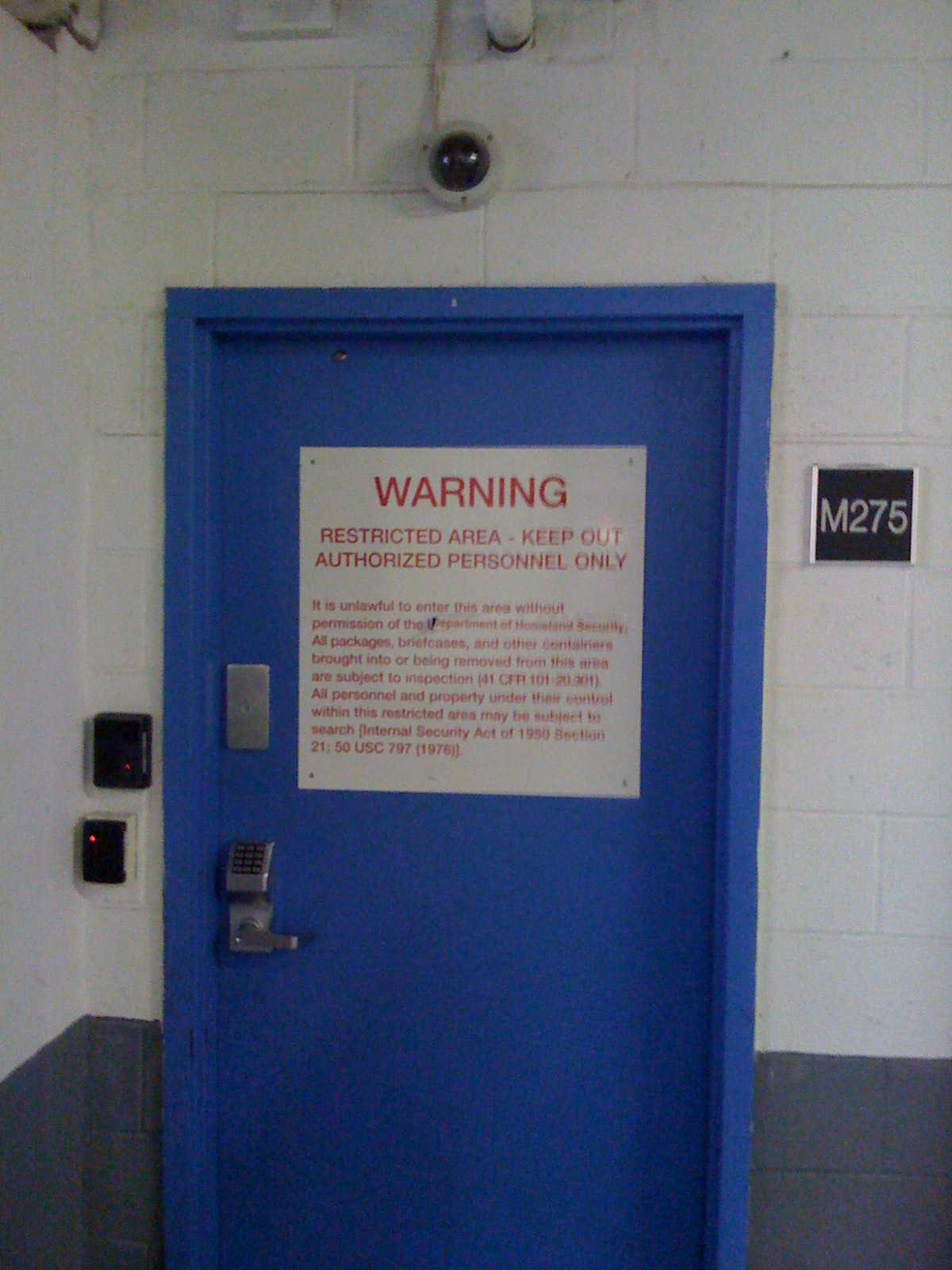
The AP reported that the 10,000 arrests over five days came from a person familiar with figures that had not been publicly released. That period translated to roughly 2,000 arrests per day. The outlet also noted it was not clear where the arrests had taken place.
That lack of location detail matters. A national total can obscure whether arrests were concentrated in particular states, worksites, courts, jails, neighborhoods or transportation hubs. It also leaves unanswered how many people arrested had serious criminal convictions, pending charges, prior removal orders or no criminal record beyond immigration violations.
Still, the pace described in the reported figures would represent a sharp escalation. AP’s analysis of data provided to UC Berkeley’s Deportation Data Project found that December had averaged 1,283 ICE arrests per day, the highest monthly average since the beginning of the Trump administration in that dataset. January averaged about 1,212 arrests per day, while February fell to 1,057.
A quieter enforcement model
The core change is tactical. The Trump administration’s immigration operation had earlier leaned into high-profile deployments in major cities, where heavily publicized sweeps drew intense media attention, protests and legal scrutiny.
According to AP, ICE shifted away from those splashier city-focused crackdowns toward less visible methods after a series of confrontations around enforcement operations. The result, if the newly reported figures hold, is an enforcement model that can generate higher arrest numbers without the same daily images of street clashes and mass deployments.
That does not mean the crackdown has softened. It suggests the opposite in raw numbers: arrests may be accelerating even as the federal government draws less attention to individual operations.
For the Trump administration, that is politically useful. Trump has made mass deportations central to his immigration agenda, and a quieter strategy may help DHS meet arrest targets while reducing the kind of public flashpoints that can dominate local news and fuel resistance.
What DHS says it is targeting
The Department of Homeland Security has framed the arrests as a fulfillment of Trump’s campaign and governing promises. In a statement cited by AP, DHS said law enforcement had been delivering on the president’s promise to arrest and deport people it described as criminal illegal aliens, including murderers, rapists, pedophiles, gang members and terrorists.
DHS also issued a broader warning: people who come to the country illegally will be found, arrested and deported.
That message is meant to serve two audiences at once. To Trump supporters, it signals follow-through on a hard-line immigration platform. To would-be migrants and people already in the country without legal status, it is intended as deterrence.
Critics of aggressive immigration enforcement often challenge how those categories are used. They argue that public statements emphasizing violent offenders can blur the reality of broader enforcement, where arrests may include people with old convictions, civil immigration violations, pending cases, family ties in the U.S. or long-term residence. Without more granular ICE data, it is difficult to evaluate how closely the public messaging matches the full arrest pool.
Detention capacity is part of the story
Arrests are only one piece of a deportation push. The government also needs detention beds, transportation, immigration court capacity, removal logistics and cooperation from receiving countries.
AP reported that the number of people entered into ICE detention facilities climbed in June to roughly 39,000 after hovering around 30,000 per month since February. That increase suggests the arrest surge is already putting more pressure on the detention system.
Higher detention numbers can ripple through the immigration system quickly. Attorneys may face more urgent bond hearings and removal cases. Families may have trouble locating detained relatives. Local communities can see new demand on nonprofit legal services, consular assistance and court support.
For ICE, the operational question is sustainability. A five-day burst of 10,000 arrests is one thing. Maintaining anything close to 2,000 arrests per day over weeks or months would require a much larger system behind the scenes.
Why the politics are volatile
Immigration enforcement is one of the clearest dividing lines in American politics. Supporters of Trump’s approach argue that the federal government has a duty to enforce immigration law, remove people who lack legal status and prioritize public safety.
They also contend that visible enforcement can deter illegal crossings and restore credibility to a system many voters view as overwhelmed. For those voters, a record ICE arrest month is evidence that the administration is doing what it promised.
Opponents see a different story. They warn that large-scale arrests can sweep up people who have lived in the United States for years, separate families, discourage crime victims and witnesses from contacting police, and strain due process in immigration courts.
There is also a public accountability issue. If ICE arrest data is not released consistently, the debate relies heavily on selective disclosures, leaks, lawsuits and political messaging. That makes it harder for the public to judge whether enforcement is targeted, indiscriminate, effective or lawful.
The unanswered questions now
The biggest unknown is the composition of the arrests. The headline figure says how many people were arrested, not who they were, where they were detained, what legal process they received or how many were ultimately deported.
Several details would clarify the scale and meaning of the surge:
- How many of the 10,000 arrests involved people with serious criminal convictions?
- How many were made through local jail transfers, workplace operations, home arrests or street encounters?
- Which states and cities saw the largest increases?
- How many people arrested had pending asylum, immigration court or family-based cases?
- How many were deported, released, transferred or still detained weeks later?
Those answers matter because arrest totals alone can reward speed over precision. A record month may be a political milestone for the Trump administration, but the long-term impact depends on whether the enforcement push leads to removals, legal challenges, detention overcrowding or a durable change in immigration patterns.
For now, the clearest takeaway is that the Trump administration has found a less conspicuous way to increase ICE arrests. The crackdown may be quieter than earlier city sweeps, but the numbers suggest it is not slowing down.










Leave a Reply