
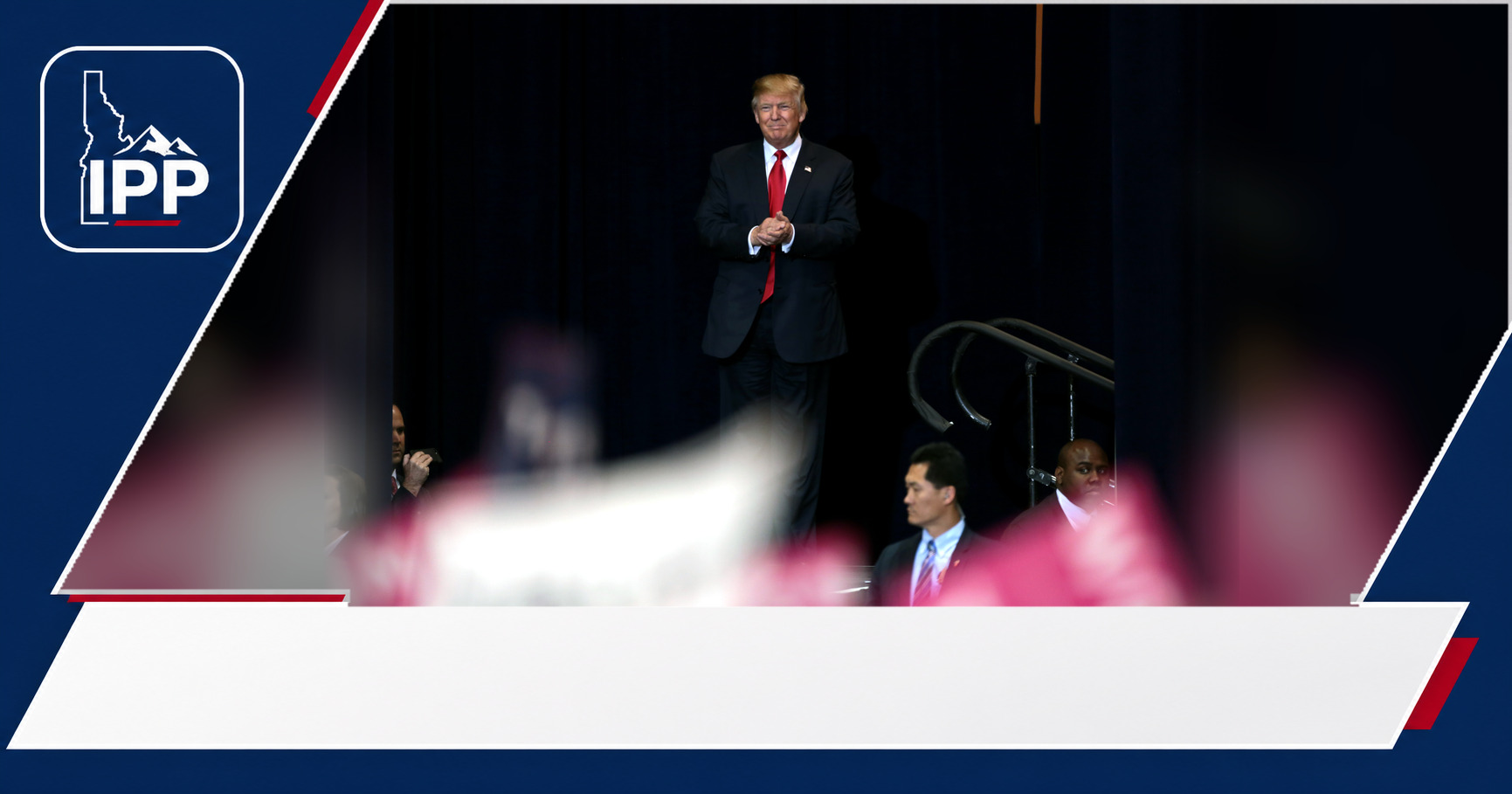
The latest flare-up is rooted in years-old reporting, Trump’s repeated denials and a later public rebuke from his former chief of staff. It shows why military service remains one of the most sensitive fault lines around his political image.
Donald Trump is accused of disrespect toward fallen soldiers after a Dagens.com US item circulating on MSN framed the criticism bluntly: “No awareness. No respect.” The article explains the criticism behind that accusation: Trump has long faced allegations that he privately disparaged U.S. service members and war dead, including reports that he called fallen soldiers “losers” and “suckers,” allegations he has denied.
The charged wording — “Trump shows ultimate” disrespect — matters now because the dispute is not just about one line in one headline. It reaches back to a larger record of reporting, denials and corroboration involving Trump, former White House chief of staff John Kelly, and claims about how a commander in chief spoke about fallen soldiers.
The allegation behind the outrage
The core controversy dates to reporting during Trump’s presidency about a 2018 trip to France for commemorations tied to the end of World War I. The most inflammatory allegation was that Trump privately referred to U.S. war dead in disparaging terms, including “losers” and “suckers.”
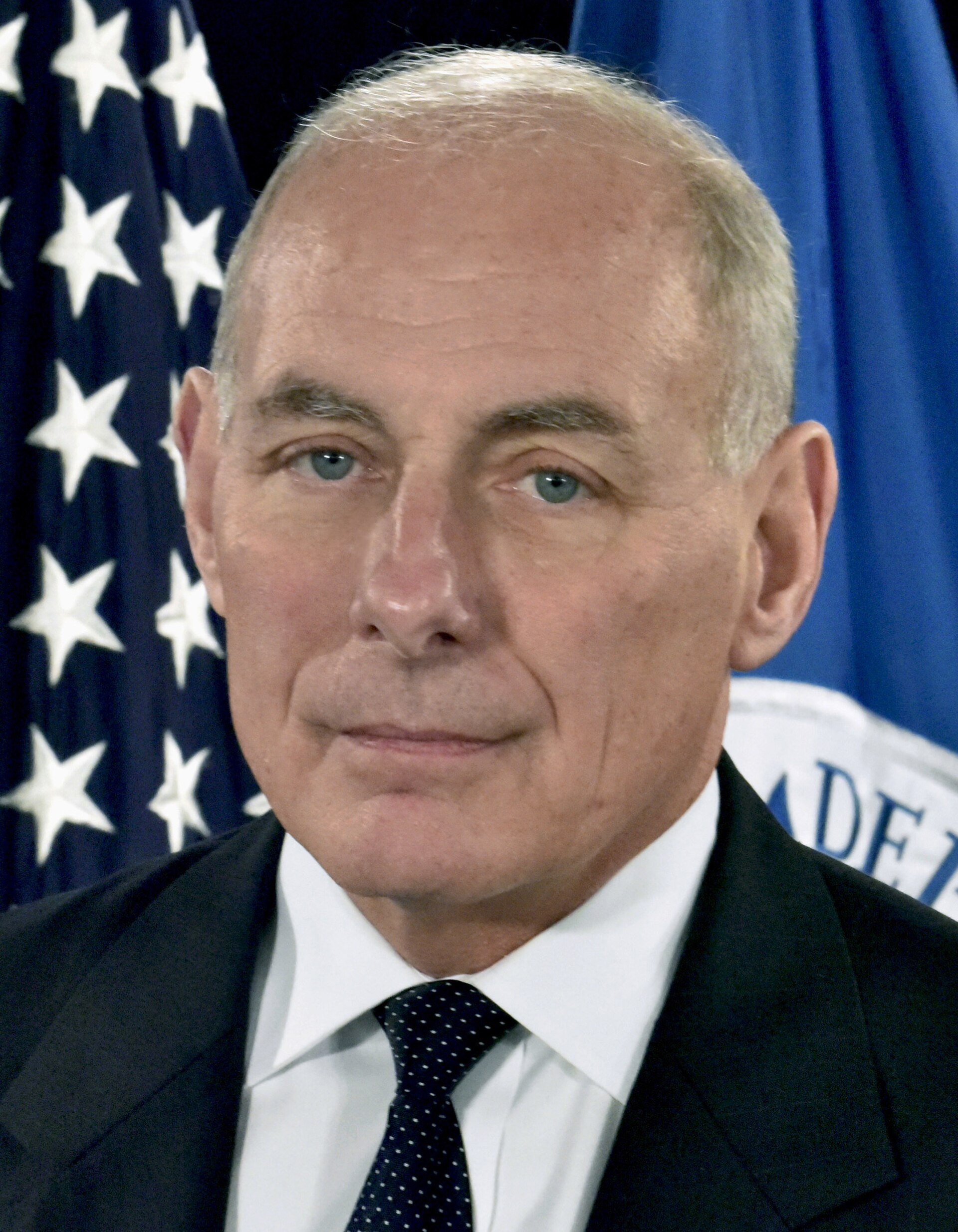
BBC reported in 2020 that Trump was facing backlash over those claims and that he pushed back hard, calling the reporting “fake news.” Reuters also reported Trump’s denial, quoting him saying it was unthinkable that he would make negative statements about the military and “fallen heroes.”
That denial has been central to Trump’s defense ever since. His position has been that the allegations are false and politically motivated, and that his record on military funding and pay raises shows respect for service members.
John Kelly changed the weight
The story did not remain only a clash between anonymous reporting and Trump’s denial. In 2023, NBC News reported that John Kelly, Trump’s former White House chief of staff and a retired Marine general, publicly confirmed that Trump had privately disparaged U.S. service members and veterans.
Kelly’s statement, originally given to CNN and described by NBC News, was sweeping. He criticized “a person” who thinks those who defend the country, are wounded in combat or spend years as prisoners of war are “suckers” because “there is nothing in it for them.”
Kelly also said Trump “rants” that America’s “most precious heroes” who gave their lives in the nation’s defense are “losers” and would not visit their graves in France. That is the context that gives the viral phrase “No awareness. No respect” its force.
Trump and allies deny it
Trump’s side has consistently rejected the claims. According to BBC’s 2020 account, Trump said, “To think that I would make statements negative to our military and our fallen heroes” was a disgraceful suggestion, and he attacked the magazine that first reported the allegations.
People around Trump also disputed the story at the time. BBC reported that Secretary of State Mike Pompeo said he was with Trump for a significant part of the France trip and never heard him use the words described. Defense Secretary Mark Esper was quoted as saying Trump had “the highest respect and admiration” for military members, veterans and families, though that statement did not directly deny every specific allegation.
Other Trump allies, including Mick Mulvaney and Sarah Huckabee Sanders, also rejected the reporting as false, according to BBC. Their defense matters because the most serious claims involve private conversations that were not captured on video or released in official transcripts.
Why the criticism lands hard
Accusations involving fallen soldiers carry a different political charge than ordinary campaign insults. U.S. presidents serve as commander in chief, and public rituals around military sacrifice — cemeteries, memorials, Gold Star families, wounded veterans — are treated as part of the office’s moral vocabulary.
That is why even disputed remarks can become politically durable. For Trump’s critics, Kelly’s confirmation fits a broader pattern they see in his public feuds with military figures and families. For Trump’s defenders, the allegations are another example of hostile media and former officials trying to damage him.
The dispute also highlights a tension around Trump’s style. His supporters often view blunt, norm-breaking language as a strength. But critics argue that the same approach becomes something else when the subject is service members who died in uniform.
What remains unclear
The public record is mixed in important ways. There are serious allegations, a high-profile confirmation from Kelly and years of reporting by major news organizations. There are also categorical denials from Trump and rebuttals from people who served in his administration.
What has not emerged, at least from the reporting summarized by BBC, Reuters and NBC News, is a public recording that captures Trump saying the most disputed phrases in the specific settings described. That does not make the claims false. It does mean the story rests heavily on reported accounts, named corroboration and the credibility readers assign to the people involved.
The current wave of criticism is best understood through that lens. “No awareness. No respect” is a judgment, not a new piece of evidence by itself. The evidence cited in the broader controversy is the earlier reporting, Trump’s denials and Kelly’s later decision to publicly back the central claims.
The takeaway for readers
The fallen-soldiers controversy keeps resurfacing because it cuts to a basic question about presidential character: how a leader talks about sacrifice when cameras are off. That question is emotional, but the facts around it require careful attribution.
Trump denies disparaging fallen soldiers. Kelly says he did. Major outlets have documented the dispute and the competing accounts. The latest outrage is not a fresh standalone event so much as a renewed fight over an allegation that has never stopped shaping how many Americans judge Trump’s relationship with the military.


Leave a Reply