
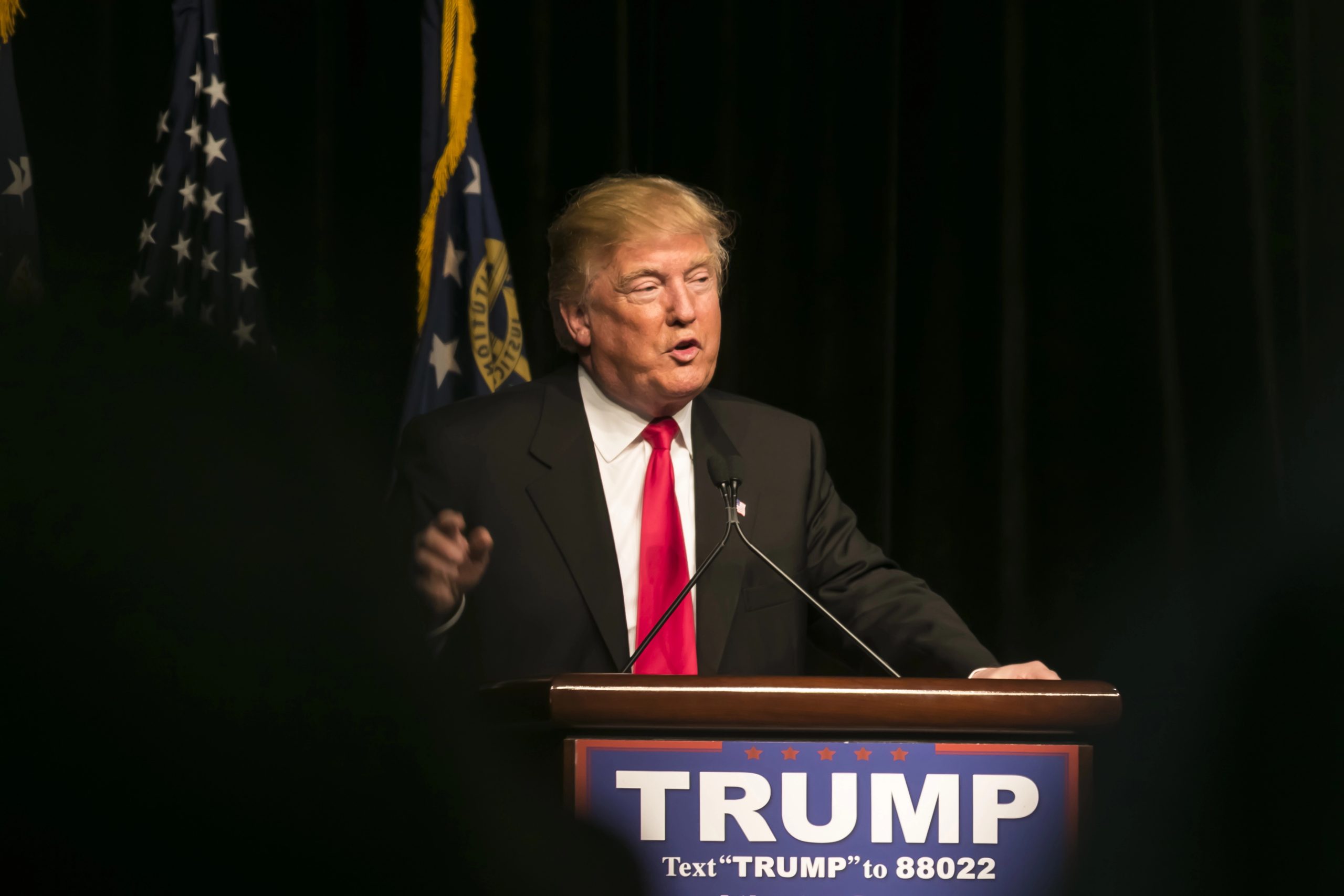
The viral focus is Trump’s reaction. The bigger story is why Epstein-related questions keep returning to public view.
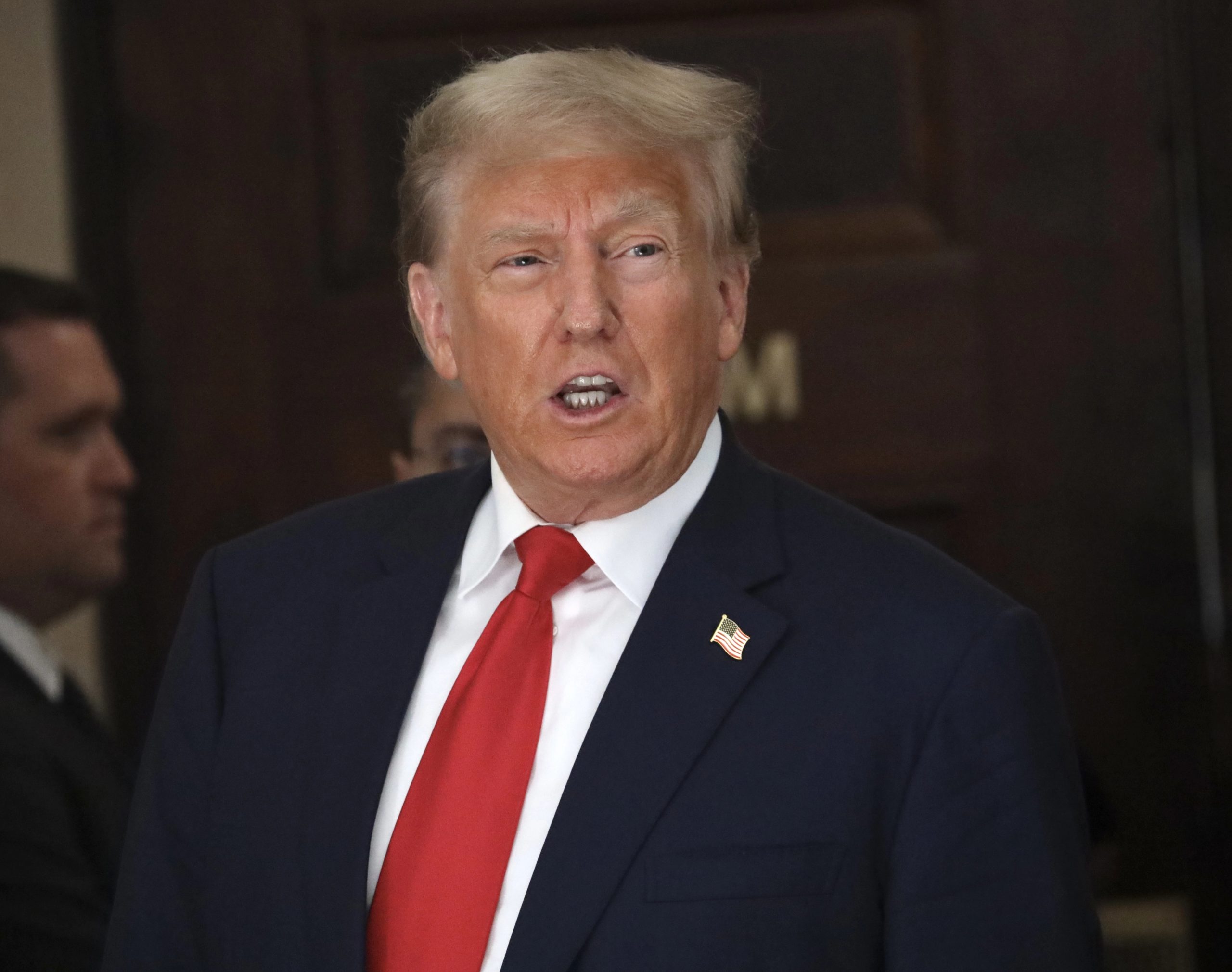
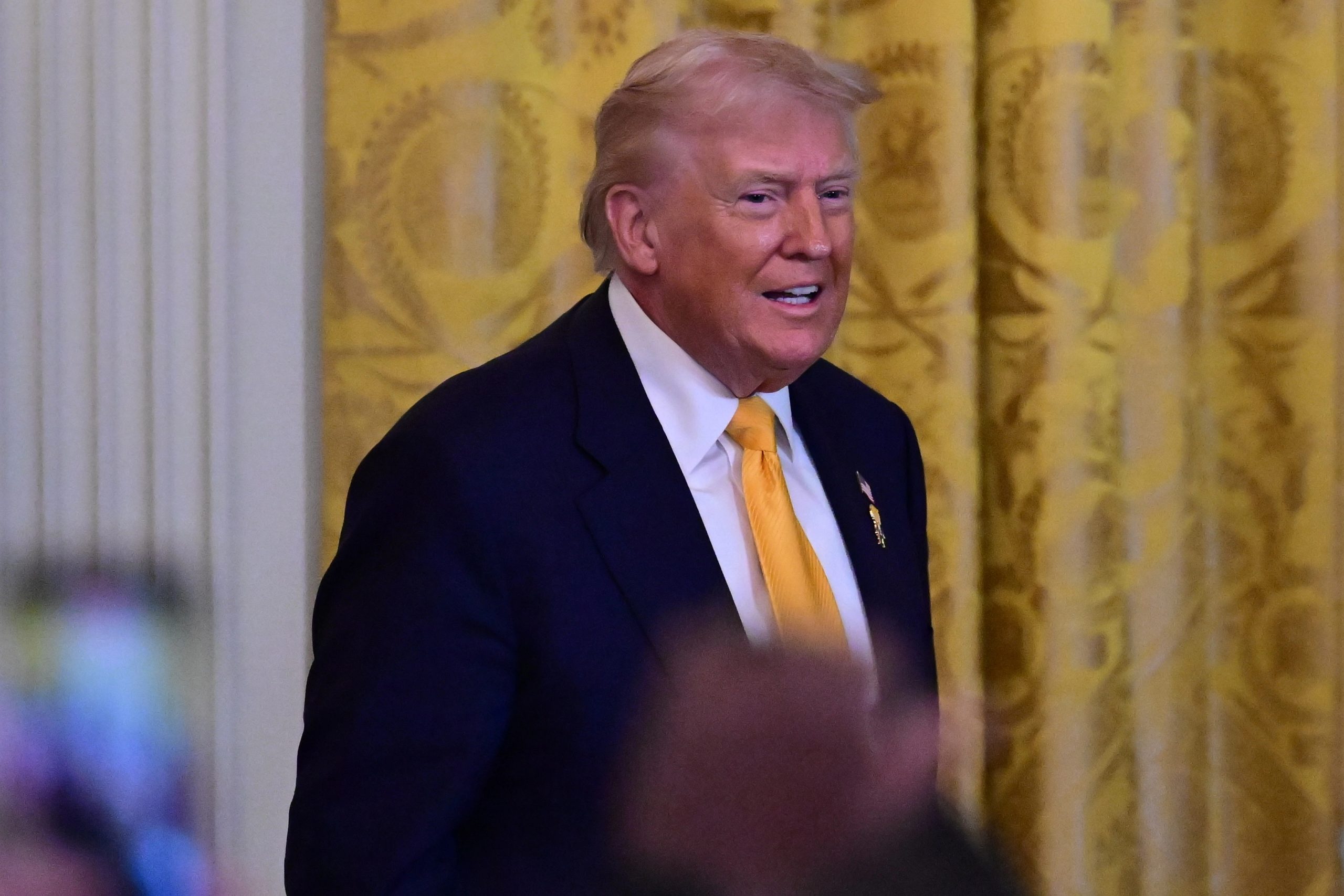
Donald Trump was publicly confronted about Jeffrey Epstein during a live stage appearance, and Trump’s reaction to the criticism — the kind of moment now being shared as Trump’s awkward smirk and framed by one viral headline as Humiliated Trump’s awkward response — is getting attention because the Epstein question is not going away. The exchange put Trump on the spot in public, but the larger issue is his shifting account of what ended his relationship with Epstein and the continuing pressure to release related files.
That distinction matters. A stage reaction can become a meme in minutes, but Epstein-related scrutiny is driven by documents, timelines and unanswered questions — not just a facial expression.
A viral moment, limited transcript
The reported stage exchange centered on Trump being challenged in public over Jeffrey Epstein, with attention quickly shifting to how Trump appeared to react while on stage. The available extracted source material does not provide a full transcript of the exchange, the venue, or the complete remarks around it.
That leaves some caution around the clip itself. It is fair to say Trump was put on the spot over Epstein and that the reaction drew notice; it is not fair to fill in missing words or motives without a complete record.
Still, the moment landed because it did not appear in a vacuum. Trump’s past association with Epstein, his public explanations of their falling-out, and the push for more Epstein files have all become live political issues again.
Why Epstein questions persist
PBS NewsHour recently examined how Trump’s answers about his break with Epstein have evolved. In that segment, anchor Amna Nawaz spoke with Julie Brown, the Miami Herald investigative reporter whose 2017 and 2018 reporting helped lead to sex trafficking charges against Epstein and identified nearly 80 victims.
Brown’s central point was not that every mention of Trump in Epstein-related material proves wrongdoing. In fact, the PBS segment noted an important caveat: the appearance of anyone’s name in files does not indicate wrongdoing.
The reason the questions continue is more specific. Trump and Epstein knew each other, and photos and videos have long shown them together. Trump has also given different public explanations over time for why the relationship ended.
That creates a credibility problem for Trump even when no new allegation is established. In politics, shifting explanations can keep a story alive almost as effectively as new evidence.
Trump’s account has shifted
In the PBS discussion, Nawaz noted that one earlier explanation for the Trump-Epstein fallout involved a reported real estate dispute in 2004. Trump has also said Epstein was a creep and that he was kicked out of Mar-a-Lago.
More recently, according to the PBS transcript, Trump described a different issue while speaking on Air Force One. He said people were being taken from the spa and hired by Epstein, adding that when he heard about it, he told Epstein: we don’t want you taking our people.
Brown said that version raised new questions. She focused on Trump’s wording — especially the idea of people, plural — and questioned what Trump understood at the time about Epstein’s conduct and about any women or girls being recruited from Mar-a-Lago’s spa environment.
The timeline is also unresolved. The PBS segment referenced the spa-related incident in 2000, the reported real estate fight in 2004, and Epstein reportedly being banned from Mar-a-Lago in 2007. Brown said the public still cannot say for sure what caused the break between the two men.
The files fight is broader
The live-stage criticism connects to a larger demand: release more Epstein-related files. PBS noted that prominent MAGA voices and Democrats have both called for more disclosure, an unusual overlap in a political environment where almost nothing is bipartisan for long.
Nawaz also said Attorney General Pam Bondi reportedly briefed Trump that his name appeared in the files earlier this year. Again, that detail carries the same caveat: a name appearing in records does not, by itself, show criminal conduct or participation in Epstein’s crimes.
Brown said some Trump-related material is already public. She cited examples including Trump appearing on Epstein plane manifests, Trump’s name appearing on message pads found in Epstein’s Palm Beach home at the time of an earlier investigation, and Trump appearing in Epstein’s so-called little black book.
Her argument was that if those already-public items are the main concern, they would not obviously justify withholding broader material. The unanswered question is whether unreleased records contain anything meaningfully different, or whether the politics of disclosure are now driving the standoff.
Maxwell remains a wild card
Ghislaine Maxwell’s role is another reason the Epstein story keeps resurfacing. The PBS segment noted that Deputy U.S. Attorney General Todd Blanche spent time in Florida questioning Maxwell, who is imprisoned, and that Congress had subpoenaed her to testify.
Brown said Maxwell could know a great deal because she helped build Epstein’s trafficking operation. She described Maxwell as central to recruitment, including around Palm Beach schools, gyms and spas, based on evidence and testimony from prior proceedings.
That does not mean Maxwell’s future statements would automatically be trusted or complete. She has her own legal history, incentives and credibility issues. But her proximity to Epstein’s operation is why investigators, lawmakers and the public continue to focus on what she may know.
For Trump, that means Epstein questions can keep returning even when he is not the subject of a new charge. The issue is fed by records, witnesses, inconsistent timelines and political pressure from both allies and opponents.
What the smirk does not answer
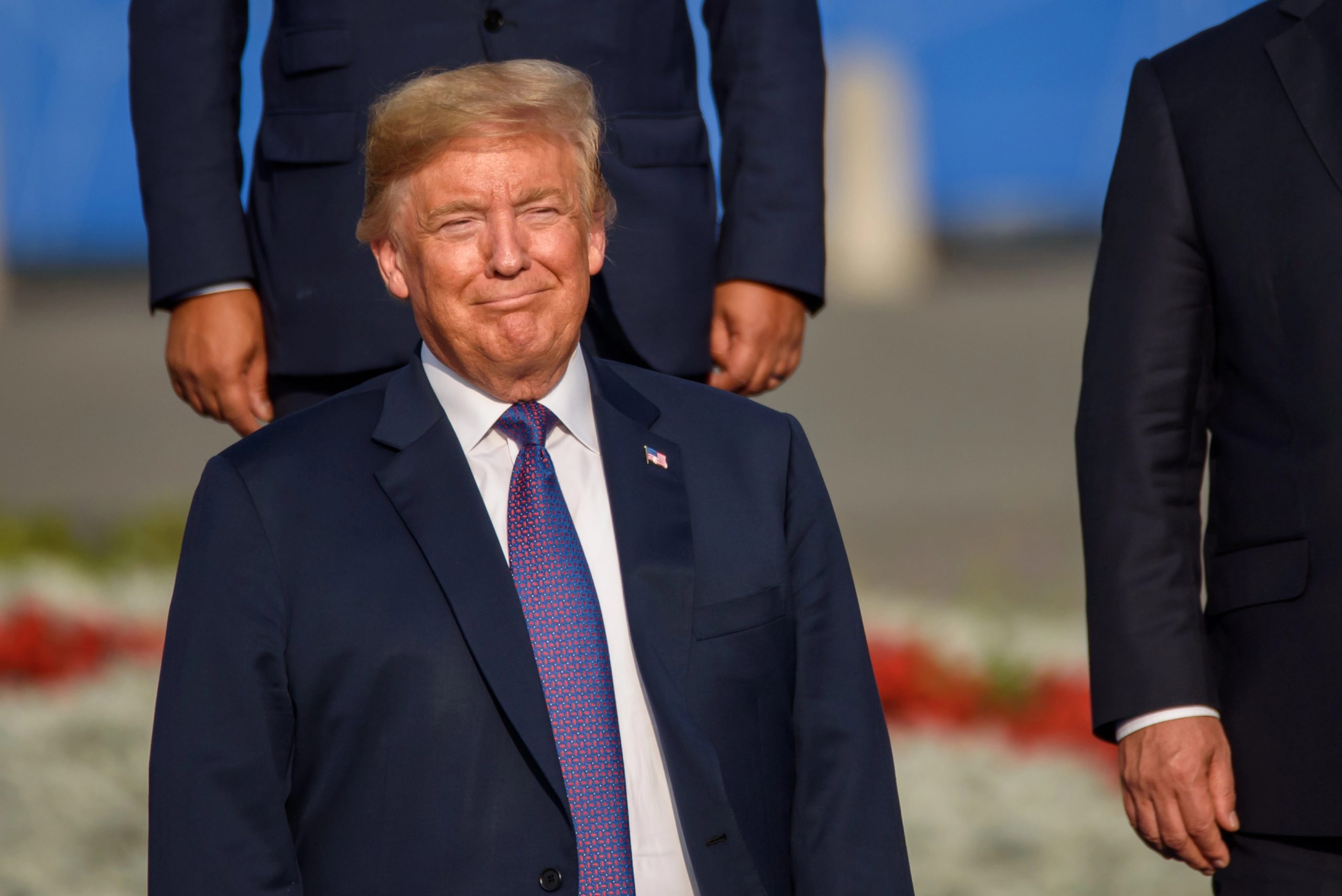
The stage moment is easy to package: Trump confronted, Trump smirking, crowd reacting, critics circulating the clip. But the public record is more complicated than the image.
What is established from the available sourcing is that Trump knew Epstein, that Trump has offered multiple explanations for their falling-out, and that journalists and political figures continue to press for more Epstein-related files. What is not established here is any new proof of wrongdoing by Trump.
The unanswered questions are still significant. Why did Trump’s explanation change? What exactly did he know about Epstein recruiting people connected to Mar-a-Lago? What is in the unreleased material, and why has disclosure become so politically difficult?
That is why the live-stage confrontation is more than a viral awkward moment. The smirk may be what people share, but the pressure comes from a story that has not been fully resolved.




Leave a Reply