
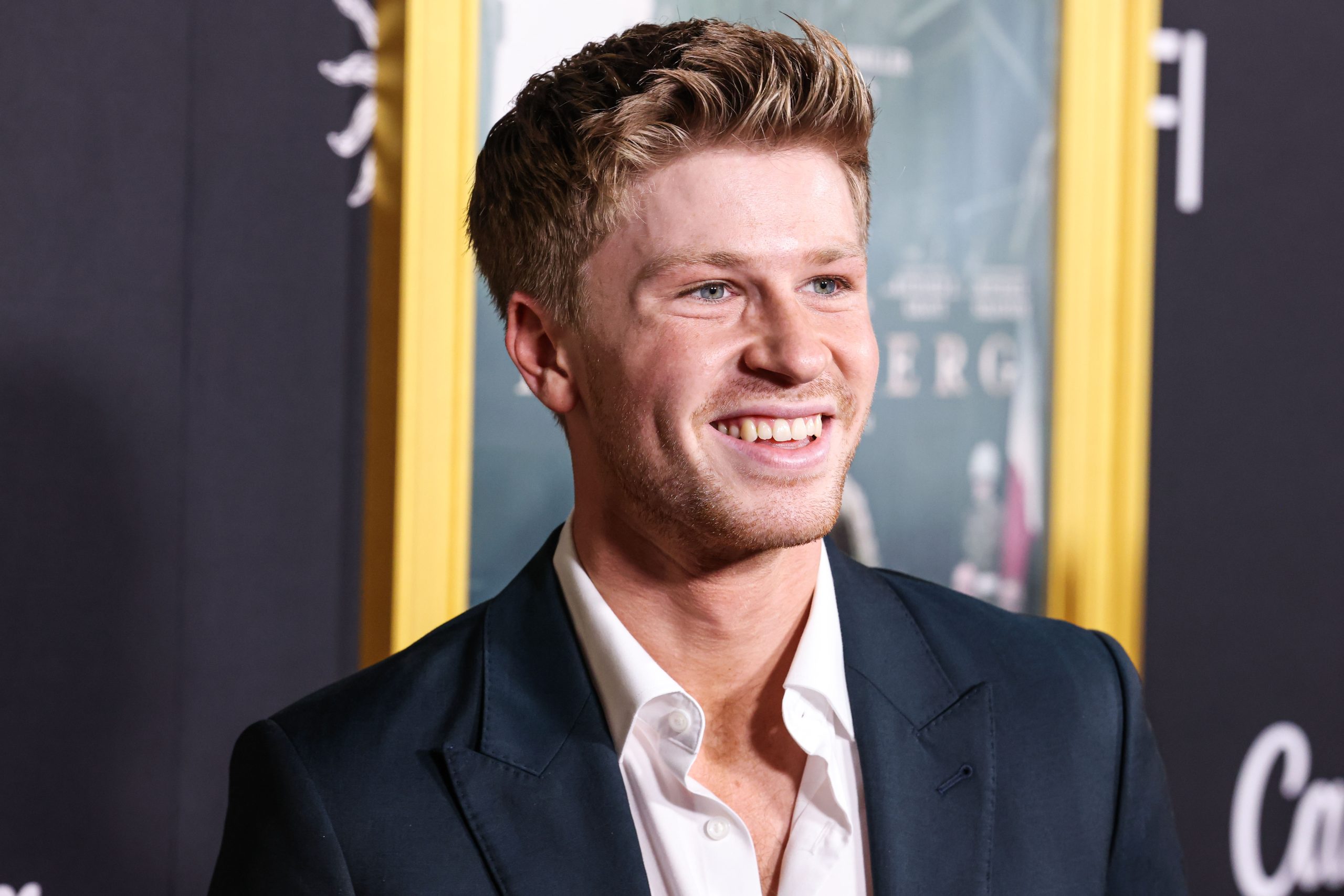
A tense enclosure moment became a proxy fight over wildlife television, zoo ethics and the Irwin family’s public legacy. Here’s what aired, why some viewers objected and how defenders responded.
Robert Irwin faced online backlash after a crocodile clip aired on national television during a segment on Today, where he and Terri Irwin promoted Australia Zoo and Crikey! It’s the Irwins. The footage showed Robert inside an enclosure with Casper, a crocodile that charged, prompting him to shout, “Bail, bail, bail!” as keepers moved in.
Some viewers called for him to be canceled, while others defended him, arguing the dramatic moment showed why safety training matters. The split reaction has turned a short TV clip into a larger argument about wildlife entertainment, zoo work and the Irwin family brand.
The clip that drove the backlash
The segment, reported by Newsner after it circulated through MSN, centered on a tense enclosure moment rather than a polished wildlife demonstration. Robert was shown close to Casper when the crocodile moved toward him with enough force that the planned interaction had to be stopped.
Robert’s shouted instruction — “Bail, bail, bail!” — became the line viewers repeated online. Keepers rushed in, and the encounter ended quickly, according to the report.
That speed is part of why the clip spread. It looked dangerous, it involved a famous conservation family, and it aired while Robert and Terri were promoting both Australia Zoo and the new season of Crikey! It’s the Irwins.
Why some viewers objected
The sharpest criticism was not just about whether Robert was personally in danger. Some viewers saw the footage as evidence that crocodiles and keepers were being placed in risky situations for television.
Newsner cited critics who questioned whether the moment was “for a show” and whether the practice should continue at all. Others broadened the complaint beyond Robert, arguing that wild animals should not be kept in zoos.
That is where the “canceled” language entered the conversation. It was less a formal campaign than a burst of online outrage, aimed at stopping or shaming the kind of crocodile handling that has long been part of the Irwin family’s public image.
The criticism also landed because the Irwins are not anonymous animal handlers. Their work is a public-facing mix of conservation messaging, TV storytelling and live zoo presentation, which makes every dramatic animal moment easier to scrutinize.
Irwin framed it as training
Robert responded on Instagram by downplaying the idea that the moment was reckless. According to Newsner’s account, he described the incident as an example of why safety training is essential around powerful animals.
“Safety for us is also crucial and you definitely have to know when to call it,” he wrote, adding that with “such a powerful and quick croc like Casper,” the team “had no choice but to bail.”
That response matters because it reframes the footage. Instead of presenting the charge as a stunt gone wrong, Robert presented it as a controlled retreat — exactly the kind of decision experienced handlers are trained to make.
Still, the clip leaves room for viewers to disagree. A safety call can be both correct in the moment and unsettling to watch, especially for people who already dislike close-contact wildlife demonstrations.
Defenders pointed to experience
Robert’s supporters pushed back hard against the backlash. Some argued that viewers were reacting to a few seconds of footage without understanding the preparation behind crocodile work at Australia Zoo.
One defense cited in the report was that Casper had gone through similar routines many times without issue. Supporters also pointed to the Irwin family’s conservation record, arguing that the family’s public profile has helped keep attention on wildlife protection.
That argument is familiar around the Irwins. Fans tend to see the family’s TV work as education with risk attached; critics see the same images and worry that education is being blended too closely with spectacle.
Robert’s personal history intensifies both reactions. He was 2 when his father, Steve Irwin, died, and he has spent much of his public life carrying forward the family’s Australia Zoo work. For admirers, that makes criticism feel unfair. For skeptics, it makes the brand even more powerful and therefore more deserving of scrutiny.
The zoo-TV tension is the story
The reason this clip traveled is not just that a crocodile charged. Wildlife television has always sold proximity: the closer the human gets to the animal, the more compelling the image becomes.
That creates a tension for modern audiences. Many viewers still love seeing skilled handlers explain animal behavior up close. Others are increasingly uncomfortable with footage that turns danger into content, especially when the animal cannot opt out of the setup.
The Irwin family sits directly in that tension. Australia Zoo’s public identity is built around conservation and hands-on animal education, but the same hands-on approach can look alarming when a moment goes sideways on screen.
That does not make every crocodile demonstration irresponsible. It does mean that televised animal encounters now face a different audience than the one that made Steve Irwin a global star. Viewers are quicker to ask who benefits, who is at risk and whether the footage teaches more than it thrills.
What remains unclear
The available reports do not indicate that Robert was injured, that Casper was harmed or that Australia Zoo announced any change to its crocodile practices after the clip. The controversy is currently about perception, not a reported injury or official sanction.
It is also unclear how much of the reaction came from regular viewers of the Irwins’ work versus people encountering the clip out of context online. Short clips can flatten a planned safety protocol into a viral scare.
The fair takeaway is narrower than the loudest posts suggest. Robert Irwin did face backlash after the Today crocodile footage aired, and some viewers called for him to be canceled. He and his defenders say the moment showed training and judgment under pressure.
Whether that satisfies critics is another question. The clip has become another test of how much risk audiences will accept when conservation, celebrity and television are all sharing the same enclosure.


Leave a Reply