
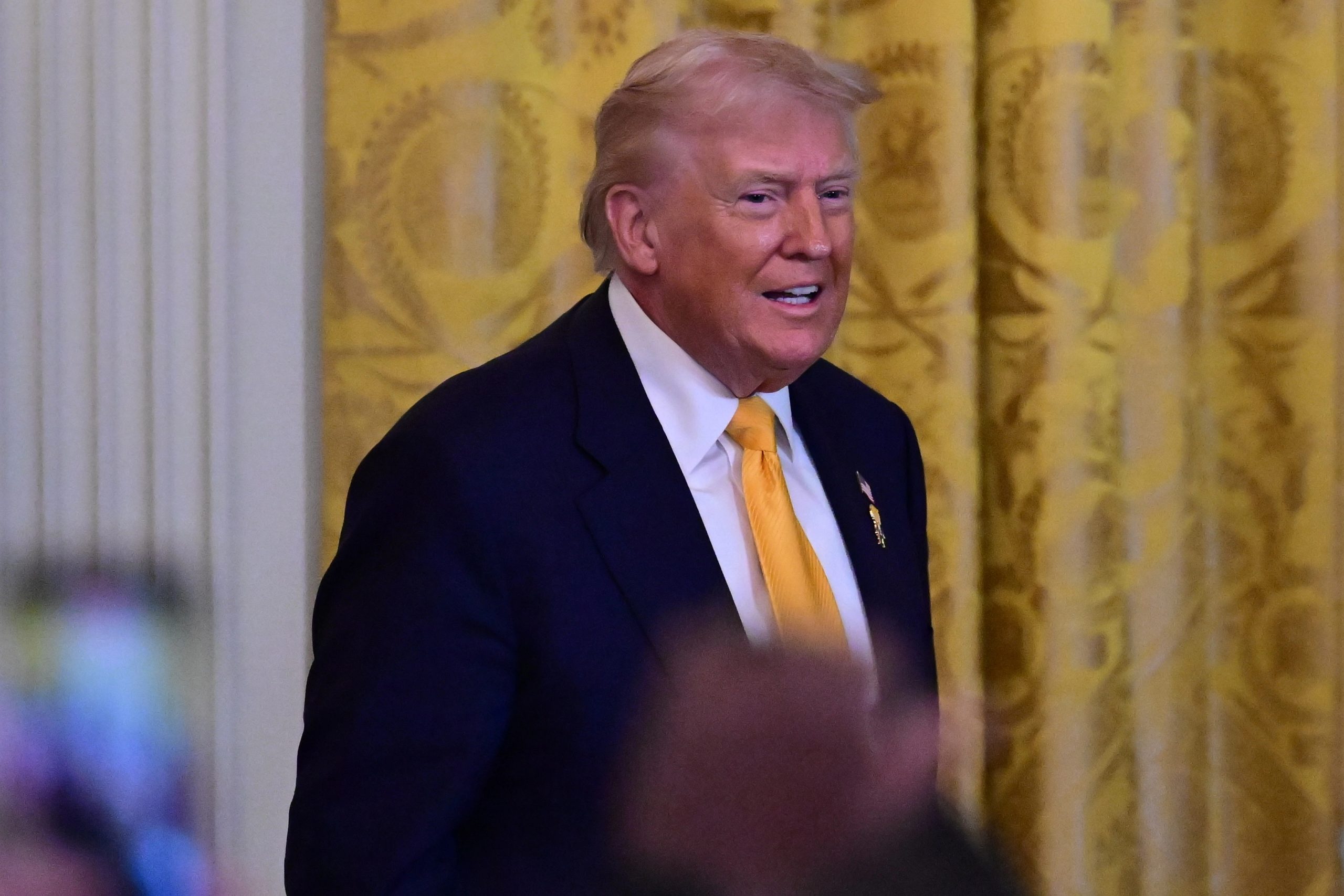
The rally line was meant to underline a complaint about prescription drug prices. Instead, the reaction turned on Trump’s wording, his delivery and the familiar risk of campaign-trail insult humor.
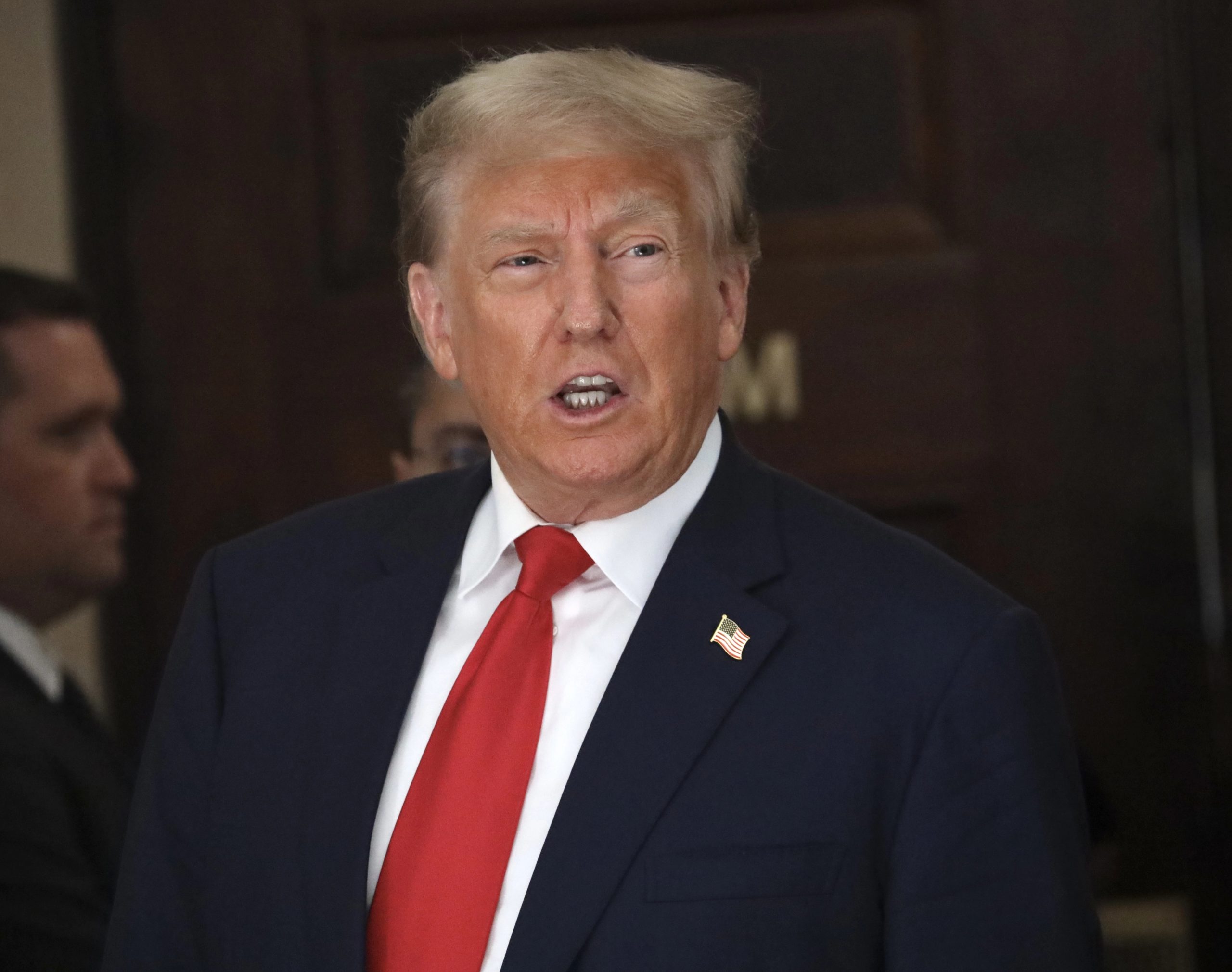
Donald Trump made a remark about a “fat friend” at a campaign rally in Georgia on July 22, and the backlash quickly moved from drug prices to Trump himself. After the address aired live on Fox News, some Fox News viewers suggested he was referring to himself, turning a story meant to attack high weight-loss medication costs into a round of online mockery.
That is why the phrase “Donald Trump torched” spread around the clip: Trump torched for a “fat friend” rant was less about one line than about how a campaign message can collapse when the messenger becomes the story.
The joke overtook the pitch
According to a Daily Express US report published July 24, Trump was speaking in Georgia when he shifted from his broader economic argument into a story about weight-loss medication. The rally remarks were carried live on Fox News, giving the moment immediate exposure to a friendly audience and then to social media users who clipped and criticized it.
Trump’s point, as he presented it, was that the same or similar medication can cost far more in the United States than abroad. He claimed a drug cost $1,400 in New York and $87 in London, using the anecdote to argue that the American system leaves consumers paying too much.
But the framing landed differently. Rather than focusing only on drug pricing, critics focused on Trump’s description of the unnamed friend: “fat,” “highly neurotic,” “always eating,” and good at making deals. The line drew laughter in the room, but online it became ammunition.
The sharpest reaction came from viewers who said the portrait sounded less like an anonymous acquaintance and more like Trump talking about himself in the third person.
What Trump said in Georgia
In the version of the remarks reported by Daily Express US, Trump told the crowd: “The fat drug, it cost, think of it,” before comparing prices in New York and London. He then introduced the unnamed friend as a rich businessman who was upset about paying vastly more in the United States.
Trump described the friend as “a very smart guy” and “a great businessman,” but he also called him “fat” and “highly neurotic.” He said the man “does two things, he eats and he makes deals,” adding that the friend was better at dealmaking than eating, except in “quantity.”
The anecdote then became a familiar Trump-style dialogue. The friend, Trump said, told him he paid $1,400 in New York and $87 in London for the same “fat drug.” Trump said he replied by asking why the friend even knew the price if he was so wealthy.
Trump’s stated takeaway was that the price gap “awoke” something in him and made him think he had to act. The policy message was clear enough: prescription drug prices remain a potent political target. The problem was the way he wrapped it.
Why viewers heard Trump
The online reaction was not just about the word “fat,” although that was central. It was also about the character Trump sketched: wealthy, deal-obsessed, image-conscious, and accustomed to being called by a nickname before becoming president.
That combination made the story easy for critics to turn around. The Daily Express US report cited Fox News viewers and X users asking whether Trump was “talking about himself,” with one saying he appeared to be “referring to himself in the 3rd person.” Another mocked the imaginary reveal by joking that the friend’s name was Donald J. Trump.
Those reactions should be read as a snapshot of online response, not a scientific measure of Fox News’ broader audience. Social media clips tend to elevate the most cutting replies, and Trump’s supporters have often brushed off his language as comic exaggeration, blunt storytelling or part of his appeal.
Still, the mockery shows a recurring vulnerability for Trump. His anecdotes are designed to sound spontaneous and vivid. When they work, supporters hear them as proof he speaks like an outsider. When they misfire, opponents hear meanness, projection or indiscipline.
The drug-price issue got buried
There is a real issue underneath the spectacle. Weight-loss drugs and related medications have become a major pocketbook and health-care debate in the United States, where list prices can be far higher than prices negotiated or regulated in other countries.
Trump tried to frame the disparity as an example of a broken system. The comparison he used — $1,400 in New York versus $87 in London — was dramatic, and the kind of number that can stick with voters worried about medical costs.
Yet the price argument competed with the insult. Once the clip circulated, the conversation centered less on pharmaceutical pricing and more on whether Trump had body-shamed someone, invented a convenient friend, or accidentally described himself.
That is the risk of insult-driven politics in a campaign setting. A memorable phrase can help sell a message, but it can also hijack it. In this case, the policy claim became the setup, and the “fat friend” became the headline.
Two audiences saw different moments
For Trump’s critics, the episode fit a familiar pattern: a rally riff that turned personal, crude and hard to verify. They saw the reaction from Fox News viewers as evidence that even a friendly media environment does not fully protect him from ridicule.
For Trump’s defenders, the likely counterargument is just as familiar. They may see the outrage as selective, the remark as a joke, and the underlying point about drug prices as more important than the wording. Trump has survived many controversies over language that would have damaged more conventional politicians.
Both things can be true at once. The anecdote can point toward a legitimate affordability problem, and the language can still be careless or needlessly humiliating. Politics increasingly rewards clips that travel, not explanations that require patience.
That dynamic is especially unforgiving on mobile feeds, where a few seconds of video and a handful of quotes can define an entire campaign stop. The Georgia rally was about economic messaging. The viral version was about whether Trump had roasted an unnamed friend — or himself.
What remains unclear
The identity of the “fat friend” has not been established in the available reporting. It is also unclear whether the specific price comparison Trump described involved the same medication, the same dosage, the same insurance or payment conditions, or the same regulatory context.
Those details matter because international drug-price comparisons can be complicated. Sticker prices, negotiated prices, private insurance coverage, public health systems and currency differences can all change what a patient actually pays.
There was also no immediate indication in the extracted reporting that Trump addressed the viewer backlash directly. The reaction, for now, is a campaign-trail flare-up: a line from a rally, amplified by Fox News exposure, then reframed by online critics.
The clean takeaway is that Trump tried to tell a story about expensive weight-loss medication and ended up giving critics a different story to tell. The price complaint may have been the message he wanted voters to hear. The “fat friend” line is the part many remembered.






Leave a Reply