
The dispute is not just family drama. It cuts to a practical question Buckingham Palace has wrestled with since 2020: how royal can Harry and Meghan appear while operating outside the Crown?
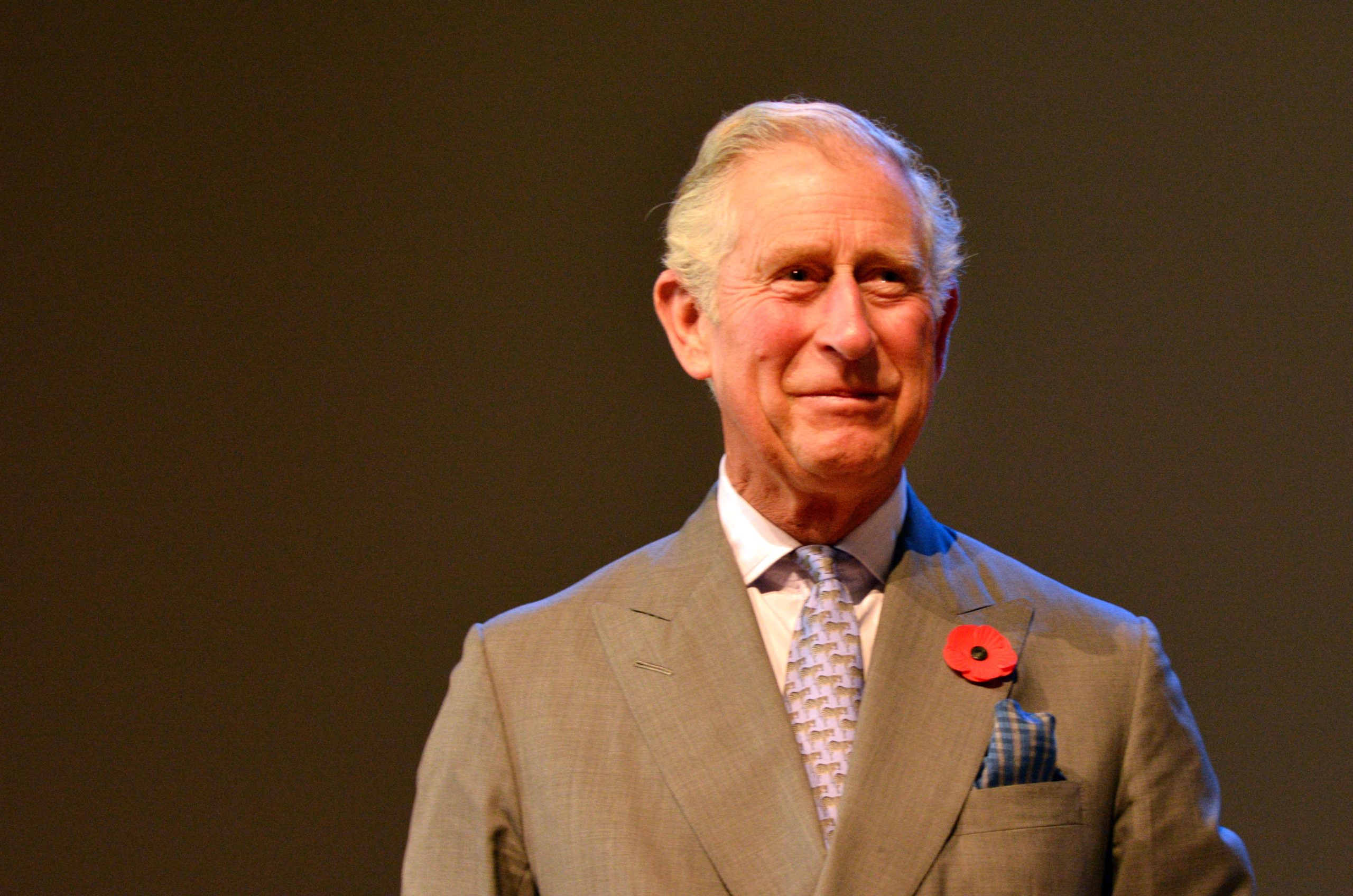
King Charles III has reportedly issued a major ultimatum or warning to Prince Harry and Meghan Markle over their relationship with the monarchy, their royal status and their recent royal-style engagements. The reported dispute, centered on the United Kingdom and England’s royal family, turns on whether the Duke and Duchess of Sussex are appearing to act like official representatives while no longer serving as working royals.
That matters now because a Woman & Home report says Charles is unhappy with trips framed by critics as pseudo-royal, including a visit to Jordan and an Australia tour. In plain terms: King Charles gives Harry and Meghan a warning, according to the report, because the palace fears the line between private philanthropy and official royal duty is being blurred again.
The line Charles wants drawn
The reported ultimatum is less about one speech or one trip than about a boundary Buckingham Palace has been trying to enforce since Harry and Meghan stepped back from royal duties. The couple can run charities, give keynote speeches, attend events and build a public platform. What they cannot do, in the palace view, is look as though they are representing the Crown.
Woman & Home reported that palace sources described the King as very uneasy about the Sussexes’ recent engagements. The concern, according to that account, is that Harry and Meghan are not merely appearing as private figures with a famous surname, but recreating some of the rhythms of a royal tour: planned appearances, public-facing causes, diplomatic-adjacent settings and heavy media attention.
No public statement from Buckingham Palace has announced a formal ultimatum. That distinction matters. This is a reported warning based on unnamed palace sources, not an official decree read from the steps of the palace.
Still, the idea tracks with a long-running royal problem: the monarchy has to protect its public role, while Harry and Meghan still carry titles, global recognition and a family connection that cannot simply be switched off.
Why Australia raises the stakes
The Australia element is especially sensitive because Commonwealth visits have a different meaning inside the royal system. Official royal tours are not casual celebrity appearances. They are usually coordinated through government channels and are often tied to diplomacy, public service, national commemoration or soft power.
That is why the reported concern goes beyond optics. If Harry delivers a mental health speech in Australia and the couple attend a series of engagements, many casual observers may not pause to ask whether the visit is official. They may simply see royal titles, cameras and public events.
For the palace, that ambiguity is the problem. Working royals are accountable to the institution and operate within a carefully managed diary. Harry and Meghan, by contrast, now make their own choices, set their own schedules and answer to their own organizations, sponsors and teams.
Critics quoted in the Woman & Home report argue that this gives the Sussexes the benefits of royal visibility without the constraints of royal duty. Supporters would counter that the couple are private citizens using their platform for causes they have long championed, including mental health, veterans and community work.
The old deal still matters
This argument goes back to the terms of Harry and Meghan’s royal exit. When they stepped back in 2020, one of the central questions was whether they could create a half-in, half-out model: part royal, part independent. Queen Elizabeth II ultimately made clear that the arrangement would not work that way.
In 2021, Buckingham Palace confirmed that the Sussexes would not return as working members of the royal family. Their honorary military appointments and royal patronages were returned, while they remained much-loved members of the family in the palace’s public wording.
That settlement did not erase the tension. Harry remains a prince and the Duke of Sussex. Meghan remains the Duchess of Sussex. Their names still generate global attention. Even when they are not acting for the Crown, the public often reads their movements through a royal lens.
That is the heart of the reported Charles warning. The monarchy is not just a family business; it is a constitutional institution. Its public work is choreographed, documented and constrained. Harry and Meghan’s post-royal life is more entrepreneurial, more media-driven and more flexible. Those two operating systems keep colliding.
Harry and Meghan’s counterargument
The Sussexes have a case of their own, even if the palace dislikes the optics. They did not stop being public figures when they left Britain. They did not stop having charitable interests. They did not stop being asked to speak at high-profile events.
Harry’s work on mental health and veterans’ welfare predates the couple’s move to California. Meghan’s advocacy around women, girls, media and community support also predates and outlasts her brief period as a working royal. From their perspective, continuing that work is not necessarily an imitation of palace duty. It is a continuation of public service on independent terms.
The harder question is whether independence can ever be clean when royal titles remain in use. A keynote speech by Prince Harry is not received the same way as a keynote speech by a former nonprofit executive. A visit by the Duke and Duchess of Sussex is not covered like a standard celebrity charity stop.
That built-in advantage is what irritates critics. It is also what makes Harry and Meghan valuable to causes and event organizers. Their royal association is both the source of the complaint and the reason they are in demand.
What Charles can actually do
The word ultimatum sounds dramatic, but the practical tools available to Charles are limited and politically delicate. The King can make expectations clear privately. The palace can distance itself from events that are not official. Courtiers can emphasize that the Sussexes do not represent the monarchy.
More aggressive moves, such as changing titles, would be far more complicated. Removing a dukedom would likely require parliamentary action. Questions around princely status are also legally and constitutionally sensitive, and any attempt to escalate the fight could create a bigger public spectacle than the original problem.
There is also a family cost. Charles has repeatedly been described in British reporting as wanting some form of personal relationship with Harry, even amid deep mistrust. A hard institutional line may protect the monarchy’s brand, but it risks widening the private divide between father and son.
That tension explains why palace responses often appear indirect. A quiet warning can signal displeasure without triggering a formal constitutional fight. It also leaves room for both sides to step back without admitting defeat.
The unresolved royal problem
The reported warning shows that the Sussex question has not faded, even years after the couple left working royal life. The monarchy wanted a clean separation between official duty and private enterprise. Harry and Meghan built a new public identity that still draws power from royal history, royal titles and royal fascination.
Both things can be true at once: the palace has a legitimate interest in preventing confusion over who represents the Crown, and the Sussexes have a legitimate right to pursue public work outside the institution. The conflict lives in the overlap.
What remains unclear is whether Charles’ reported message will change anything. Harry and Meghan have shown no sign of retreating fully from public life. The palace, for its part, has little incentive to let unofficial royal-style appearances become normalized.
The clean takeaway is this: the fight is not only about family hurt or tabloid drama. It is about control of the royal image. As long as Harry and Meghan remain globally recognized royals operating outside the royal machine, Charles will face the same uncomfortable question: where does private influence end and the monarchy begin?




Leave a Reply