
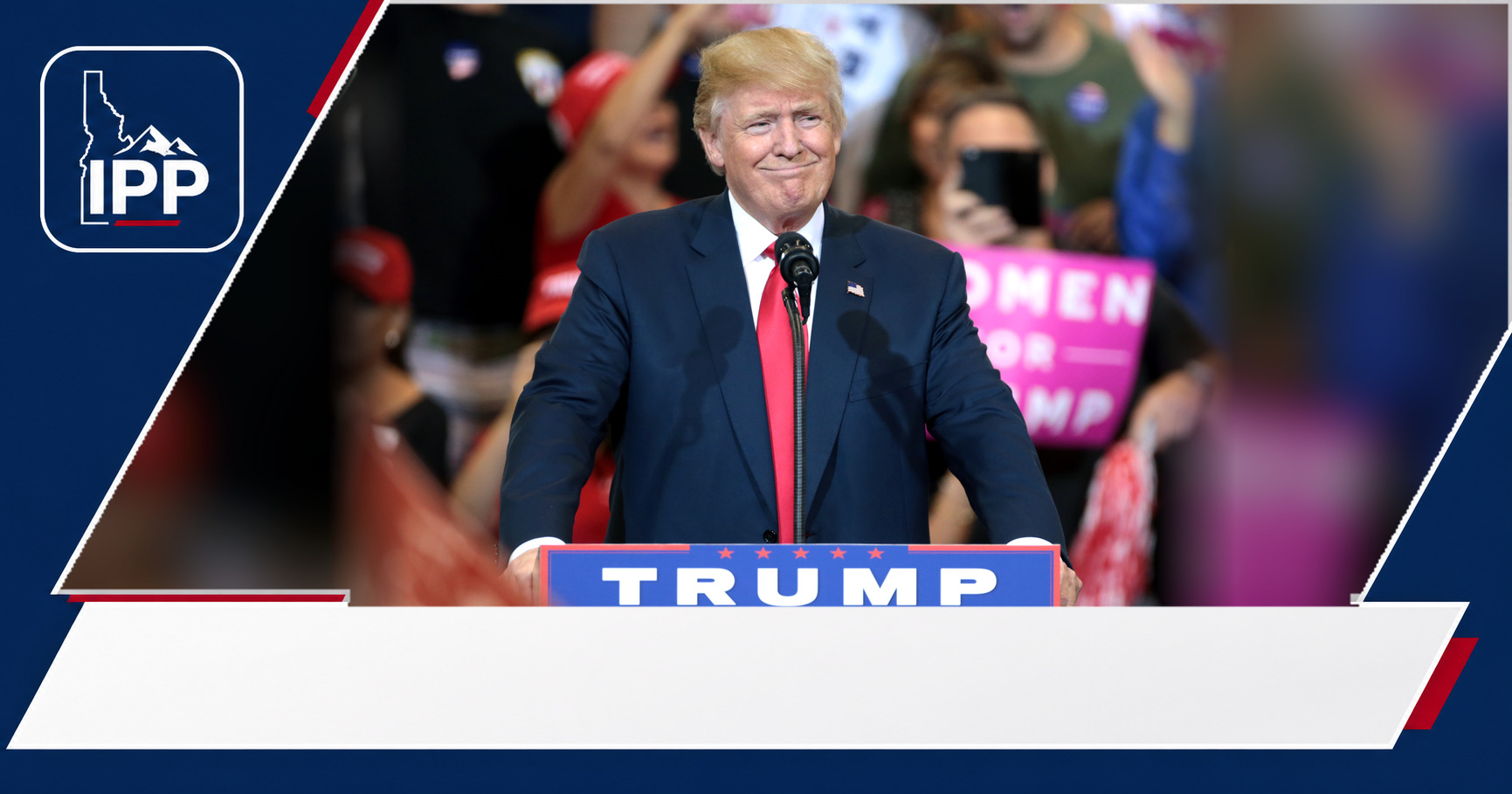
The reported chill is more than a personality dispute. For Trump, public distance from business leaders can undercut one of his core political claims: that corporate America trusts him to manage the economy.
Donald Trump’s credibility with major business leaders has been badly damaged, according to a Raw Story report saying major industry executives are giving him a cold shoulder. The report points to business executives distancing themselves from Trump, a familiar fault line in his relationship with corporate America.
That matters now because Trump has long treated boardroom confidence as proof of economic strength. When powerful executives back away, it can signal more than bruised feelings: it can show that companies see political association with him as a risk as well as an opportunity.
A chill with real consequences
The phrase “credibility is shot” is blunt, but the underlying question is practical: do major business leaders believe Trump is a reliable partner, or do they see him as too volatile to publicly embrace?
Corporate America rarely moves as one bloc. Some executives may still favor Trump’s tax, regulatory or energy positions. Others may prefer to keep access to the White House while avoiding public displays of loyalty.
That is what makes a “cold shoulder” politically meaningful. Executives do not have to denounce Trump to send a message. They can skip events, decline advisory roles, withhold praise, speak through trade groups or keep their support private.
For a politician whose brand is built around dealmaking and elite business confidence, that kind of quiet retreat can be damaging. It weakens the image of Trump as the person corporate leaders naturally turn to when the economy is on the line.
The Charlottesville rupture still looms
The clearest public example of this dynamic came during Trump’s first term, after the white nationalist rally and violence in Charlottesville, Virginia. Reuters reported in 2017 that Trump disbanded two high-profile business advisory councils after several chief executives quit in protest.
NBC News reported at the time that Trump dissolved the councils after a wave of CEO departures following his response to the Charlottesville attack. The outlet quoted Trump’s tweet saying, “Rather than putting pressure on the businesspeople of the Manufacturing Council & Strategy & Policy Forum, I am ending both.”
That episode was not just symbolic. It showed that executives who had joined Trump-aligned advisory groups for policy access could decide the reputational cost had become too high.
NBC News also reported that leaders of the Strategic and Policy Forum said the debate over participation had become “a distraction” from their work. Their statement said intolerance, racism and violence had “absolutely no place in this country.”
Why executives back away
Executives tend to avoid open political fights unless they believe silence is costlier than speaking. Their calculations usually involve customers, employees, investors, regulators and the company’s long-term brand.
In the NBC News account of the 2017 advisory council collapse, some CEOs cited values directly. Denise Morrison, then chief executive of Campbell Soup, said racism and murder were “unequivocally reprehensible” and not morally equivalent to anything else that happened in Charlottesville.
Inge Thulin, then chairman and CEO of 3M, said the manufacturing initiative was “no longer an effective vehicle” for 3M to advance its goals, according to NBC News. That is the kind of language companies often use when they want to exit a political arrangement without turning the departure into a personal feud.
The same logic applies to the current reported chill. A public embrace of Trump can bring policy influence with supporters, but it can also bring scrutiny from employees, consumers and shareholders who may see the relationship as an endorsement of his conduct or rhetoric.
Support does not vanish overnight
It would be too simple to say corporate America has abandoned Trump. Many companies and executives still benefit from policies associated with him, including lower taxes, deregulation and a tougher posture toward some foreign competitors.
Business leaders also have strong incentives to maintain lines of communication with any president. Even executives who dislike Trump’s style may want access on tariffs, antitrust enforcement, labor rules, artificial intelligence, energy policy and federal contracts.
That creates a split-screen reality:
- Some executives may distance themselves publicly while continuing to lobby privately.
- Some may support Trump’s economic agenda but avoid being photographed as political allies.
- Some may conclude that the reputational risk outweighs any policy benefit.
- Others may see criticism of Trump as a risk with his voter base and stay neutral.
The cold shoulder, then, is not necessarily a clean break. It is a sign that visible association with Trump has become more complicated.
Trump’s business brand is vulnerable
Trump’s political identity has always leaned heavily on business credibility. Long before he entered politics, he sold himself as a builder, negotiator and dealmaker. As president, he often measured success through markets, investment announcements and praise from executives.
That is why reported distance from major industry executives cuts deeper than routine political criticism. It challenges a central part of his pitch: that the business class trusts him because he understands money, growth and power.
For executives, the calculus is different. Their job is not to validate Trump’s brand. Their job is to protect their companies, and that can mean stepping back when a political relationship threatens to become a liability.
This is where credibility matters. If executives believe Trump’s promises are unpredictable, or that his public controversies can swamp their policy goals, they have less reason to stand beside him openly.
What remains unclear
The Raw Story report points to a sharper chill between Trump and major industry executives, but the full scale of the pullback is harder to measure. Public statements tell only part of the story. Donations, lobbying meetings, advisory invitations and attendance at private events may reveal a more complicated picture.
It also remains unclear whether the reported cold shoulder is concentrated in a few industries or spread across the broader corporate world. Consumer-facing companies may face different pressures than defense contractors, energy firms, manufacturers or financial institutions.
The safest reading is that Trump’s relationship with corporate America is not broken in a single dramatic moment. It is under strain in ways that matter: fewer executives may want to be seen as validators, even if many still want influence over policy.
That tension is the story. Trump may retain powerful business allies, but the reported chill suggests that support from the executive class is no longer automatic, uncomplicated or cost-free.



Leave a Reply