

The narrow committee vote shows how a dispute over Trump’s IRS settlement nearly stalled the nomination. It also previews the questions Blanche will face over Justice Department independence.
The Senate Judiciary Committee advanced Todd Blanche’s nomination for attorney general Tuesday, voting 12-10 along party lines after Republican holdouts accepted Justice Department assurances tied to President Donald Trump’s IRS settlement. The committee vote on Blanche’s nomination moved the nomination forward to the next Senate step: a possible floor vote later this week.
The nomination moving to the next Senate step matters because Blanche is already acting attorney general and has become a central figure in Trump’s Justice Department. His confirmation fight now turns from committee pressure to full-Senate math, where even a small number of Republican defections could matter.
A narrow committee win
The Judiciary Committee’s 12-10 vote was a procedural victory, not the end of the fight. According to an Associated Press report published by PBS NewsHour, the vote broke along party lines and came after Blanche won over Republican senators who had been threatening to withhold support.
Blanche, a former federal prosecutor and former personal attorney to Trump, has been serving as acting attorney general after taking over from Pam Bondi in April. His nomination now heads to the Senate floor, where Republicans can confirm him if they keep their conference largely together.
The vote also shows how much leverage individual senators can have in a closely divided confirmation process. Blanche did not just need broad Republican support. He had to answer specific concerns from GOP members who were uncomfortable with part of a settlement connected to Trump’s lawsuit against the IRS.
The deal that unlocked votes
The immediate obstacle was not Blanche’s résumé alone. It was a controversy over a proposed 1.8 billion-dollar fund described by the administration as part of a settlement of Trump’s lawsuit over leaked tax returns.
Republican Sens. John Cornyn of Texas and Thom Tillis of North Carolina had demanded written confirmation that the Justice Department was not moving ahead with what critics called an anti-weaponization fund. The fund was described as a way to compensate Trump allies who believed they had been prosecuted for political reasons.
After several days of talks, Blanche issued an order Sunday evening saying, in the AP account, that there was no fund. The order said no members had been appointed, no money had been transferred, no claims process had been created and no claims had been paid.
That was enough to bring Cornyn and Tillis back into the fold for the committee vote. Senate Judiciary Committee Chairman Chuck Grassley called their demands common sense and said Blanche, the White House and the senators had worked in good faith to resolve the issue.
IRS settlement questions remain
The settlement dispute did not stop at the proposed fund. Cornyn and Tillis also sought clarification on language that could have been read to protect Trump and members of his family from tax audits.
Under the deal described in the AP report, the Justice Department said the tax-audit immunity language applies only to claims open at the time of the settlement. It also said the agreement does not protect Trump from scrutiny of future tax filings.
The clarification also narrowed who is covered. The Justice Department said the tax agreement applies only to the parties that brought the lawsuit: Trump, two of his sons and the Trump Organization.
That distinction matters because the underlying lawsuit was already unusual. Trump was challenging an agency overseen by the executive branch he leads, and a judge sharply criticized the case as an improper exercise in self-dealing, according to the AP report.
Democrats see a loophole
Democrats were not persuaded that Blanche’s order permanently settled the matter. They argue the Justice Department could revive the fund after Blanche is confirmed unless Congress blocks it more directly.
Sen. Dick Durbin of Illinois, the top Democrat on the committee, warned that the fund could be restored quickly by a new Justice Department order after confirmation. Democrats have called for legislation that would permanently bar such a fund.
They also point to another path that would remain open even without the disputed fund. The AP report notes that the order does not stop the administration from compensating Trump allies through an existing process for people who claim they were harmed by the government.
That is the larger Democratic objection: Blanche’s assurances address one named mechanism, but not necessarily the administration’s broader ability to reward people who say they were politically targeted. Republicans who backed Blanche treated the written clarification as enough for now.
Why Blanche faces scrutiny
Blanche’s confirmation debate is about more than one settlement. Democrats and other critics have questioned whether he can maintain Justice Department independence given his prior role as Trump’s personal lawyer and his current position carrying out the administration’s priorities.
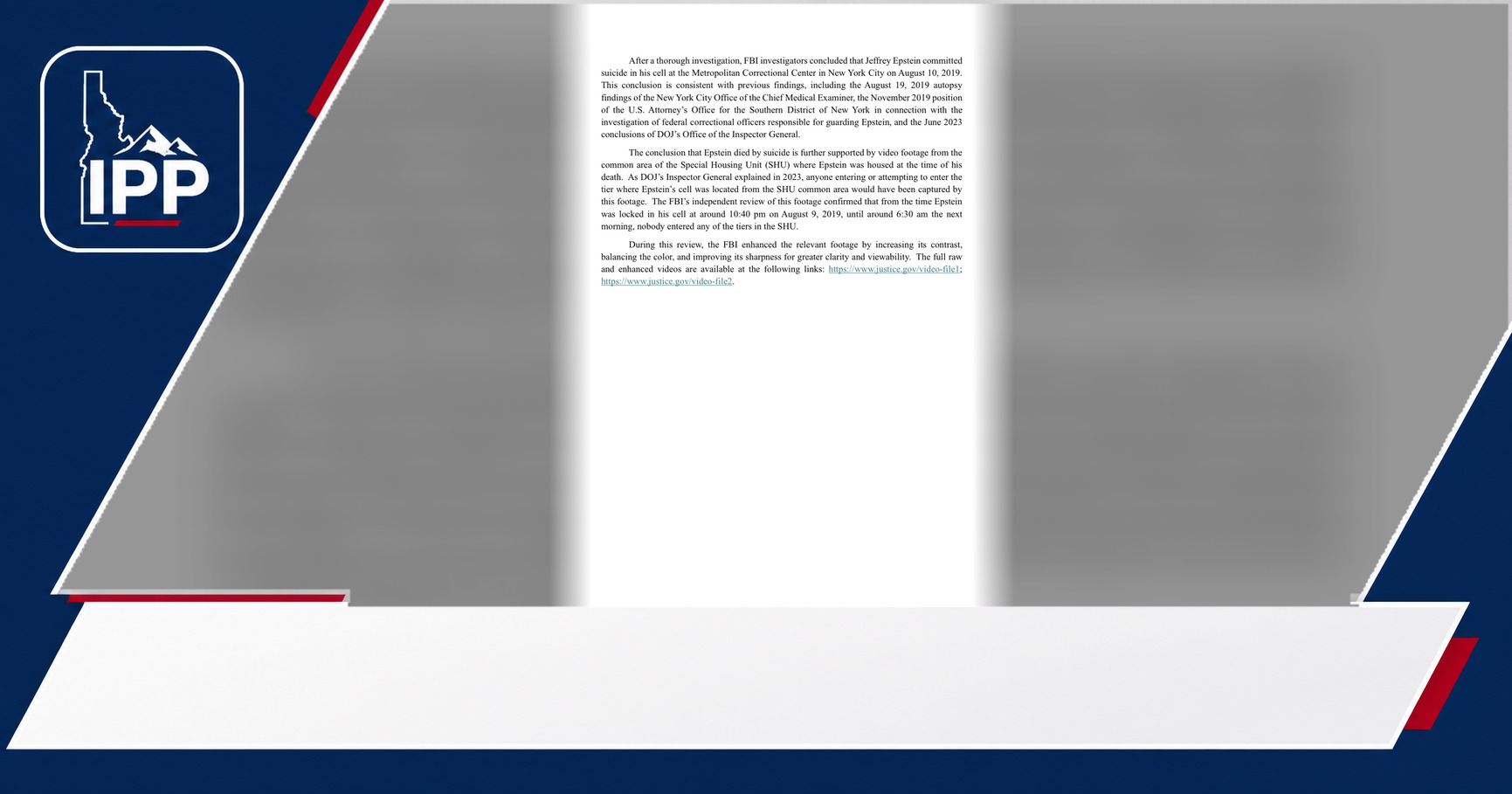
Since taking the acting attorney general role, Blanche has faced criticism over the department’s pursuit of Trump’s political adversaries. The AP report also noted scrutiny of the agency’s handling of files connected to Jeffrey Epstein’s sex-trafficking investigation.
Supporters see Blanche as an experienced prosecutor and senior Justice Department official who can carry out the president’s agenda. Critics see a nominee whose closeness to Trump raises the risk that the Justice Department will be used as a political instrument.
Those competing views explain why a committee vote that might normally be a routine step became a test of written commitments, settlement language and trust in how Blanche would use the attorney general’s powers.
The Senate floor is next
The full Senate could vote on Blanche’s nomination later this week. If Democrats remain united against him, Blanche’s margin depends on how many Republicans are present and willing to back him.
The AP report noted one key piece of floor math: if all Democrats oppose Blanche, he can afford to lose only two Republican votes if Sen. Mitch McConnell of Kentucky, who was hospitalized after a fall, does not return before the vote.
That makes the committee deal important but not decisive. Cornyn and Tillis no longer appear to be blocking the nomination in committee, but the floor vote will test whether other Republicans share their earlier concerns or accept the Justice Department’s written assurances.
The immediate takeaway is clear: Blanche has cleared the Judiciary Committee, but the debate over his nomination has shifted from whether the votes could be found in committee to what conditions, promises and political risks senators are willing to accept before giving him the Justice Department’s top job.








Leave a Reply