
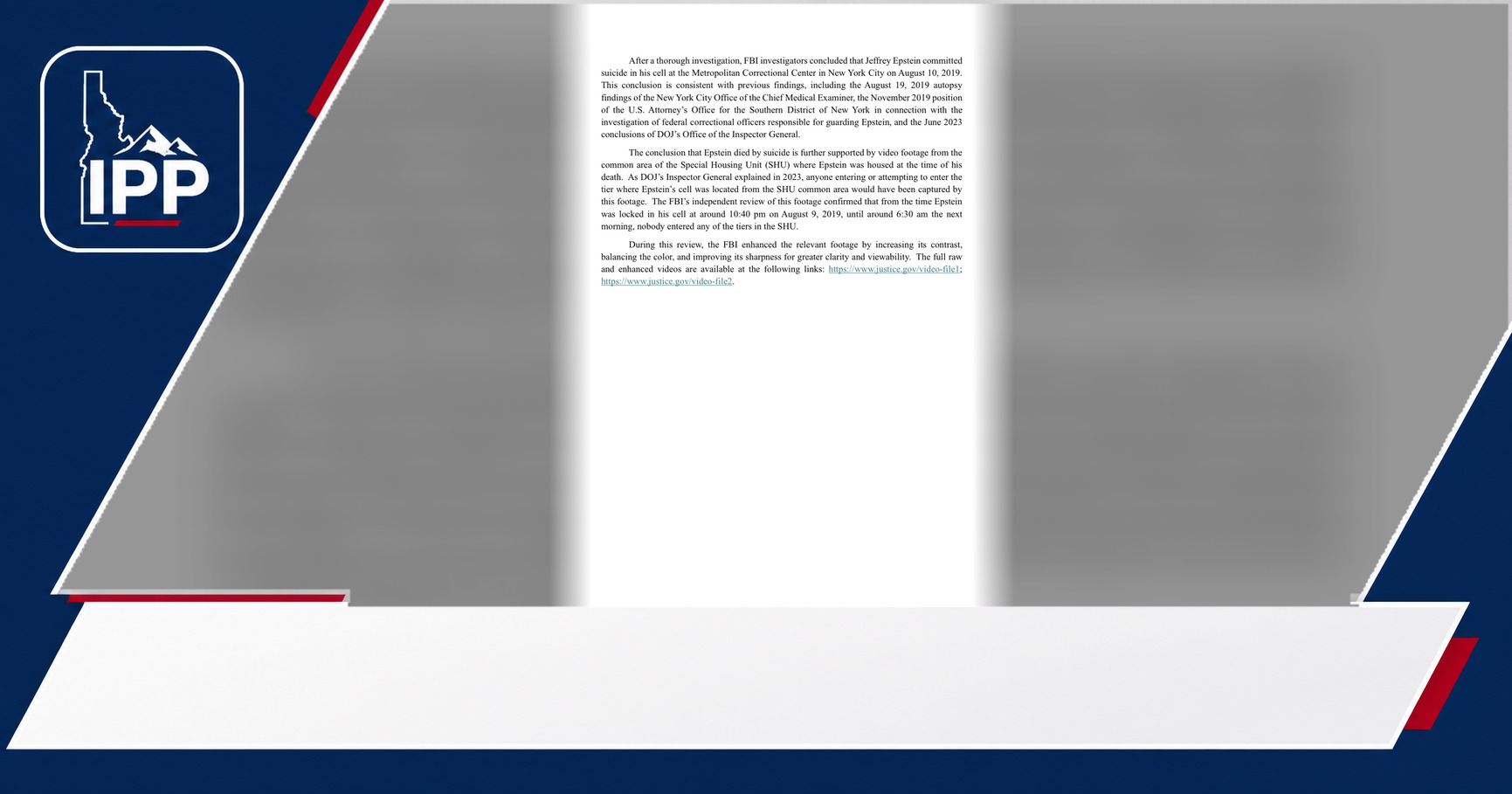
The fight over Epstein files is no longer just a cable-news demand for disclosure. An official roll call gives critics a sharper way to measure the gap between rhetoric and action.
According to a Raw Story report circulating on MSN, a MAGA senator’s Epstein calls were exposed as a ruse: the calls were not a genuine effort to force more transparency around Jeffrey Epstein records, but a pressure campaign critics described as performative. The claim matters because the official U.S. Senate record shows a concrete test on September 10, 2025: a roll call on whether to table an amendment directing the attorney general to make Epstein-related documents public.
The motion to table passed 51-49, according to the Senate roll call, blocking that path for the amendment. That is why the Epstein fight has moved from loud public demands to a quieter question: which lawmakers backed release when the issue reached the floor?
The vote behind the charge
The key public document is U.S. Senate Roll Call Vote 512 in the 119th Congress. The question before senators was a motion to table Senate Amendment 3849 to S. 2296.
The amendment’s stated purpose was direct: to require the attorney general to make publicly available documents related to Jeffrey Epstein. The motion to table was agreed to, 51 yeas to 49 nays.
In Senate practice, tabling an amendment is not the same as a clean up-or-down vote on the underlying idea. But the effect is plain enough for political argument: the amendment did not advance.
That gives critics the opening for the ruse claim. If a senator publicly demands Epstein transparency but supports a procedural move that prevents a release amendment from moving forward, opponents will call the public pressure campaign hollow.
Why tabling is not neutral
Procedural votes are where Washington often hides its fingerprints. A lawmaker can say they favor an idea in theory while opposing the specific vehicle, timing, wording, sponsor or political context.
That distinction can be real. Amendments can be drafted broadly. They can collide with ongoing investigations, privacy concerns, court orders or protections for victims and witnesses. A senator may argue that voting to table one amendment does not mean opposing all Epstein disclosures.
Still, procedure is not invisible to voters. A motion to table is a tool for stopping something. In this case, the something was an amendment with a stated purpose of making Epstein-related documents public.
That is why the 51-49 vote matters. It converts a vague transparency debate into a list of names and positions, even if each senator can offer a more detailed explanation for the vote.
MAGA’s transparency problem
The politics are especially combustible on the right because Epstein has become more than a criminal case in online conservative media. For years, prominent MAGA figures and influencers have demanded fuller disclosure of records, contacts and government handling of the case.
That demand has often been framed as a test of whether powerful people are being protected. It is an argument designed for maximum distrust of institutions, and it has resonated with voters who believe federal agencies conceal too much.
But that style of politics creates a trap for elected Republicans. Once a lawmaker turns Epstein records into a symbol of truth-telling, a procedural vote against a release measure becomes easy to portray as betrayal or theater.
The Raw Story framing leans into that tension. The point is not merely that a senator talked loudly. It is that the official record can be read as showing a quieter move in the opposite direction.
The counterargument from procedure
There is a fair defense available to any senator caught in that gap: not every transparency amendment is automatically responsible transparency. Epstein-related records may include sensitive information about victims, uncharged people, investigative methods or grand jury material.
A lawmaker could also object to the amendment’s sponsor or placement. The roll call identified it as a Schumer amendment, and partisan control over the terms of disclosure can become its own fight.
Those arguments do not erase the political problem. They simply narrow it. If a senator says the amendment was flawed, the next question becomes whether they have offered a better mechanism to release records with safeguards.
That is where rhetoric becomes measurable. A serious transparency push usually comes with text, timelines, limits, redactions and accountability. A performance often stops at the microphone.
Epstein records remain sensitive
Jeffrey Epstein’s case continues to generate public anger because it sits at the intersection of wealth, sexual abuse, elite access and institutional failure. Calls to release records are not just partisan noise; they reflect a real demand for accountability.
But disclosure is not simple. Records can contain the names and identifying details of victims. They can include allegations that were never tested in court. They can also be entangled with sealed proceedings and law enforcement files.
The strongest version of the transparency argument recognizes those limits. It calls for maximum release consistent with victim protection and due process, not a document dump that creates new harm.
The strongest version of the skeptic’s argument also has limits. Invoking privacy cannot become a permanent shield for avoiding politically uncomfortable disclosures.
What the record proves
The Senate roll call proves one thing clearly: a proposal to direct the attorney general to make Epstein-related documents public was stopped by a successful motion to table, 51-49.
It does not prove every senator’s motive. It does not, by itself, establish whether any one lawmaker was acting in bad faith. Motive is harder to document than a vote.
But politics rarely waits for private intent. If a senator built a public brand around demanding Epstein transparency, the vote record becomes part of the case against them.
That is why the story is sticking. The Epstein files debate is no longer only about what the government has not released. It is also about whether politicians using the issue for outrage are willing to take the procedural votes that make disclosure possible.
The next test is action
The cleanest way for any lawmaker to answer the ruse charge is not with another interview. It is with a concrete bill or amendment that specifies what should be released, who reviews redactions and when the public gets access.
That would force a clearer debate. Senators who favor disclosure could prove it in legislative text. Senators worried about victims, investigations or due process could propose limits instead of hiding behind process.
Until then, the 51-49 vote will remain a useful shorthand for critics. It is the difference between saying Epstein records should come out and supporting a vehicle that would push them toward release.
The takeaway is blunt: on Epstein transparency, the loudest call is not the most important record. The vote is.





Leave a Reply