
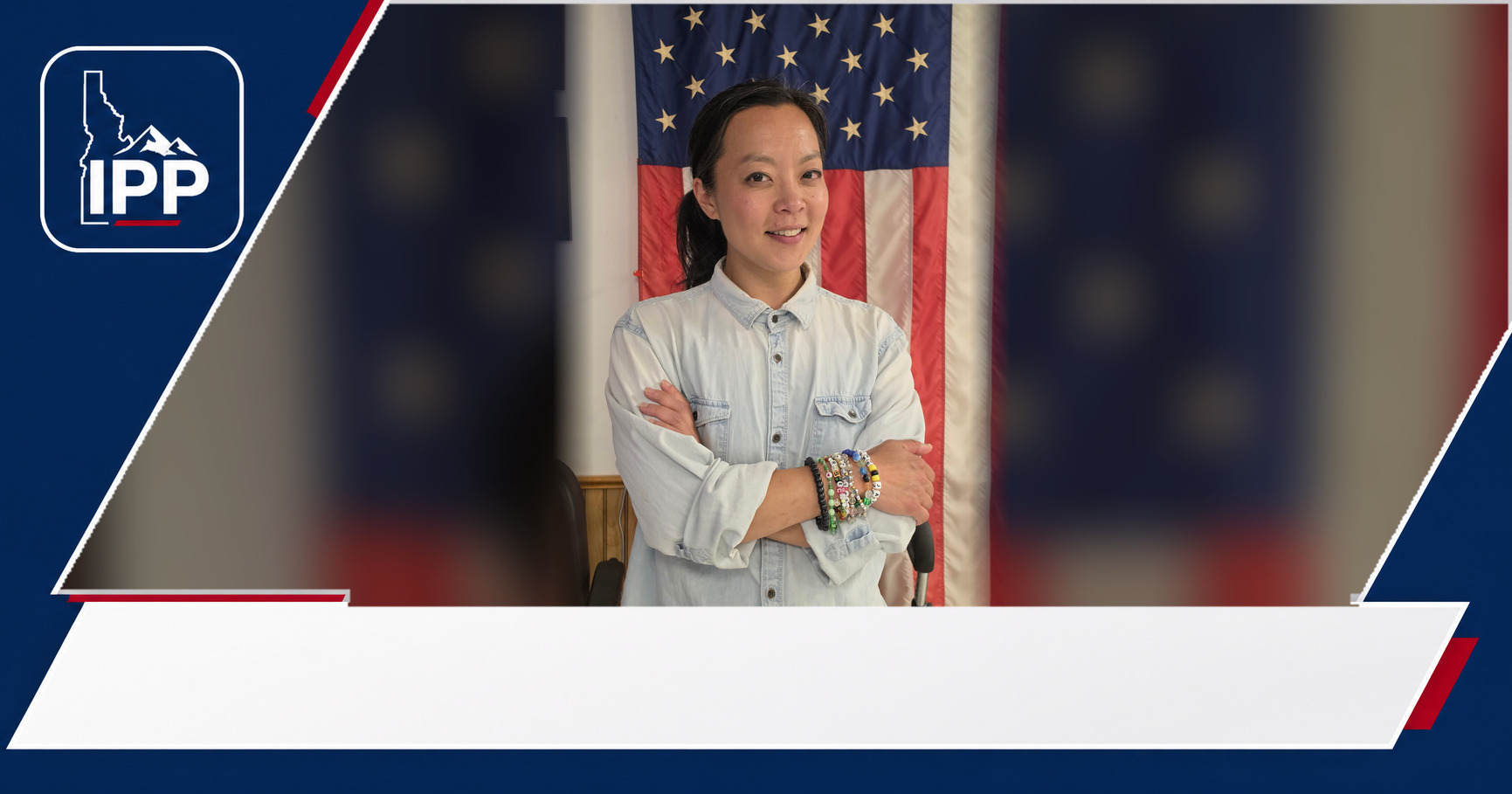
Hong says she does not want to cancel the holiday, but her CNN answer kept questions alive. The flap shows how old pandemic-era posts can become a campaign-season test of judgment and messaging.
Francesca Hong is facing scrutiny over a resurfaced social media post about Thanksgiving, and the Wisconsin gubernatorial campaign now has a fresh culture-war test. The post has sparked political backlash in Wisconsin because critics read it as a call to “cancel Thanksgiving,” while Hong is trying to explain or defend the post without disowning her broader point about history and pain.
The Democratic socialist state lawmaker from Madison addressed the issue Monday on CNN’s The Source with Kaitlan Collins, then had her campaign tell Fox News Digital: “No, she does not want to ‘cancel’ Thanksgiving.”
The answer kept the story alive
Collins asked Hong directly whether she still believed Thanksgiving should be canceled. Hong did not answer with a simple yes or no on air. Instead, she reached for biography, saying she is a chef and that one of the first community meals she made at 16 was a Thanksgiving meal.
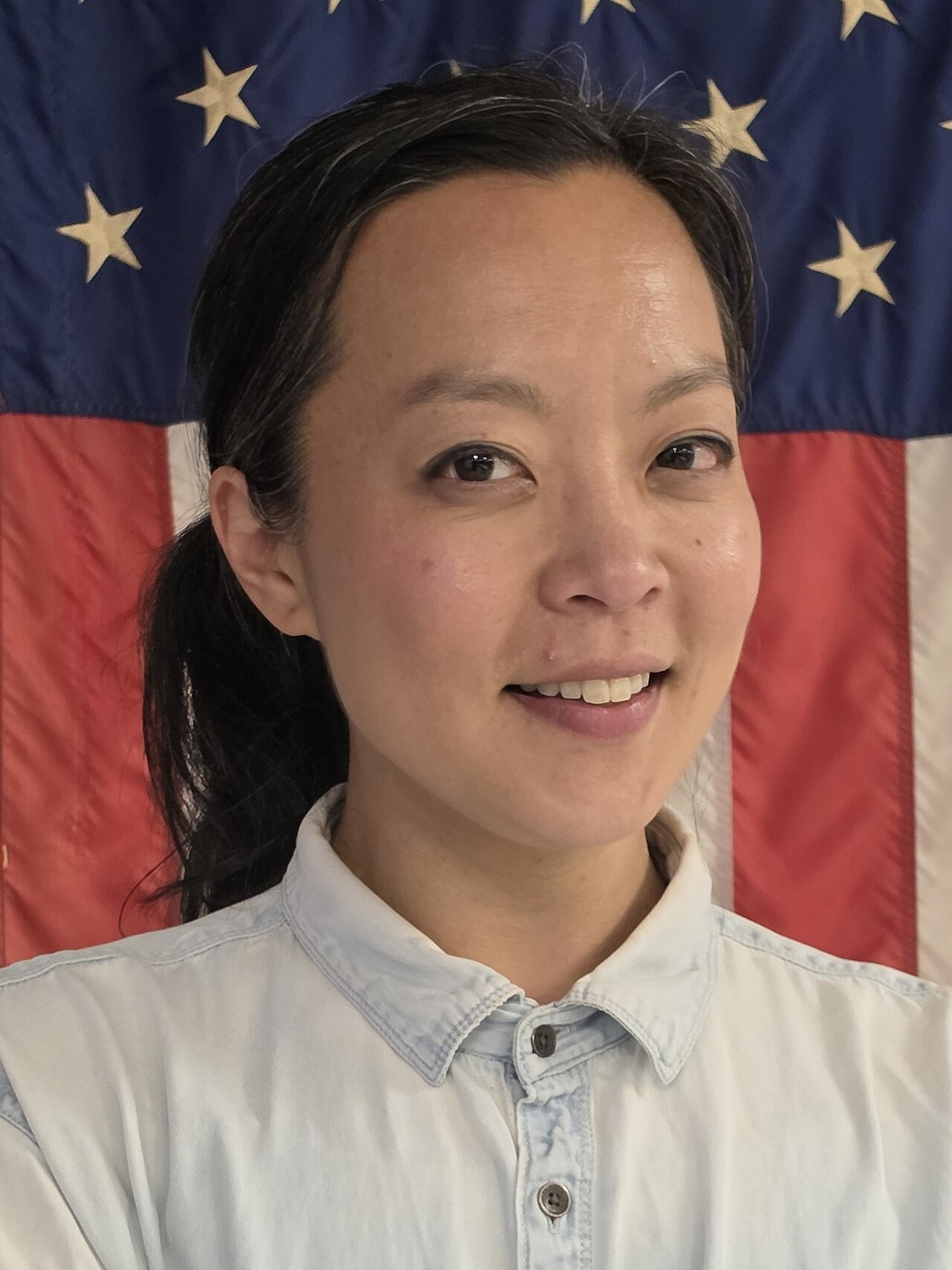
Her point was that food and gathering are central to how she thinks about public life. Hong said her years owning a restaurant taught her that bringing people around a table to share conversation and build community is a good thing.
Then she pivoted to the reason the old post is politically combustible. Thanksgiving, she said, is also “incredibly painful” for many people in the community, and she wanted people to understand that there are multiple views. She added that views can evolve.
That kind of answer can be honest, but it is also vulnerable. Supporters may hear a candidate trying to hold complexity. Critics hear a dodge, especially when the question is framed as whether a major American holiday should be canceled.
The 2020 post at issue
The resurfaced post was originally made on X in November 2020 and has since been deleted, according to Fox News Digital. The text reported by Fox was blunt: “Cancel Thanksgiving. Should have done this in 1621.”
Hong also reportedly wrote that if a worldwide pandemic forced Americans to realize they should stop celebrating colonialism and the “original superspreader event” that killed Indigenous people and women, “so be it.” The post used the spelling folx, a term often used in progressive spaces to signal inclusivity.
The timing matters. In November 2020, public health officials were warning against large holiday gatherings as COVID-19 cases surged. Many people were already canceling or shrinking Thanksgiving plans, not because of politics but because of the pandemic.
Hong’s post, however, went beyond health guidance. It folded the pandemic into a critique of colonial history and the meaning of the holiday itself. That is why the revived post now lands less like an old COVID-era argument and more like a test of how Hong talks to voters outside her ideological base.
Why Wisconsin timing matters
Hong is not just another state lawmaker with an old post. She is running for governor in Wisconsin, a closely watched battleground state where small shifts in tone and turnout can matter. Fox News described her as leading in polls for the Democratic nomination ahead of next week’s election.
She is also identified with the party’s left flank. Fox reported that Hong is endorsed by the Democratic Socialists of America and has support from national progressive figures including Rep. Ilhan Omar, Rep. Ro Khanna and political commentator Hasan Piker.
That profile gives her a clear lane in a Democratic primary where progressive voters may reward candidates who challenge traditional patriotic narratives. It also gives opponents an obvious attack line: portray her as culturally out of step with families who see Thanksgiving as a nonpartisan ritual of gratitude, travel, football and dinner.
The fight is not really about whether a governor can cancel a holiday. They cannot in the way critics imply. The political risk is symbolic. A short, sharp post from 2020 becomes shorthand for larger doubts about judgment, electability and whether a candidate can speak to voters who do not already agree with her.
Two audiences, one holiday
Hong’s defense tries to speak to two audiences at once. To voters uncomfortable with the old post, she emphasizes hospitality, family-style gathering and her background as a chef. To voters who share her critique, she acknowledges that Thanksgiving can carry pain for Indigenous communities and others who see the holiday through the history of colonization.
That balancing act is hard to pull off under television questioning. A campaign statement saying she does not want to cancel Thanksgiving is clean. A live answer about evolving views, painful history and bringing people to the table is more nuanced, but also easier for critics to clip and mock.
Conservatives on X quickly did exactly that. The Fox report noted that the account Libs of TikTok mocked the response as a “word salad,” comparing it to attacks often aimed at former Vice President Kamala Harris.
There is a competing view, though: that old posts are often stripped of their original context and turned into loyalty tests. Hong’s 2020 language was provocative, but it came during a moment when public debate about both the pandemic and American history was unusually raw. Whether that context softens the blow depends on the voter.
What remains unanswered
The campaign’s clearest position is that Hong does not want to cancel Thanksgiving. What is less clear is how she would now phrase the underlying argument from the deleted post if given more time: a critique of colonialism, a warning about public health, a call to rethink holiday traditions, or all of those at once.
It is also unclear whether Democratic primary voters will care. In a crowded political environment, controversies around old social media posts can burn hot for a day and then fade. They can also harden into a durable label if opponents repeat them often enough.
For Hong, the immediate challenge is not Thanksgiving. It is translation. She has to translate activist-inflected language from 2020 into a gubernatorial message for Wisconsin voters in 2026, including people who may agree with parts of her critique but recoil at the phrase “cancel Thanksgiving.”
The episode shows why campaigns now treat old posts as opposition research waiting to happen. A few lines written in a different political moment can become the question a candidate has to answer on national television, especially when the candidate is already running as a bold ideological alternative.








Leave a Reply