
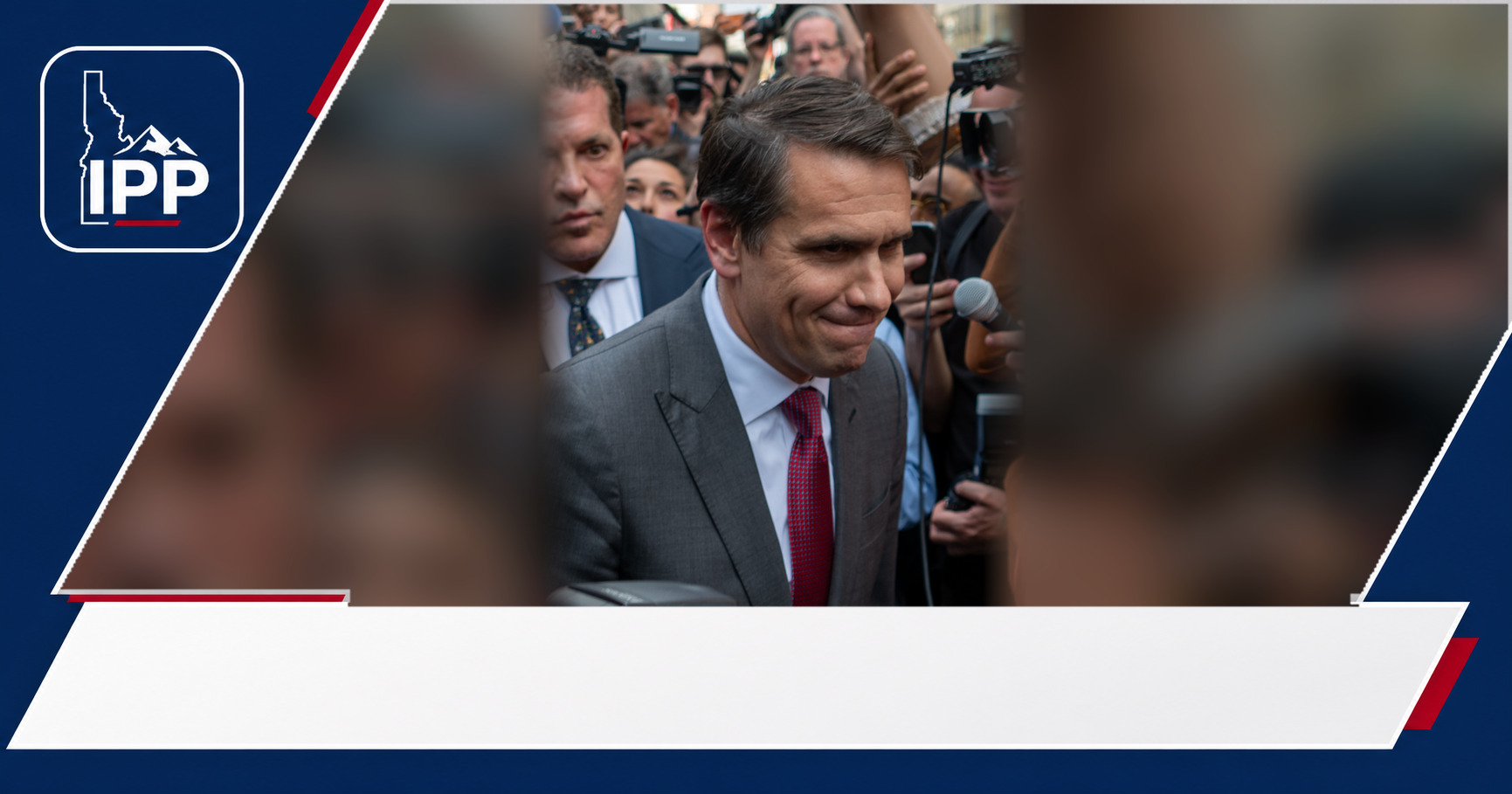
The dispute is not only about loyalty to Trump. It is about how much independence senators expect from a nominee who served as the president’s personal lawyer.
Republican senators should have opposed Todd Blanche, or at least forced a much harder accounting, because Todd Blanche’s confirmation fight in the Senate is no longer just a personnel vote. The reasons for opposition to Todd Blanche center on whether lawmakers are willing to confirm Todd Blanche after his close ties to President Trump and after a last-minute deal eased GOP resistance.
The real reason this fight matters is institutional, not theatrical. Politico reported that several Republicans were still reviewing an agreement involving Blanche, while Reuters described a postponed vote amid Republican backlash over a “weaponization” fund. That leaves a basic question: is the Senate providing advice and consent, or simply negotiating its way to yes?
A nomination became a test
Blanche’s path through the Senate has become a useful measure of how seriously Republicans treat their own oversight power when the nominee is someone favored by Trump.

Politico reported that Senate Republicans hoped to confirm Blanche as attorney general by the end of the week, but that his nomination was “not in the clear yet.” The outlet identified several Republicans who had not fully committed, including Sen. Susan Collins of Maine and Sen. John Curtis of Utah, while Sen. Bill Cassidy of Louisiana declined to discuss Blanche.
That hesitation matters because it shows the dispute was not limited to Democrats. Republican unease was real enough to slow the process and force talks with senators who wanted changes or assurances before moving ahead.
Trump, for his part, publicly pressed Republicans to confirm Blanche. Politico reported that Trump told Senate Republicans during a Cabinet meeting that they “will never get anybody like him.” That kind of pressure helps explain why the nomination became more than a résumé review.
The GOP holdout problem
The most revealing part of the Blanche fight is not that Democrats opposed him. That was expected. The more important development was that Republican senators had enough concern to create a temporary snag.
Reuters described the delayed confirmation vote as tied to Republican backlash over a “weaponization” fund. Politico reported that Sens. Thom Tillis and John Cornyn struck an agreement with Blanche, and that other Republicans wanted to review it before deciding whether to support him.
Tillis later told reporters, according to Politico, that “the back-and-forth over the weekend was not helpful” but that the talks “ended up at an acceptable place.” That phrasing is doing a lot of work. It suggests the issue was not whether Blanche had the president’s support; he clearly did. The issue was whether senators believed they had extracted enough commitments to justify supporting him.
Senate Majority Leader John Thune also sounded cautious rather than triumphant. Politico quoted him saying, “I’d like to figure out a way, a path forward to get him done.” That is not the language of a nomination gliding through on autopilot.
Whitehouse’s sharper objection
The strongest public case against Blanche came from Sen. Sheldon Whitehouse, a Rhode Island Democrat and senior member of the Senate Judiciary Committee. In a Senate release, Whitehouse argued that confirming Blanche would worsen problems inside the Justice Department.
Whitehouse described Blanche as Trump’s former personal criminal defense attorney and alleged that he had been “at the center” of what Whitehouse called rot at the department. He also claimed that more than 10,000 lawyers had fled or been forced out after being asked to carry out illegal or unethical orders.
Those are partisan accusations, and they should be read as such. But they also point to the core oversight issue: when a president’s former personal lawyer is nominated to run the Justice Department, senators have reason to demand unusually clear answers about independence, recusals, internal controls and congressional transparency.
That is where Republican senators had a stronger case to pause than the usual partisan scripts allow. They did not need to accept every Democratic allegation to recognize the conflict-risk built into the nomination.
Why the deal matters
A deal can resolve a Senate standoff. It does not automatically resolve the underlying problem.
If senators objected because they wanted a specific fund handled differently, then an agreement could be enough for them. But if the concern was broader Justice Department independence, the public deserves to know what commitments Blanche made, how they will be enforced and whether Congress will be able to verify compliance.
Politico reported that Collins wanted to speak with Tillis and Cornyn and read the agreement before making a judgment. Curtis had met with Blanche and was also watching how the matter played out. Those are not minor details. They show that some Republicans understood the difference between party loyalty and Senate responsibility.
The risk is that a short-term bargain turns into a long-term blank check. A nominee can promise restraint in private meetings, but the Justice Department’s credibility depends on visible guardrails, not just handshake understandings among senators.
Supporters see a different risk
There is also a real argument on the other side. Blanche’s supporters may see him as a trusted legal operator who understands Trump’s priorities and would pursue the administration’s view that the Justice Department itself has been politicized against conservatives.
For many Republicans, the phrase “weaponization” is not an abstraction. It is a central grievance about the federal government. A nominee who shares that worldview may look, to them, like a corrective rather than a danger.
That helps explain why Trump’s endorsement carries such force. If Republican voters believe the Justice Department has been used unfairly, senators may fear that opposing Blanche would be framed as siding with the old order rather than demanding independence.
But that argument cuts both ways. If a Justice Department nominee is chosen mainly because he is trusted by the president personally, then senators should be more skeptical, not less. The attorney general is not supposed to be the president’s private counsel in government form.
The unanswered oversight questions
The Senate’s real job is to clarify what Blanche would do when loyalty to Trump and duty to the department point in different directions.
Several questions remain central: what matters would Blanche recuse from, if any; what written commitments has he made to Republican holdouts; how would the “weaponization” dispute be handled; and what will happen if Congress seeks documents about politically sensitive decisions?
There is also the timing. Politico reported that if Blanche moved through the Judiciary Committee as expected, the soonest the Senate could confirm him was Saturday unless Democrats agreed to speed up the final vote. That compressed calendar increases the value of public answers before senators lock in their votes.
The clean takeaway is not that every Republican had to join Democrats in opposing Blanche for the same reasons. It is that Republican senators had their own reason to resist a rushed confirmation: protecting the Senate’s role as a check on the executive branch. If the final outcome is confirmation after private assurances, the public still needs to know whether those assurances amount to real oversight or just a smoother path to yes.



Leave a Reply