
A campaign image built around frustration with grocery bills now faces a tougher economic reality. Food prices have continued to rise, leaving Republican candidates to defend both the administration’s record and its promises.
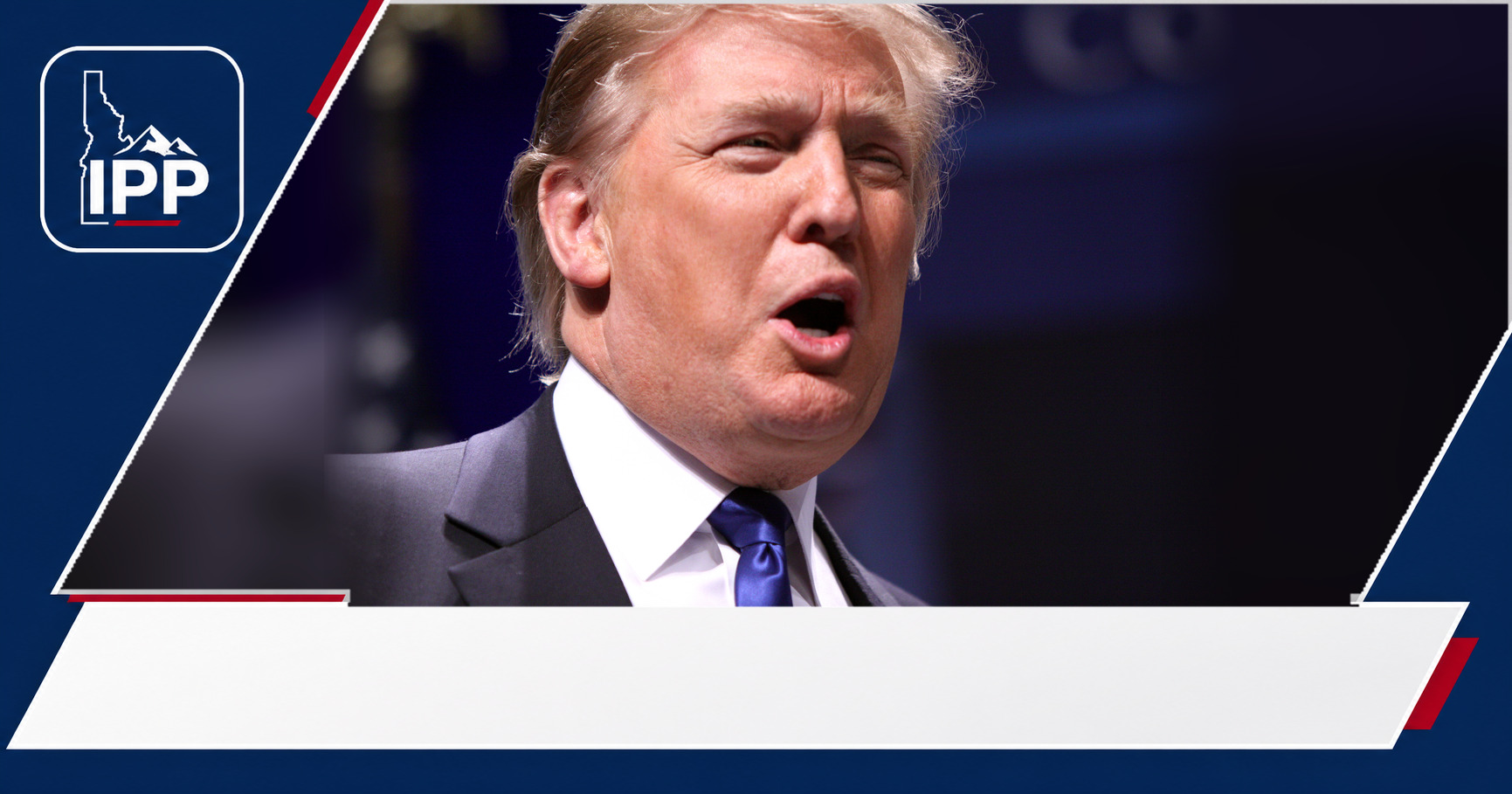
Donald Trump held a grocery-related photo opportunity in 2024 that put food bills at the center of his campaign argument. Now, as Republicans enter the United States midterm election cycle, that 2024 grocery photo op is creating political problems: grocery and food prices remain central to voter frustration, and the image is being revisited as a measure of whether Trump’s promises have delivered.
The pressure is not simply about one campaign stop. It is about the stubborn political power of a weekly receipt, particularly when Republican candidates must make their case to voters who were told relief at the grocery store would be a visible sign of economic progress.
A campaign symbol meets checkout reality
Grocery prices work differently in politics than many economic indicators. Voters may hear that inflation has slowed, but they still confront the accumulated cost of food whenever they buy milk, meat, produce or pantry basics.
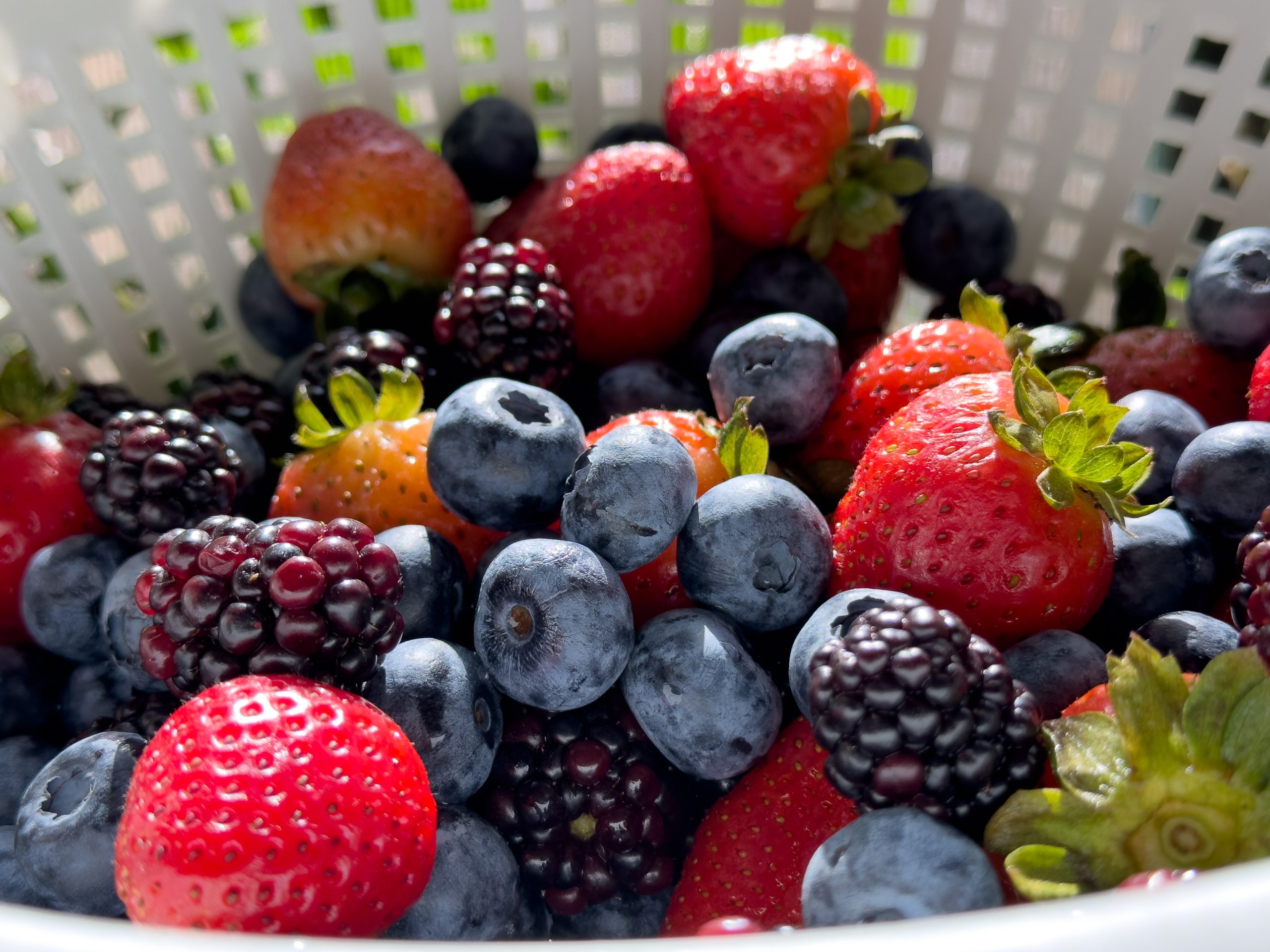
That makes Trump’s 2024 grocery appearance a durable visual reference point. It connected his campaign directly to the idea that households were paying too much for essentials and that a change in leadership would help reverse the pressure.
A photo opportunity cannot by itself determine an election. But it can become a concise reminder of a promise, especially when the underlying issue remains unresolved. For Republicans, the risk is that an image meant to capture public anger in 2024 now gives opponents an easy way to ask what has changed.
Food inflation has not disappeared
The latest Food Price Outlook from the U.S. Department of Agriculture’s Economic Research Service says overall food prices in June 2026 were 3.0% higher than a year earlier. Food purchased for home consumption, the category closest to a supermarket bill, was up 2.7% year over year.
Those figures do not mean every aisle costs more every month. The USDA reported that average prices rose in 10 of the 15 food-at-home categories it tracks from May to June, while five declined. Beef and veal, other meats, dairy products, fats and oils, and sugar and sweets all recorded monthly increases of at least 1%.
The agency forecasts food-at-home prices will rise 2.7% on average in 2026. That is far below the sharp food inflation Americans experienced in 2022, when overall food prices rose 9.9%, but it is still an increase rather than the broad price rollback many consumers might associate with a promise to make groceries cheaper.
That distinction matters politically. Slower inflation means prices are rising less quickly; it does not mean the overall level of prices has returned to where it was before the recent inflation surge.
Why Republicans own more of the argument
Republicans have long argued that Democratic economic policy contributed to the cost-of-living squeeze. In 2024, that critique gave Trump a straightforward message: voters did not need a chart to understand the economy because they could see it in their grocery carts.
Once a party campaigns so heavily on a household expense, the issue can become harder to redirect after an election. Voters may reasonably judge the party in power not only by whether price growth slows, but by whether their own budgets feel less strained.
That creates a difficult balance for Republican candidates. They can point to broader measures of economic performance, argue that price pressures have multiple causes, or emphasize that no president controls grocery prices directly. Yet those explanations may feel abstract against a campaign message that was intentionally concrete.
Democrats, meanwhile, have an incentive to frame continuing food inflation as evidence that Republican promises outran what government policy can quickly accomplish. Their challenge is that voters may still blame the prior administration, supply disruptions, corporate pricing decisions or other factors rather than assign responsibility to one party.
The presidency has limited price control
Neither side can honestly reduce grocery prices to a single White House decision. Food costs reflect weather, animal disease, energy and transportation expenses, labor costs, global commodity markets, supply chains and the choices made by producers, processors and retailers.
The USDA’s category data illustrates that complexity. A monthly jump in beef, for example, can have different causes and implications than a change in fresh vegetables or beverages. A family’s experience also depends on what it buys most often, where it lives and whether it is eating more meals at home or away from home.
That caveat does not erase the political stakes. Presidents receive credit or blame for conditions they may only partly influence, and grocery shopping is one of the most frequent ways people assess whether the economy is working for them.
Trump’s 2024 grocery photo op sharpened that connection. It encouraged voters to treat a familiar consumer experience as a test of political performance, which is why the image remains relevant during the midterm campaign.
Midterm campaigns will fight over expectations
The central dispute is likely to be less about whether food inflation is lower than it was at its peak and more about what voters were entitled to expect. Republicans can argue that the pace of increases has moderated and that structural price pressures take time to address.
Critics can answer that moderation is not relief. If a grocery basket remains noticeably more expensive than it was before the inflation shock, candidates face the hard task of explaining why an improvement in the rate of increase should feel like progress to households.
There is also an important unanswered question: whether food prices will remain a defining issue by Election Day or be overtaken by wages, employment, housing, health care, tariffs or another economic concern. The USDA forecast offers a national picture, not a prediction of how voters will evaluate their own finances.
The grocery aisle remains political terrain
Trump’s 2024 grocery appearance matters because it condensed a broad economic complaint into a simple campaign scene. As food prices continue to edge higher in 2026, Republicans cannot easily separate themselves from the expectations that scene helped create.
For voters, the useful distinction is between prices falling and inflation slowing. For candidates, the practical reality is simpler: grocery costs remain visible, personal and recurring. That makes them a powerful midterm issue even when the economic story is more complicated than a single photograph.





Leave a Reply