
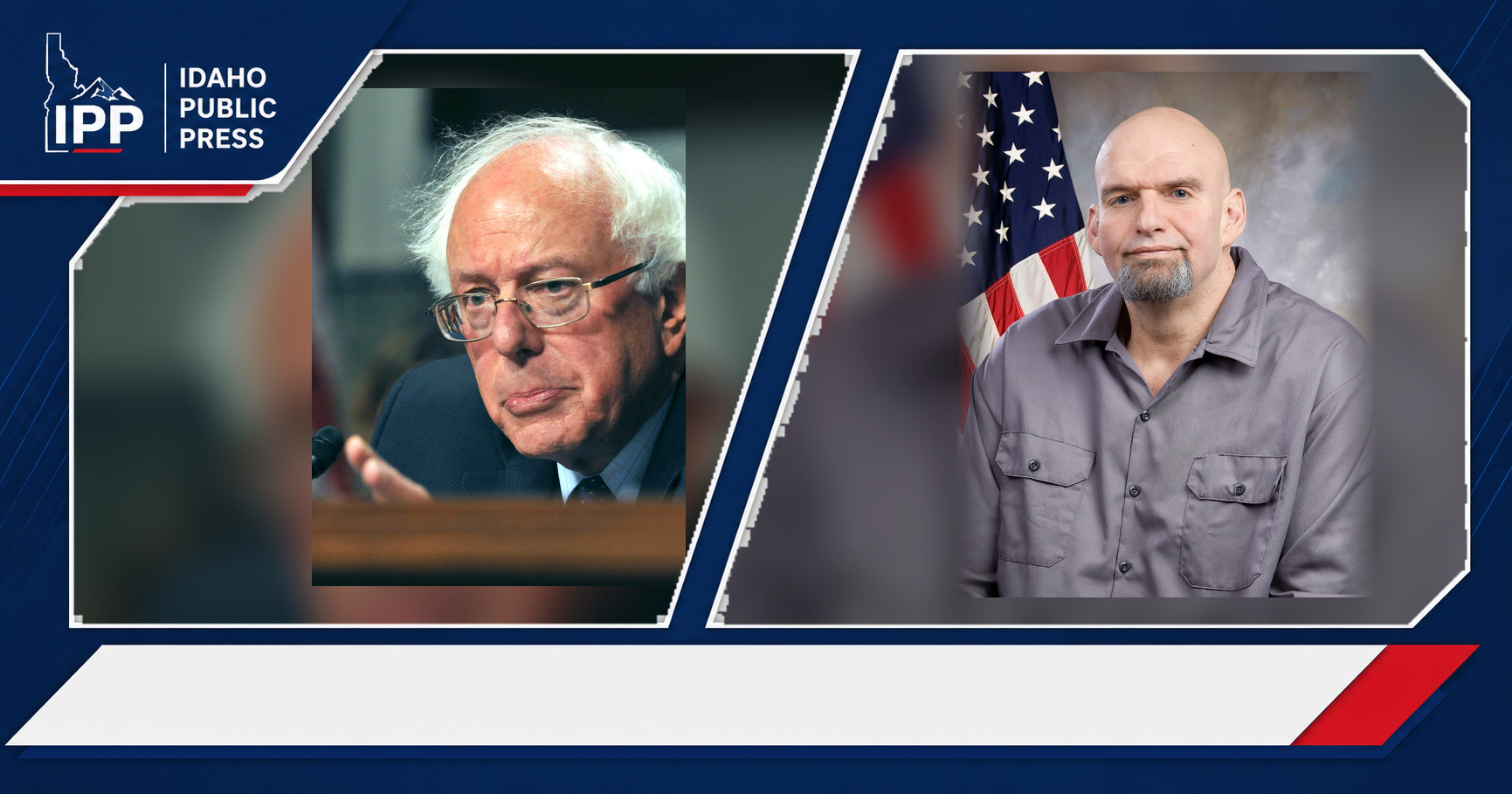
The clash between Bernie Sanders and John Fetterman is about more than a few television insults. It reflects an increasingly public argument over who speaks for Democrats, how candidates should win, and where the party’s ideological boundaries lie.
Bernie Sanders responded to John Fetterman’s criticism after Fetterman criticized Sanders on Fox News, calling the situation a “sad state of affairs.” Sanders’s remarks put a sharper focus on the political tensions between two senators who once occupied more closely aligned territory in Democratic politics.
Fetterman has made repeated appearances on Fox News and other Trump-friendly outlets while attacking Sanders and other progressives. The exchange matters because it has become a visible fight over party loyalty, campaign strategy and the Democratic coalition’s internal divisions.
Sanders delivers a pointed response
In an interview with Zeteo founder Mehdi Hasan, Sanders said he believed Fetterman had particularly weak standing among Democratic voters in Pennsylvania. He framed the Pennsylvania senator’s public criticism as part of a media dynamic in which attacking Sanders on Fox News can generate attention.
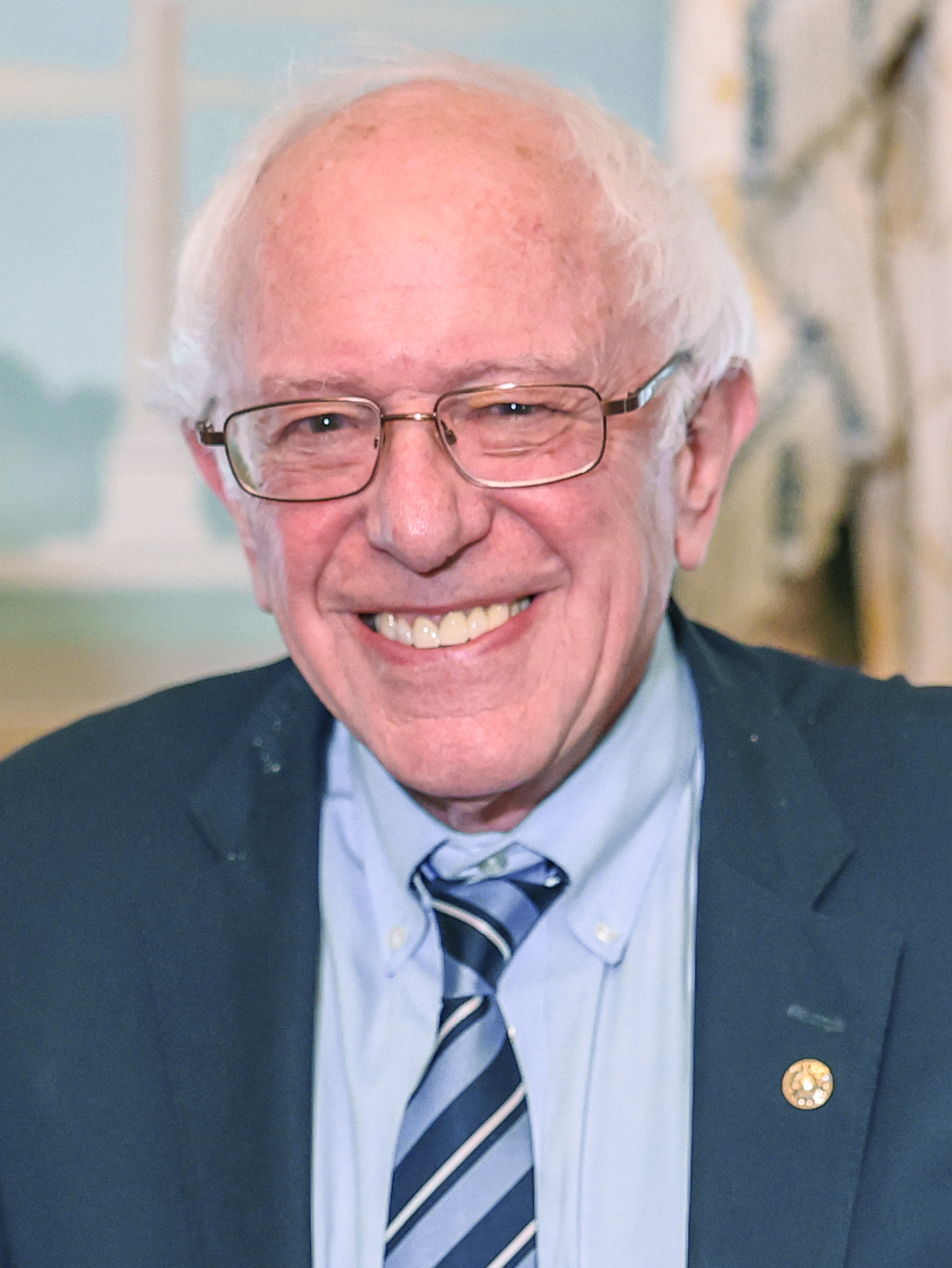
“Look, you wanna get on television, you go on Fox TV and you say something bad about Bernie Sanders, get you some coverage,” Sanders said, according to HuffPost’s account of the interview.
Sanders did not announce a new political move against Fetterman. His response was instead a blunt assessment of a former ally whose public positioning has increasingly set him apart from much of the party’s progressive wing.
Fetterman questioned Sanders’s record
Fetterman’s criticism went beyond a disagreement over policy. In a Fox News appearance cited by HuffPost, he argued that Sanders had never won a competitive election outside Vermont and said Sanders should not lecture him about winning elections.
Fetterman also accused Sanders of backing candidates he characterized as volatile and dangerous, saying such candidates could endanger Democratic-held seats. The comments were aimed at Sanders’s role as a prominent progressive endorser and movement figure, not merely at a single Senate dispute.
That distinction helps explain why the rhetoric drew attention. Sanders has spent decades using his national profile to support candidates who favor his brand of economic populism, while Fetterman has increasingly argued for a different approach to Democratic electability.
Maine became the immediate flashpoint
The feud intensified around Graham Platner’s now-suspended Senate campaign in Maine. Sanders had initially endorsed Platner, then urged him to leave the race after allegations of sexual assault emerged, according to HuffPost.
Fetterman used especially harsh language in criticizing Sanders over that episode, calling him a “carnival barker for an accused rapist,” HuffPost reported. The allegation and Sanders’s response to it became central to the political argument between the two senators.
The episode illustrates the risks of endorsement politics. High-profile backers can help lesser-known candidates gain money, volunteers and national attention, but they can also face scrutiny when a campaign is engulfed by controversy. Sanders’s decision to encourage Platner to suspend his campaign did not prevent Fetterman from treating the endorsement as evidence of poor judgment.
From progressive allies to rivals
The public rupture is striking partly because Sanders and Hasan both said they had supported Fetterman in earlier races. Fetterman was once widely viewed as a progressive figure, including during his successful run for Pennsylvania lieutenant governor and his later Senate campaign.
Since entering the Senate, Fetterman has taken positions that have alienated many progressives, most prominently on U.S. support for Israel. Hasan told Sanders that Fetterman had become openly critical of the left on several issues; Sanders did not dispute the broader characterization of their split.
There is a fair political case behind each side’s posture. Fetterman’s approach may appeal to voters who dislike rigid party alignment and want Democrats to engage audiences outside their usual media ecosystem. Sanders’s allies, meanwhile, see Fetterman’s Fox News appearances and attacks on fellow Democrats as lending ammunition to political opponents while weakening a coalition that needs unity.
Party-switch speculation adds pressure
The dispute has unfolded alongside speculation about whether Fetterman could leave the Democratic Party. When Hasan asked Sanders about that possibility, Sanders said it was possible.
Fetterman has rejected the idea that he plans to leave. In an op-ed referenced by HuffPost, he said he intended to remain a Democrat and argued that working across party lines was necessary. He also said he would consider leaving only if the party formally adopted a platform position that it would never support aid for Israel.
HuffPost also cited a Quinnipiac University poll showing Fetterman with a 48% overall approval rating among Pennsylvania voters, with sharply divergent views by party identification. The report said 69% of Democratic respondents disapproved of his Senate performance while 77% of Republican respondents approved. Poll results are a snapshot rather than a prediction, but the partisan divide helps explain why Fetterman’s standing has become part of the argument.
The disagreement is bigger than television
Neither senator’s comments settle the underlying questions. Democrats still face a basic strategic divide over whether electoral success depends on energizing progressive voters, winning more independents and disaffected Republicans, or building some combination of both.
Sanders’s “sad state of affairs” line conveyed frustration with the spectacle of a Democratic senator criticizing him on a conservative-leaning cable platform. Fetterman’s comments conveyed a different frustration: that prominent progressives, in his view, too often confuse ideological intensity with winning campaigns.
For now, the exchange appears to be a political argument rather than a formal break. But it offers a clear measure of how far Fetterman has moved from the coalition that once embraced him—and how willing Sanders is to publicly say so.







Leave a Reply