
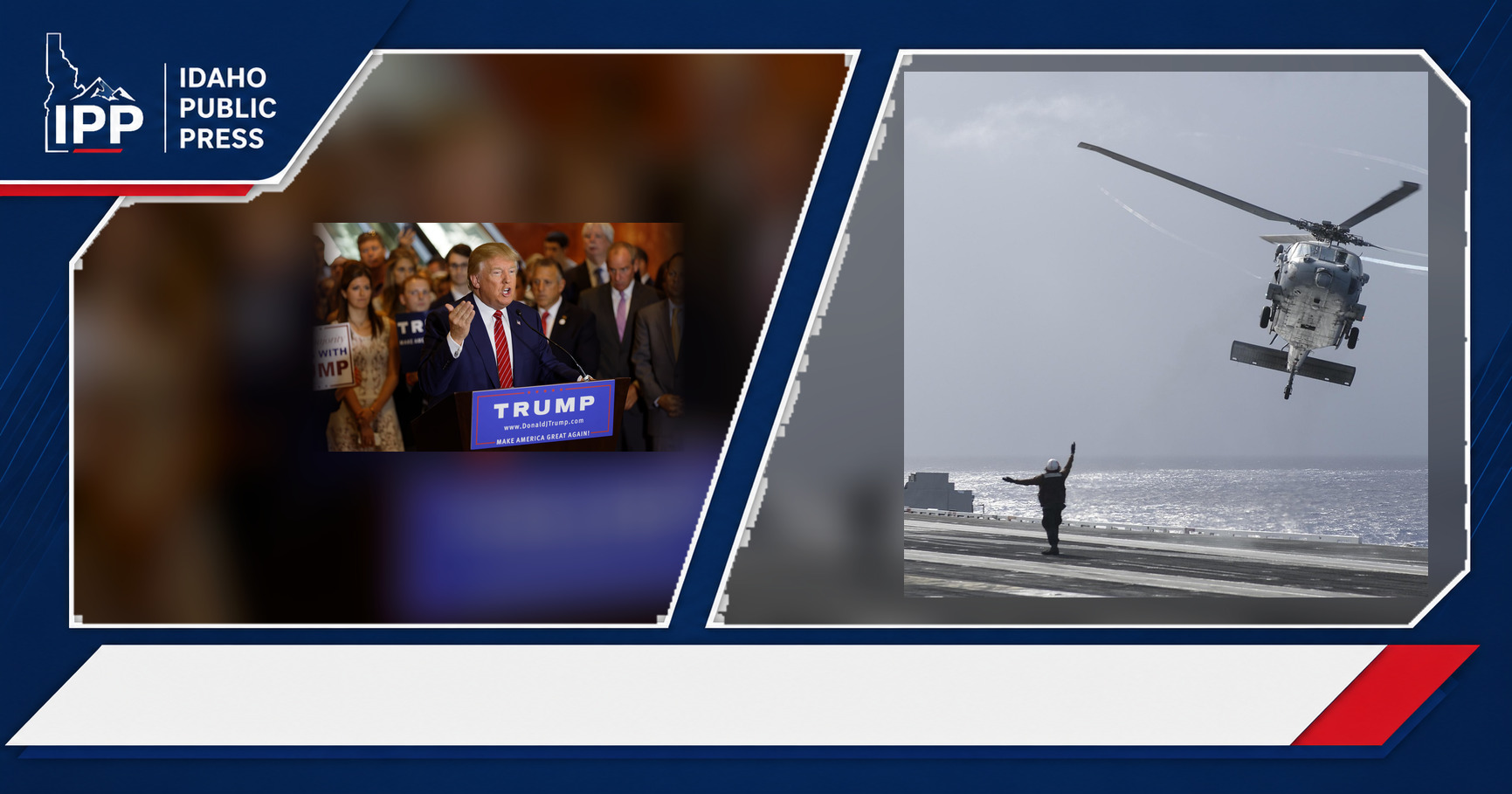
Trump’s response to reports of shortages, failing facilities and exhausted sailors has put the focus on what military families say is happening aboard the carrier. The Navy and Pentagon face pressure to address what is confirmed, what is disputed and what support crews need.
Donald Trump dismissed military families’ concerns about conditions aboard the USS Abraham Lincoln, saying the ship’s deployment in the Arabian Sea had been “not nearly long enough.” The aircraft carrier has been deployed for nearly nine months, and families have reported worsening living conditions that include food shortages, broken toilets, moldy showers, water concerns and disrupted mail.
Trump said the USS Abraham Lincoln was moving or about to move and would be replaced by a similar ship. But his answer has intensified attention on the gap between the president’s view of the mission and the accounts from families worried about the sailors carrying it out.
Trump’s answer drew new scrutiny
When asked about family concerns, Trump’s initial response was blunt: “No, they’re not.” Asked whether the extended deployment had lasted too long, he said it was “not nearly long enough.”
The remarks did not directly address the specific complaints families have raised. Nor did Trump explain why the deployment length should continue to be viewed as acceptable amid reports of deteriorating conditions aboard the carrier.
His reference to a replacement ship suggests a transition may be underway, but it leaves major practical questions unanswered: when relief will occur, how the crew’s reported problems will be assessed and whether any immediate repairs or support measures are being taken.
What families say sailors are facing
Families of service members aboard the Lincoln have described a cluster of concerns rather than one isolated equipment failure. According to reporting by The Washington Post, those accounts include limited food, malfunctioning toilets, mold in showers, possible water contamination and mail-system problems that have delayed care packages.
Those reports have become especially consequential because a carrier is not simply a workplace that personnel can leave at the end of a shift. Sailors live in close quarters while maintaining flight operations, machinery, security and other around-the-clock demands of a deployed warship.
Military Times also reported that at least two sailors had attempted to go overboard during the extended deployment. The outlet cited families, including one spouse who attributed her husband’s attempt to burnout. Those accounts are serious allegations and should be distinguished from official findings; the available reporting does not establish a full public account of the incidents or their causes.
Deployment strain is not just logistical
Long deployments place pressure on ships, crews and families at home even when basic systems are functioning as intended. Delayed mail, inconsistent communications and uncertainty about return dates can compound the strain for people separated from spouses, parents and children.
For sailors, conditions such as unreliable sanitation, limited food or concerns about drinking water carry a different weight during a deployment that cannot be easily interrupted. Morale, readiness and safety are closely connected, particularly on a nuclear-powered aircraft carrier where the crew’s work supports a much larger air wing and strike-group mission.
That is why the dispute is not only about whether the Lincoln stayed at sea too long. It is also about whether concerns raised by families are being heard early enough to prevent ordinary wear and fatigue from becoming a more serious readiness or welfare issue.
The Pentagon disputes the portrayal
The administration has pushed back on the broader depiction of conditions aboard the ship. Reuters reported that Defense Secretary Pete Hegseth said reports about poor conditions on the carrier were being misrepresented.
That creates two competing accounts. Families describe persistent problems affecting daily life aboard the Lincoln, while Pentagon leadership argues that the reporting does not fairly capture the situation. Both claims point to the need for clearer public information about the ship’s maintenance, supplies, medical support and crew welfare.
A dispute over characterization should not be mistaken for a final answer about underlying facts. Public reporting so far does not provide a complete official accounting of which complaints have been verified, what has been repaired or whether the Navy has identified systemic failures.
Why Trump’s wording matters
Presidents routinely defend military missions and avoid signaling weakness during overseas operations. Supporters of Trump’s stance may argue that a carrier’s deployment should be judged by strategic need, not by a political timeline, and that a replacement vessel indicates the Navy is managing the rotation.
Critics see a different problem: dismissing families before addressing their evidence can make servicemembers and relatives less likely to report problems through official channels. The military depends on confidence that safety, mental health and living-condition concerns will receive attention without being treated as a challenge to the mission itself.
The central tension is not hard to see. The United States may need the Lincoln’s capabilities in the region, while sailors still need reliable food, sanitation, water, rest and support. Strategic necessity does not eliminate the obligation to explain how those needs are being met.
What remains unclear for the Lincoln
Trump’s comments offered no timetable for the USS Abraham Lincoln’s relief or return, beyond his statement that another similar ship would replace it. The public also lacks a detailed official response to the individual allegations from families.
Key unanswered issues include whether the Navy has inspected the reported water and sanitation problems, whether food-supply concerns have been resolved, and what mental-health resources are available to sailors after months at sea. Officials have not publicly laid out a comprehensive response in the material currently available.
The immediate story, then, is not simply that Trump defended a long deployment. It is that military families raised specific welfare concerns, the president dismissed them, and the government now faces a basic accountability test: provide a credible explanation of conditions aboard the carrier and show how the crew will be supported through its transition.









Leave a Reply