
The backlash is not just about taste. It lands amid broader concern that political AI imagery is making it harder for audiences to separate jokes, attacks and fabricated scenes.
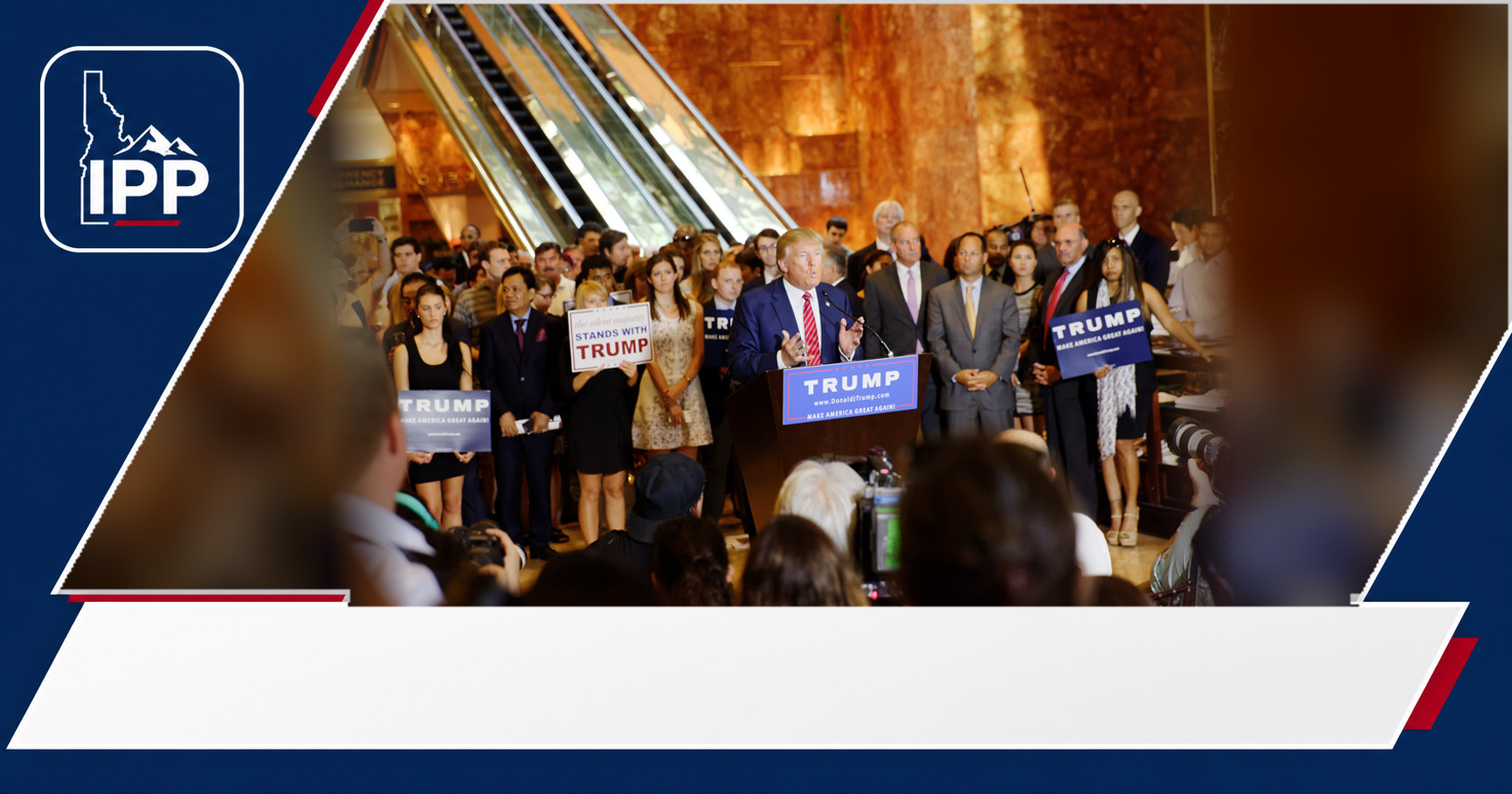
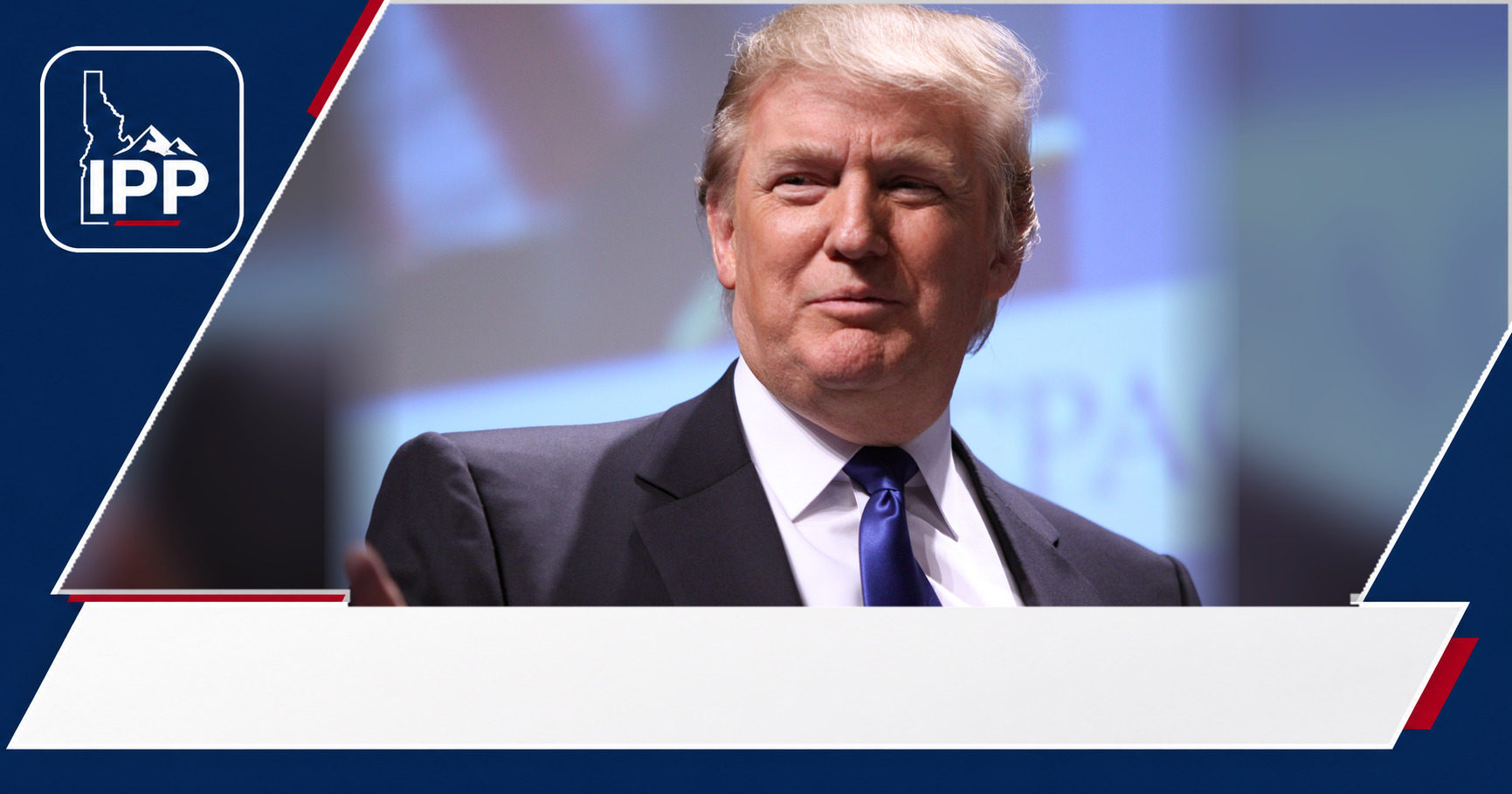
Donald Trump posted 14 AI-generated memes targeting political foes and celebrities, according to an Irish Star item syndicated on MSN, and the backlash to Trump’s AI memes was immediate: critics told Trump to get help and called the images repulsive. The episode matters now because synthetic political imagery is no longer just internet clutter. When a president’s persona, campaign-style messaging and celebrity attacks blend with AI visuals, the joke can become a test of trust.
The available trend signal identifies the posts as AI-generated memes aimed at political opponents and celebrities. It does not establish the full list of targets, the exact platform used for every post or whether the images were clearly labeled as AI, which is why the larger question is not only what Trump posted, but how viewers are expected to read it.
The posts were the point
The Irish Star/MSN item framed the burst as 14 AI memes that critics found offensive enough to describe as “repulsive.” That wording matters because it shows the reaction was about more than ordinary political mockery. AI images can exaggerate, degrade or fabricate a scene while still carrying the speed and emotional punch of a meme.
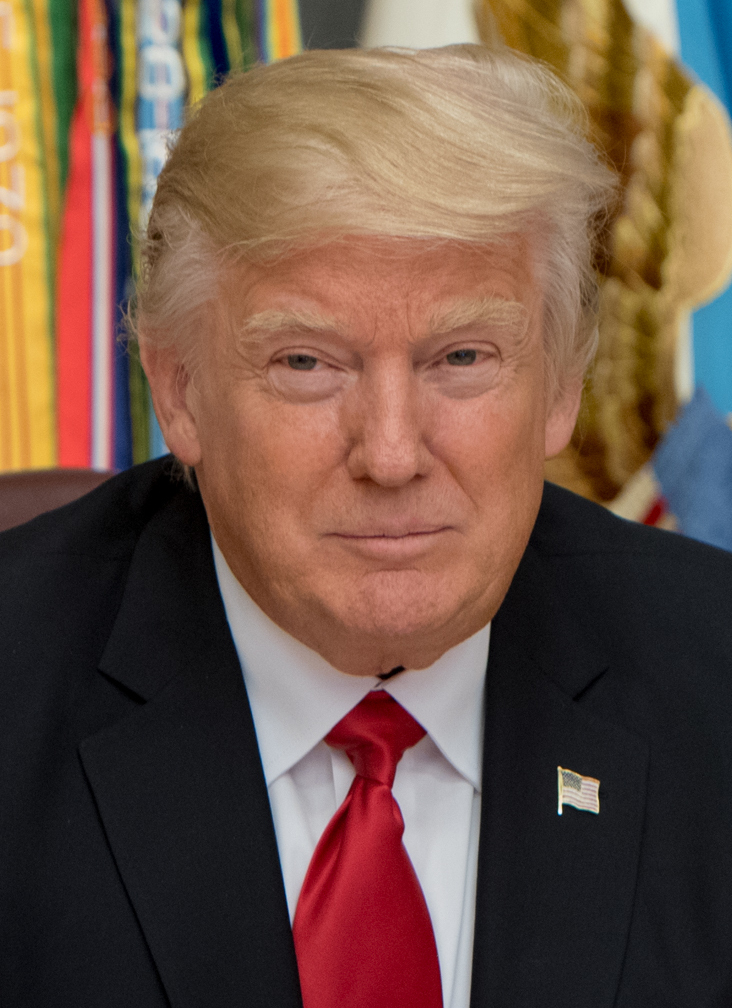
Trump has long used social media to bypass traditional filters, attack rivals and amplify material created by supporters. AI tools make that style easier to scale. A crude joke that once required a Photoshop-savvy volunteer can now be generated in seconds, remixed repeatedly and posted into a political ecosystem built to reward outrage.
That is also why “critics told Trump to get help” landed as a headline-ready response. It was less a clinical claim than a political rebuke: a way of saying the posts crossed a line from combative messaging into something opponents viewed as disturbing or unfit for the office he holds.
Why “get help” landed
There are two separate issues tangled together here. One is taste: whether a political figure should be posting AI-generated insults aimed at enemies and celebrities. The other is trust: whether powerful accounts should circulate synthetic visuals that blur what happened, what was imagined and what was created for effect.
Critics tend to see the memes as a sign of coarsening politics, especially when the targets include people outside the formal political arena. Celebrity mockery can draw a broader audience, but it also turns political communication into spectacle. The result is a feed where governing, campaigning and trolling can look almost identical.
Supporters often read the same posts differently. To them, meme warfare is part of modern politics, a way to mock elites, bait hostile media and speak in the visual language of online communities. The outrage, in that view, is not a side effect. It is proof the message traveled.
That split helps explain why AI memes keep appearing despite criticism. They work on two audiences at once: insiders who get the joke and opponents who amplify it while condemning it.
AI jokes carry real weight
The wider concern has been documented beyond this single batch of posts. A PBS report published with Associated Press material said the Trump administration’s use of AI-generated and edited images has worried misinformation experts who fear it erodes public perception of truth.
One example cited in that report involved an altered image of civil rights attorney Nekima Levy Armstrong after her arrest. According to the report, Homeland Security Secretary Kristi Noem’s account posted an original image before the official White House account posted an altered version showing Armstrong in tears. That case was not merely a cartoonish gag; it raised alarms because a realistic-looking edit can reshape how people understand a real event.
Cornell information science professor David Rand told the AP that calling an altered image a meme can appear to cast it as a joke and shield it from criticism. The key distinction is whether viewers immediately understand an image as absurd satire or whether it can be mistaken for documentation.
That distinction is central to the Trump meme backlash. If an AI image is obviously fantastical, audiences may process it as political theater. If it looks plausible, moves quickly and comes from a high-profile account, it can harden into a false memory before fact-checkers catch up.
The White House meme playbook
The administration has not hidden its appetite for online provocation. In the AP/PBS report, White House deputy communications director Kaelan Dorr wrote on X that the “memes will continue” after criticism of the altered Armstrong image. White House Deputy Press Secretary Abigail Jackson also shared a post mocking the criticism, according to the report.
That posture reflects a larger communications strategy: treat outrage as distribution. A conventional press statement may reach people who already follow politics. A provocative image can leap across platforms because critics, fans and journalists all react to it.
Republican communications consultant Zach Henry, founder of the influencer marketing firm Total Virality, told the AP that people who are “terminally online” may instantly recognize a meme, while older or less plugged-in viewers may not. That gap is exactly where confusion can grow. The same picture can be satire to one viewer and evidence to another.
For readers, the practical difference is worth spelling out:
- Cartoonish satire signals that it is not showing a real scene, even if the message is harsh.
- Realistic alteration can make a person appear to do, say or feel something they did not.
- Unlabeled synthetic media forces the audience to investigate before they can interpret it responsibly.
What critics and defenders see
Critics argue that political leaders have a higher responsibility than ordinary meme accounts. Michael A. Spikes, a Northwestern University professor and news media literacy researcher, told the AP that government should be a place where people can trust information to be accurate and verified. Sharing manipulated media from official channels, he warned, feeds an existing crisis of institutional trust.
Ramesh Srinivasan, a UCLA professor and host of the Utopias podcast, made a similar point in the AP report: AI systems can amplify the problem of people not knowing where to turn for reliable information. His concern is not just one doctored image, but the permission structure it creates. If powerful figures normalize unlabeled synthetic content, others may follow.
Defenders of political memes usually counter that voters are not so fragile, that satire has always distorted reality and that the outrage over Trump’s posts is selective. Campaigns, activists and anonymous accounts across the political spectrum use AI tools, cheap edits and viral bait. Singling out one politician can look partisan if the standard is not applied broadly.
That counterargument has force up to a point. But reach and authority matter. A fake or altered image posted by a fringe account is different from one boosted by a president, campaign operation or official government channel. The larger the megaphone, the greater the responsibility to avoid misleading the public.
What remains unclear
The biggest unanswered question is the content of all 14 memes: which political foes and celebrities were targeted, how realistic the images looked and whether any were labeled as AI-generated. Without that full inventory, it is not possible to judge each image on the same terms.
Still, the backlash itself is revealing. It shows that AI imagery has moved from novelty to normalized political ammunition, and that the fight over it is no longer theoretical. The dispute is now happening post by post, image by image, with audiences left to decide whether they are seeing a joke, an attack or a manufactured version of reality.
The clean takeaway is this: Trump’s meme posts may be dismissed by supporters as trolling and condemned by critics as repulsive, but the deeper issue is bigger than one social media burst. Political AI images are becoming a test of credibility for the people who post them, the platforms that spread them and the audiences asked to make sense of them at speed.

Leave a Reply