

The attack puts a rare but alarming wildlife encounter in a residential setting. Officials have not publicly detailed the girl’s injuries or what drew the bear to the property.
An adult black bear attacked a 3-year-old girl in British Columbia on Sunday while she was playing on her family’s backyard deck in Maple Ridge. The girl was taken to hospital after the attack, and the British Columbia Conservation Officer Service was involved in the response.
The reported attack is a stark reminder that bear encounters are not limited to remote trails. What remains unclear is the girl’s medical condition, the circumstances immediately before the attack and whether authorities have located the bear.
A backyard attack in Maple Ridge
The central fact is unusually direct: a young child was attacked by a black bear at home, rather than during a hike or camping trip. The incident occurred on the family’s deck in Maple Ridge, a city east of Vancouver where residential areas sit close to forested habitat.
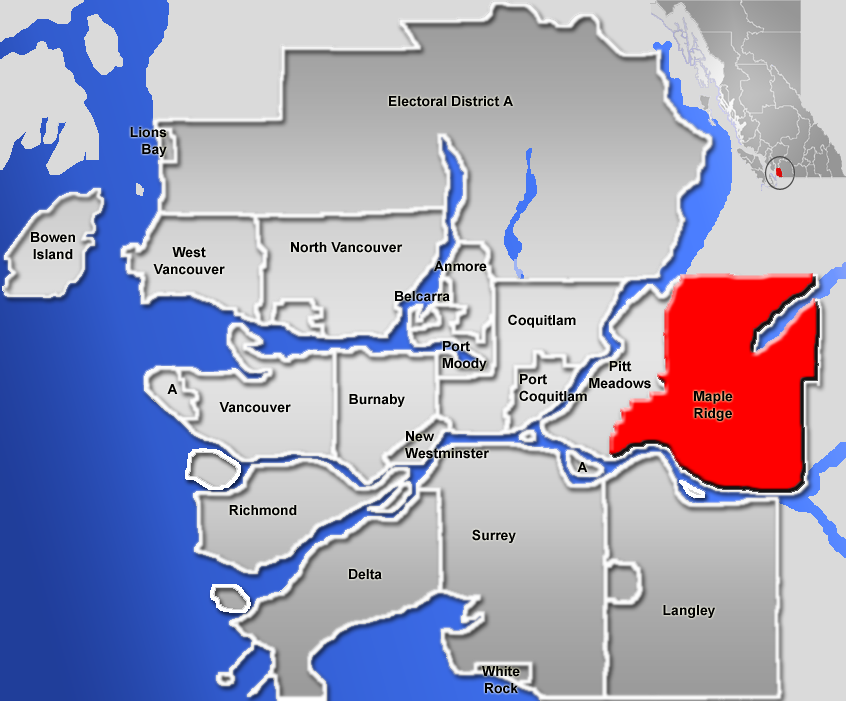
That setting matters because it can create a false sense of security. Bears may move through neighborhoods in search of food, and a deck, garden or driveway can become part of an animal’s route through an area.
There is no public information in the available reporting establishing why this bear approached the property, whether it had been seen nearby before, or whether food, garbage, fruit trees or another attractant played a role. Those details should not be assumed before investigators provide them.
What is known about the child
The girl, who is 3 years old, was transported to hospital after the attack. No further verified information about the extent of her injuries or her condition has been provided in the source material available for this report.
In a case involving a child, that absence of detail is significant. Initial reports often establish the emergency response before authorities or family members release medical updates, and responsible coverage should not fill that gap with speculation.
The British Columbia Conservation Officer Service’s involvement signals that the event is being handled as a wildlife incident, not simply an isolated medical call. Conservation officers commonly assess public-safety risk, investigate reports involving dangerous wildlife and determine what action may be needed.
Rare does not mean risk-free
Bear attacks on people are rare, according to the U.S. National Park Service, which stresses that most bear encounters end without injury. Still, bears are wild animals whose behavior can be unpredictable, especially when they are surprised, defending food or cubs, or have become accustomed to human food sources.
The distinction between rarity and impossibility is important. A low-probability event can still carry severe consequences, particularly when a small child is involved and an encounter happens at very close range.
Black bears are generally smaller than grizzlies, but that does not make a close encounter harmless. Their behavior cannot be reduced to a single rule, and officials’ instructions can vary by location and circumstances.
Guidance for an unexpected encounter
General bear-safety guidance is designed to prevent an encounter from escalating, not to guarantee an outcome. The National Park Service advises people who notice a bear to stay calm, speak in a low voice and avoid sudden movements or high-pitched screams.
For families, one point is especially relevant: pick up small children immediately when a bear is nearby. Children can move unpredictably, and bringing them close helps adults keep control of the situation.
- Do not run. Bears can move quickly, and fleeing may trigger pursuit.
- Do not approach or feed the animal. Leave it room to move away.
- Make your presence known calmly. Talking in a normal, low voice can help a bear identify people.
- Move away slowly if possible. Avoid cornering the bear or blocking an escape route.
- Seek a secure place. A building or vehicle can provide protection when available.
The NPS also draws a critical distinction for a black bear attack: do not play dead. Its guidance says to escape to a secure place if possible; if escape is not possible, fight back with available objects and aim blows at the face and muzzle. Those are emergency measures, not substitutes for local official advice.
Residential bear safety starts early
For homeowners, reducing attractants is often the practical part of bear safety. Garbage, pet food, bird feed, outdoor refrigerators, compost, fallen fruit and barbecue residue can all make a property more appealing to wildlife.
That does not establish that any such attractant was present in Maple Ridge. It does explain why wildlife agencies routinely urge residents in bear country to secure food and waste before an animal arrives.
Families can also make outdoor play more deliberate during periods of reported bear activity. Adult supervision, a quick scan of yards and decks, and keeping children close when wildlife has been spotted nearby are simple precautions that do not require treating every backyard as a danger zone.
Questions investigators still face
The key unanswered questions are whether the bear remained in the area, how it behaved before and after the attack, and what response conservation officers will take. Wildlife officials may use witness accounts, reports of previous sightings and evidence from the scene to assess whether an animal poses an ongoing public-safety threat.
There is also no confirmed public account of the girl’s recovery beyond her transport to hospital. Any update on her condition, or on the status of the bear, will need to come from the family, health officials or the British Columbia Conservation Officer Service.
For now, the Maple Ridge incident is a sobering example of why bear awareness belongs in residential communities as well as backcountry plans: rare encounters can develop quickly, and basic preparation can give families more time and options when wildlife appears close to home.










Leave a Reply