
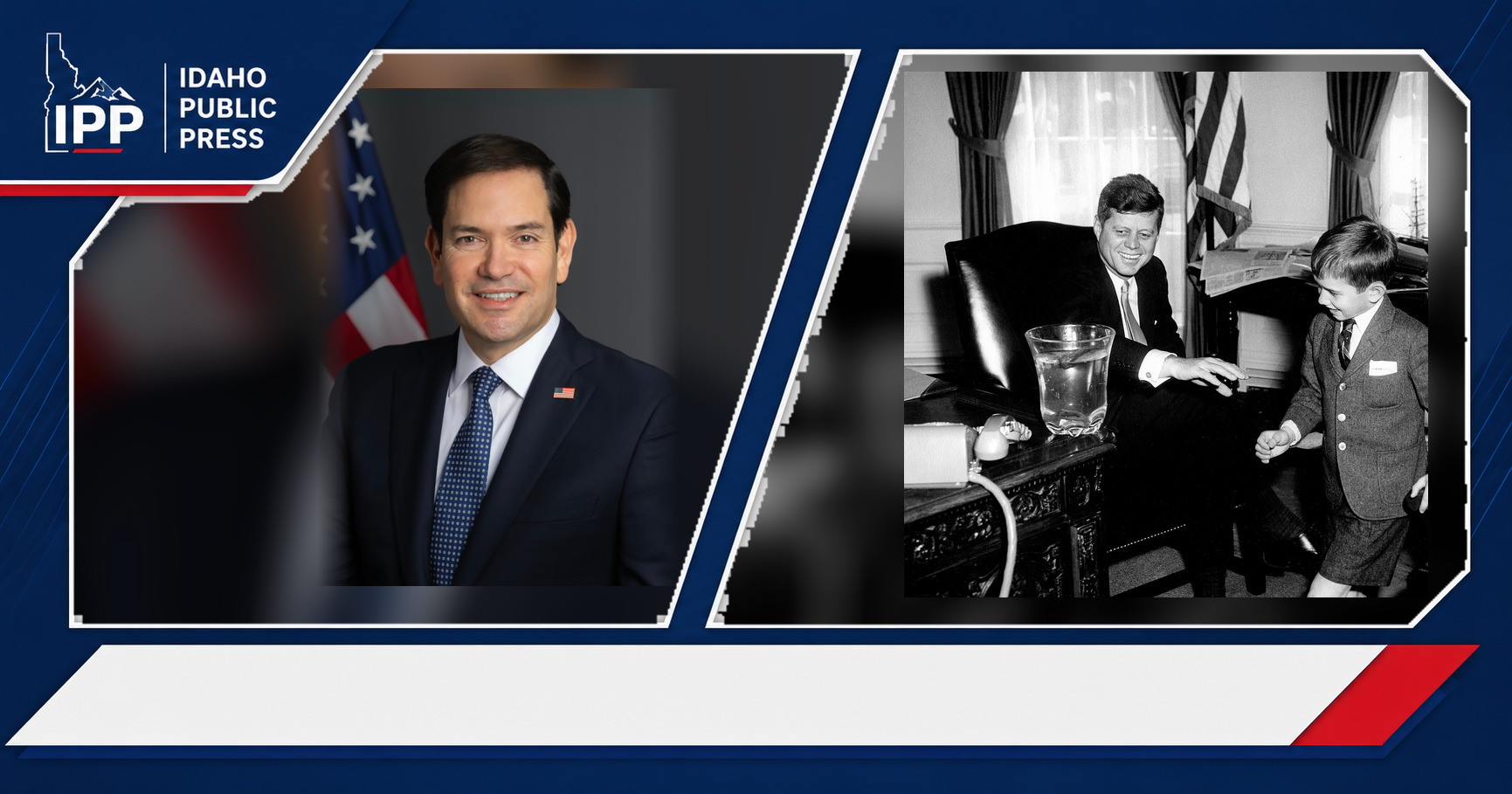
Rubio’s Senate testimony put a public spotlight on a policy fight between the State Department and Health Secretary Robert F. Kennedy Jr. The immediate question is Gavi funding, but the larger issue is who controls America’s global health role.
On Tuesday, June 2, 2026, Secretary of State Marco Rubio and Health Secretary Robert F. Kennedy Jr. became publicly embroiled in a dispute over the United States’ participation in Gavi, the global vaccine alliance. After Kennedy withdrew the United States from the program, Rubio told senators that the State Department was “going to be re-engaging on the issue of Gavi,” signaling that the country could resume funding or otherwise return to the alliance.
Rubio also rebuked Kennedy’s handling of the decision, saying the department would not simply “yank” the matter away from him or disregard his views while making clear that State was taking back a leading role. That clash explains why Rubio was portrayed as having had enough of Kennedy and why the dispute escalated publicly. The phrase “This is crazy” appears in the source headline; the available account does not establish it as a verified direct quote from Rubio.
Rubio signals a policy reset
Rubio’s comments came during testimony before the Senate Foreign Relations Committee, where he addressed the unsettled U.S. relationship with Gavi. The alliance supports immunization programs in lower-income countries and maintains the global stockpile of Ebola vaccines.
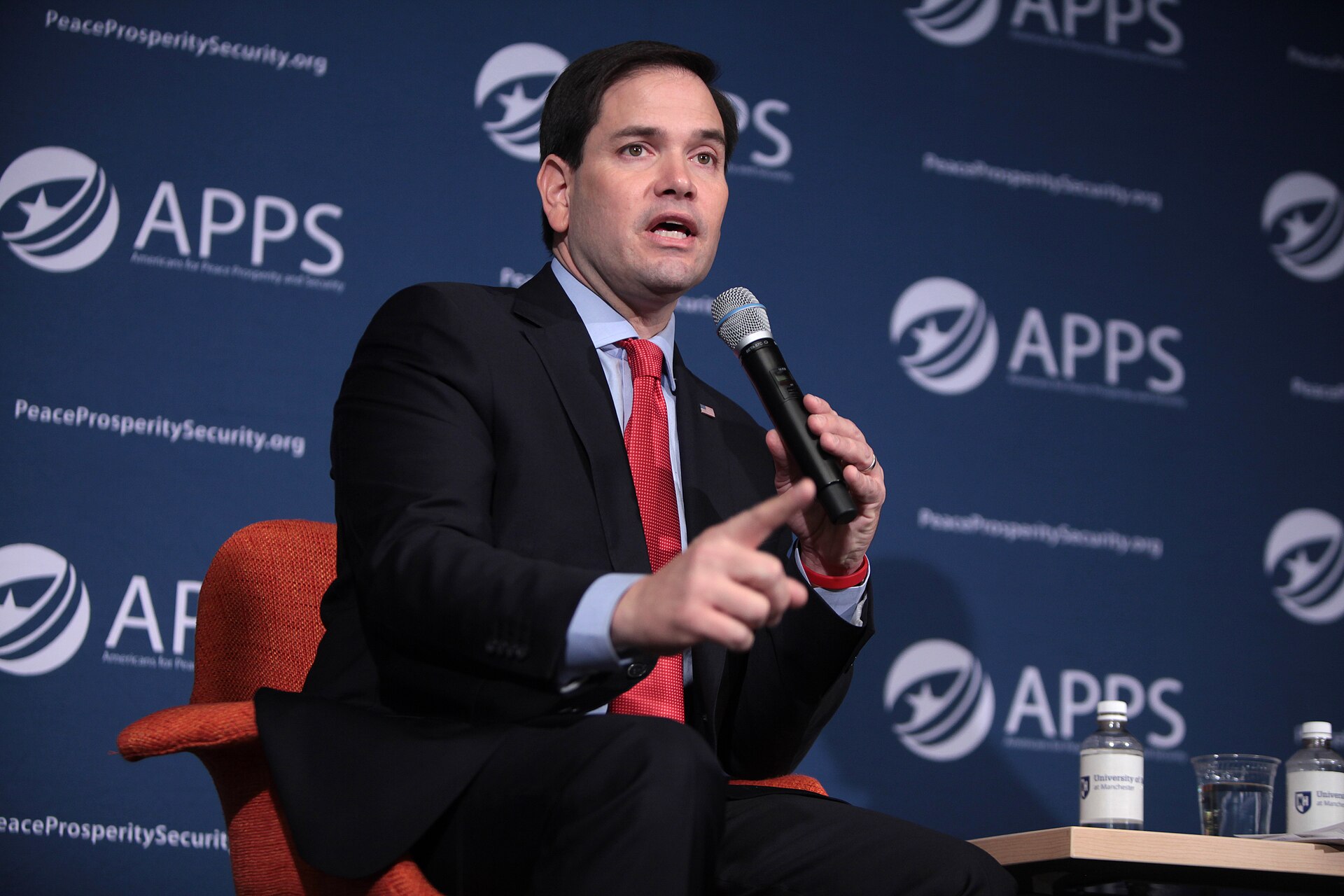
According to The New York Times’ account of the hearing, Rubio said the State Department was “going to re-engage on the issue of Gavi.” That wording did not amount to a final pledge of funding, but it was a marked change from the withdrawal initiated under Kennedy’s direction.
Rubio also said he had decided several weeks earlier that the department would resume managing the relationship. Historically, Gavi has been handled through the State Department, a point that gives his intervention both a practical and bureaucratic meaning.
Kennedy’s role is under scrutiny
President Trump had asked the State Department to let Kennedy play a leading role in deciding whether the United States should fund Gavi, according to Rubio’s testimony. Kennedy, a longtime vaccine skeptic, has made vaccine policy and public-health institutions central subjects of his political career.
Rubio did not say Kennedy had been excluded from the discussion. He told senators that the administration was not going to “yank” the issue away from the health secretary or disregard his views.
Still, Rubio drew a line between hearing Kennedy out and deferring to him. “I wouldn’t use the word defer,” Rubio said, according to the Times. The distinction matters: it suggests Kennedy may retain influence, but no longer has unchecked control over the Gavi decision.
Why the Gavi dispute matters
Gavi is not simply a foreign-aid line item. Its work involves purchasing and distributing vaccines in countries with limited resources, and its Ebola vaccine stockpile can be relevant when outbreaks threaten to spread across borders.
Supporters of U.S. participation argue that vaccine access abroad is also a form of domestic protection. Infectious disease outbreaks do not remain contained by national borders, and U.S. funding can give Washington leverage in shaping international health priorities.
Critics of large global-health commitments raise different concerns: whether U.S. taxpayers should fund international institutions, how closely those institutions should be scrutinized, and whether vaccine programs receive enough independent oversight. Kennedy’s views have resonated with people who distrust established public-health agencies and vaccine policy.
The clash is therefore not only about whether to send money to Gavi. It reflects an argument inside the administration over how much authority public-health officials should have in foreign-policy decisions involving vaccines.
State Department reclaims ground
J. Stephen Morrison, a global-health expert at the Center for Strategic and International Studies, told the Times that Rubio’s move was part of a broader State Department effort to reclaim control of global health from the Department of Health and Human Services.
That institutional tension has consequences. The State Department tends to view international health programs through diplomacy, alliances and national security. HHS is more likely to focus on medical evidence, regulatory questions and domestic health priorities.
Neither approach is automatically incompatible with the other. But competing chains of command can make it difficult for foreign governments and international partners to know who speaks for the United States—or whether a decision will hold.
Rubio’s testimony offered an answer, at least for now: State intends to direct the Gavi relationship again. The public nature of the statement made it especially notable, because cabinet-level disagreements are often handled privately.
Funding remains an open question
Re-engagement is not the same as restored funding. Rubio’s remarks suggested an intention to resume management and negotiations, but the available reporting did not establish how much money the United States might provide, on what timeline, or under what conditions.
It is also unclear how Kennedy will respond to the State Department’s renewed role. Rubio said Kennedy’s perspective would not be ignored, leaving room for the health secretary to shape the eventual policy even if he no longer controls the process.
Congress could be an important part of what comes next. Senators who support Gavi can press the administration for a funding commitment, while critics can demand conditions, reporting requirements or a more detailed accounting of the alliance’s work.
The bigger message from Rubio
The sharpest takeaway from the hearing is not a confirmed final decision on Gavi. It is Rubio’s effort to establish that global health policy can be a foreign-policy matter—and that the State Department intends to be in charge when it is.
That makes the disagreement with Kennedy a test of power as much as a debate about vaccines. If the United States restores funding or formally returns to Gavi, it will show that Rubio’s diplomatic and security arguments prevailed. If re-engagement stalls, Kennedy’s skepticism may still shape the administration’s global health agenda.
For now, the “This is crazy” framing captures the visible tension but should not be treated as a verified line from Rubio’s hearing remarks. His documented message was more measured, and arguably more consequential: the United States needs to re-engage with Gavi and bring the dispute to a decision.



Leave a Reply