
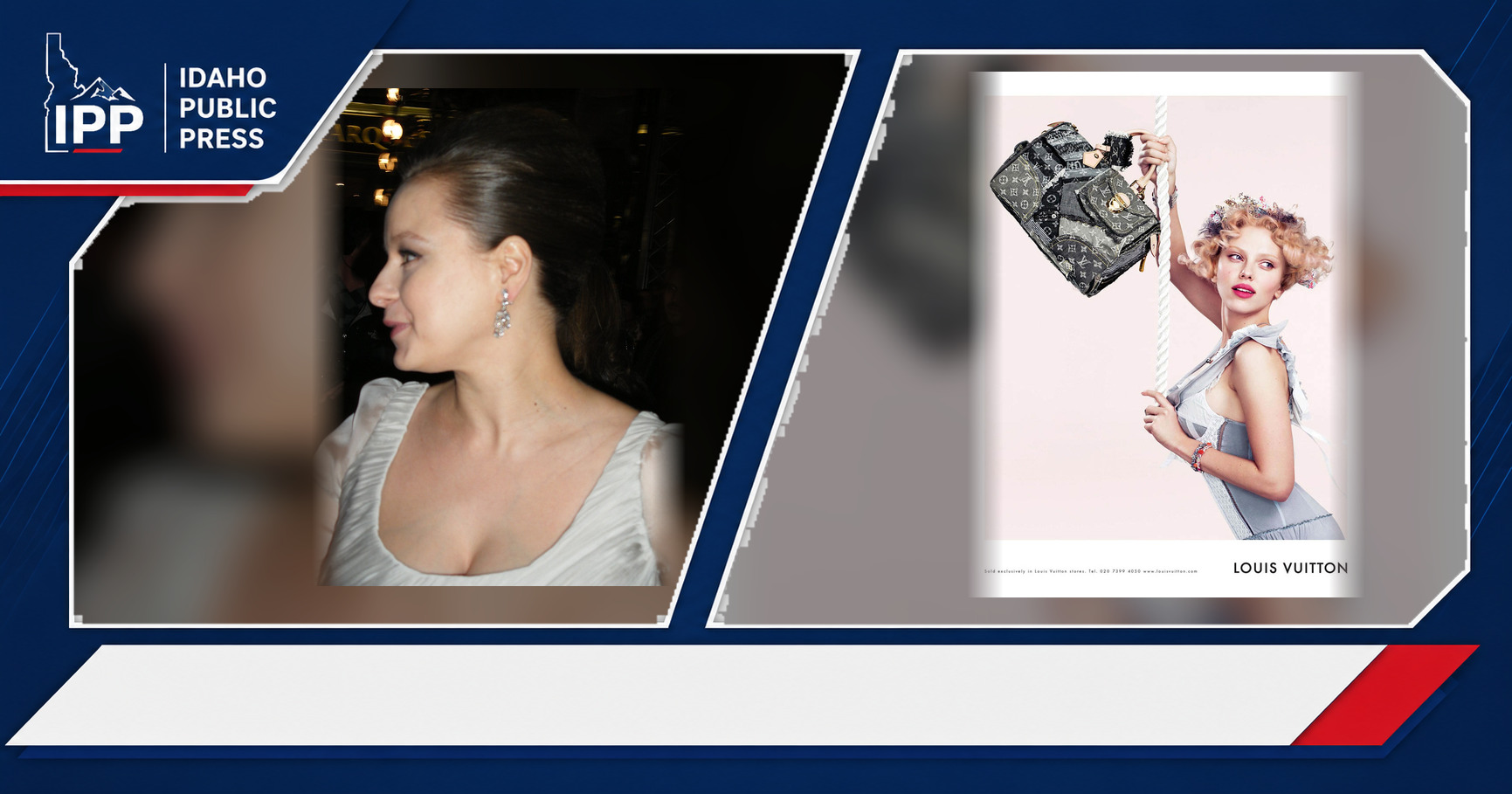
Morton performed alongside Joaquin Phoenix before Spike Jonze recast the AI voice in post-production. Her new comments put a human face on a creative decision that helped define the acclaimed 2013 film.
Samantha Morton reflects on being replaced by Scarlett Johansson as the voice of Samantha in Spike Jonze’s Her, saying the experience was sad and hurtful. Morton had performed the role opposite Joaquin Phoenix before Johansson re-recorded it for the 2013 film, a recasting Morton says she understood even though “it does hurt” to be fired from a project.
The comments matter because Her is remembered in large part for the intimate bond between Phoenix’s Theodore and Johansson’s disembodied AI voice. Morton’s account adds a different story behind that finished performance: one about the work an actor can leave behind when a film changes direction.
Morton had already built Samantha
Morton discussed the experience on the Aug. 3 episode of Josh Horowitz’s Happy Sad Confused podcast, while promoting her work in The Odyssey. She said she was surprised by the decision and called “a little sad” an understatement.
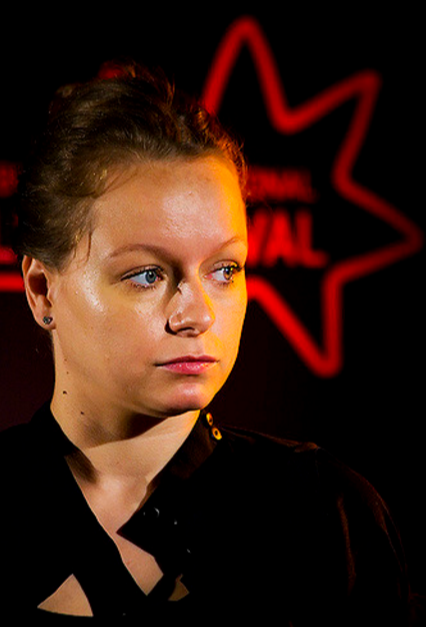
Her involvement was not limited to an early audition or a preliminary recording. Morton said she worked on set with Phoenix, collaborated with Jonze on the script and helped find the character of Samantha.
That distinction explains why the recasting still carries weight. In a conventional voice role, an actor may record separately from the rest of the cast. Morton’s work was more embedded in the production, helping shape the relationship at the center of the movie before the final version took form.
“The time I had on set with Joaquin and working with Spike on the script, and finding Samantha, and all the work that we did was really special,” Morton said. Her point was not that the experience lacked value; it was that a meaningful creative process did not make the outcome painless.
A different voice changed the film
In the released Her, Phoenix plays Theodore, a lonely writer who develops a romantic relationship with an operating system named Samantha. Johansson supplied the final voice performance, which became one of the movie’s most recognizable elements.
Morton said her version of Samantha was “very, very different” from the one audiences heard. One practical difference, she noted, was that her character voice was English.
She said she wished she had been given another chance to record in an American accent in a booth. That does not mean the final role would necessarily have stayed hers, but it identifies the unresolved part of the experience from her perspective: she wanted an opportunity to respond to the filmmakers’ evolving needs.
Morton also made clear she does not place the decision on Johansson. With a light touch, she added, “But Scarlett Johansson, come on!” The remark acknowledged Johansson’s stature while keeping the focus on the wider production choice, rather than framing the two performers as rivals.
Jonze called recasting a necessity
Jonze addressed the change publicly in 2013, before Her reached theaters. Speaking to Vulture, he praised Morton’s work but said that, during editing, he and the team realized the character and film needed something different from what he and Morton had created together.
He described the decision as part of his difficult process of discovering what a movie is, while recognizing that it was not painless for everyone involved. Jonze also said he had known Morton for years and hoped they would work together again.
Both accounts can be true at once. A director may have the authority to rethink a role, especially in post-production, while the actor who committed time, imagination and performance to that role may reasonably feel loss when the work is removed.
Morton herself allowed for that tension on the podcast. She said recasting is “every director’s prerogative,” then returned to the personal reality of it: “I got it, but I was sad.”
The hidden labor behind a final cut
Movies are often discussed as if the released version is the whole story. In reality, editing, reshoots, test screenings, score changes and recasting can alter a project long after key creative work has been completed.
Voice roles can be particularly vulnerable to those revisions because they may be adjusted late in the process. But Morton’s case shows why calling such work replaceable can miss the point. Her performance was part of the development that helped the filmmakers understand what Samantha could be, even if it was not the interpretation eventually selected.
There is also a difference between a decision being common and it being emotionally neutral. Jonze characterized recasting as a familiar part of his filmmaking process. Morton’s comments underscore that industry norms do not erase the impact on the person whose work is set aside.
- For filmmakers: creative flexibility can be essential as a movie takes shape.
- For performers: a completed performance may still be vulnerable to changes outside their control.
- For audiences: a famous final performance can have an unseen creative history behind it.
Her became an awards success
The recasting did not prevent Morton from receiving recognition on the finished film: she earned an associate producer credit on Her. The movie went on to receive five Academy Award nominations, including best picture, and Jonze won the Oscar for original screenplay.
Johansson’s performance became inseparable from the film’s final identity, while Morton’s contribution remained largely invisible to viewers. That contrast is central to why her recollection lands now. The role was not simply one she missed; it was one she had already helped create.
Morton’s career has continued, including her role as Circe in The Odyssey. Still, her remarks avoid an easy redemption narrative. She did not deny Jonze’s right to make the call, and she did not suggest that Johansson was unworthy of the role. She simply named the cost of the process.
What Morton’s comments leave open
There is no indication from Morton’s remarks that she is seeking to reopen an old dispute over Her. Her account instead offers a candid look at a decision that happened more than a decade ago and at the lingering feeling attached to it.
The biggest unanswered question is whether another recording session could have changed the outcome. Morton said she would have wanted that chance; Jonze’s 2013 explanation indicated that the issue was broader than an accent, involving the character and movie the team believed they needed in the edit.
What is clear is that the final cut of Her contains two connected truths. Johansson delivered the voice performance audiences know. Morton helped build Samantha before the film found its final form—and, by her own account, being left out of that form still hurt.





Leave a Reply