
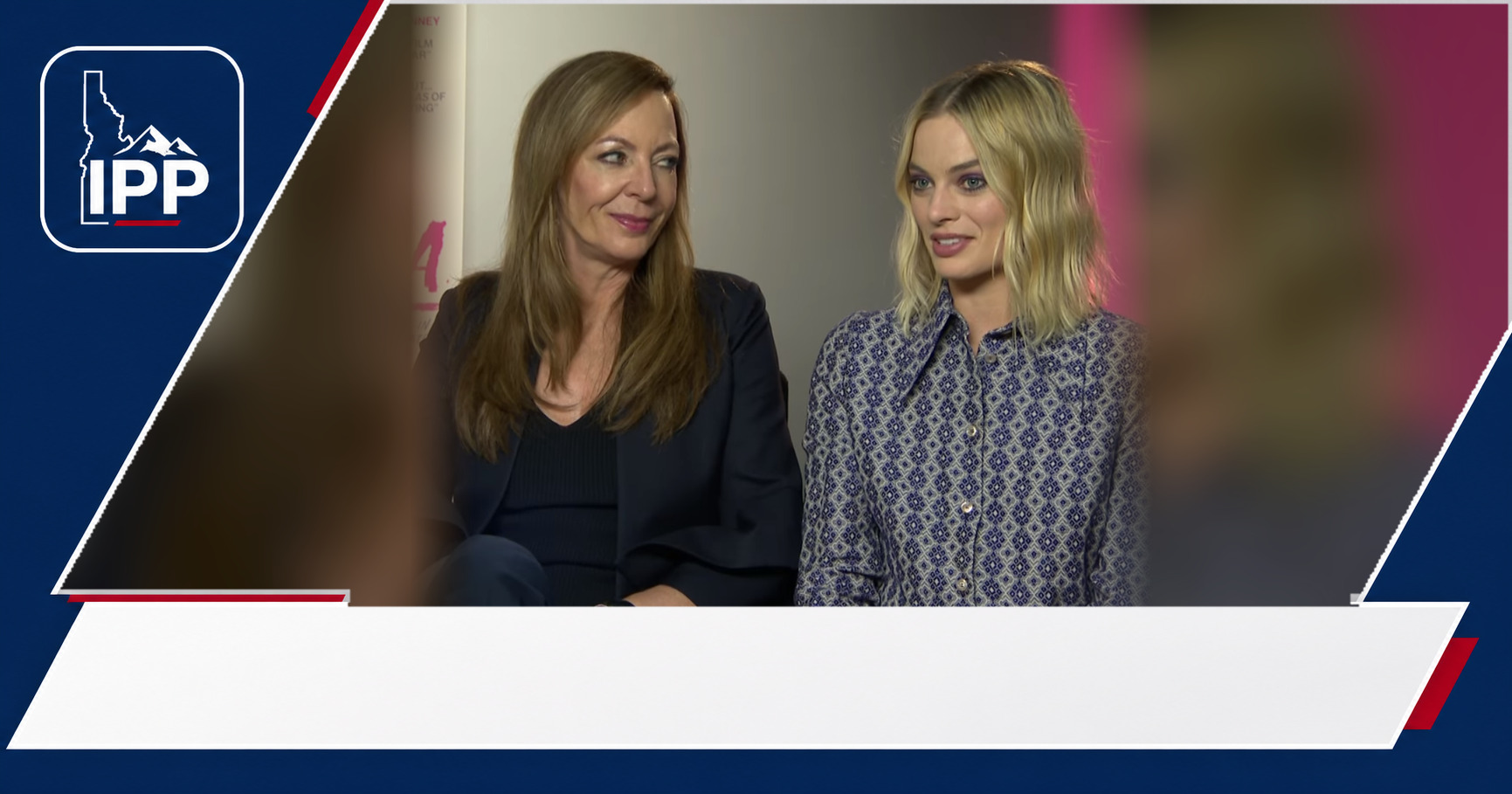
The actor says she does not regret her decision not to have children, while acknowledging the expectations that once shaped how she thought about marriage. Her comments offer a candid look at choosing a life that did not follow the script she once expected.
Allison Janney, 66, has never married or had children, and she spoke candidly about both on Tuesday’s episode of the Reclaiming With Monica Lewinsky podcast. Janney said marriage and children “didn’t happen” for her, revealed that she visited a fertility specialist in her 40s, and said she does not regret not having children.
The actor’s reflections were not framed as a simple rejection of marriage or parenthood. Instead, Janney described the gap between what she once assumed her life would look like and what she ultimately knew was right for her.
Expectations shaped her early view
Janney said she grew up assuming that marriage was part of the usual path. “I always thought I would get married,” she said, explaining that it was simply what she believed people did at the time.
That expectation, though, was different from a settled wish to become a parent. Janney said she had always known, at a deeper level, that she did not want children. The distinction matters: wanting to meet a cultural milestone is not the same as wanting the life that comes with it.
Her comments land in a familiar tension for many adults, particularly women who came of age with strong messages about marriage and motherhood. The expectation can remain powerful even when someone’s own instincts point elsewhere.
Relationships brought the question closer
After moving to New York to pursue acting, Janney said she had long-term relationships with men who also did not want children. But during a four-year relationship in her mid-30s, she began to think that perhaps it was time to try for a family.
She ultimately realized that the relationship was not one in which she wanted to raise children. Janney described the relief of recognizing that, even though ending or rethinking a serious relationship can be painful.
She also spoke about the loneliness of remaining with someone when a relationship no longer feels right. Her account pushes back on the idea that being partnered is automatically the opposite of being alone. For Janney, the more difficult prospect was staying in a relationship that did not fit.
A fertility visit clarified the stakes
Janney said she went to a fertility specialist in her 40s because she felt she should “just try.” There, she said, a doctor told her that the odds of pregnancy were not in her favor.
The appointment also made the state of her relationship harder to ignore. Janney recalled that the partner she was seeing at the time did not come with her, which she took as a meaningful sign about whether they were truly pursuing the same future.
Fertility conversations can carry emotional weight, especially when age, timing and a partner’s readiness collide. Janney did not present the doctor’s assessment as the sole reason she did not become a mother. Her recollection instead suggests that it sharpened questions she was already asking about desire, partnership and timing.
She says regret is not the story
Janney’s central point was not that she had missed out on a life she wanted. She said she does not regret never having children and reiterated that she had long understood parenthood was not something she truly wanted.
She made a similar point in a 2021 appearance on The Drew Barrymore Show, saying she would rather regret not having children than have children and regret becoming a parent. It is a blunt formulation, but one that treats parenthood as a commitment that should be chosen rather than assumed.
That position can be uncomfortable in a culture that often treats childlessness as a temporary condition, a private disappointment or a problem waiting to be solved. Janney’s comments make room for a more complicated reality: a person can confront fertility limits and relationship losses while still feeling at peace with the life that resulted.
Marriage remains a separate question
Janney did not say that she is opposed to love or companionship. In 2021, she said she would like to find someone with whom to share her life, but that she would be fine if it did not happen.
Her public relationship history includes actor Dennis Gagomiros, whom she dated from 1994 to 2001; an engagement to her Our Very Own co-star Richard Jenik that ended in 2006; and a later relationship with production manager Philip Joncas. Those relationships are part of her history, but they do not turn her unmarried status into a failure or a mystery requiring a neat explanation.
Janney also said the great loves in her life include her friends, family and dogs. That detail may sound light, but it reinforces the broader point of her conversation with Monica Lewinsky: a full life is not measured by whether it follows one prescribed sequence of romance, marriage and children.
Why her candor resonates now
Celebrity interviews often reduce private decisions to a tidy headline. Janney’s account resists that. It includes social pressure, changing feelings, an unworkable relationship, a fertility consultation and a conclusion she says she can live with.
There are competing reactions to stories like this. Some may hear loss in the paths that closed; others may hear reassurance in Janney’s refusal to portray motherhood as an obligation. Both can exist in the same story without cancelling each other out.
What remains clear is Janney’s own assessment. Marriage and children did not happen for her, she said, but she is not presenting that outcome as a life left unfinished. She is describing a life shaped by choices, circumstances and a growing confidence in what she wanted.




Leave a Reply