
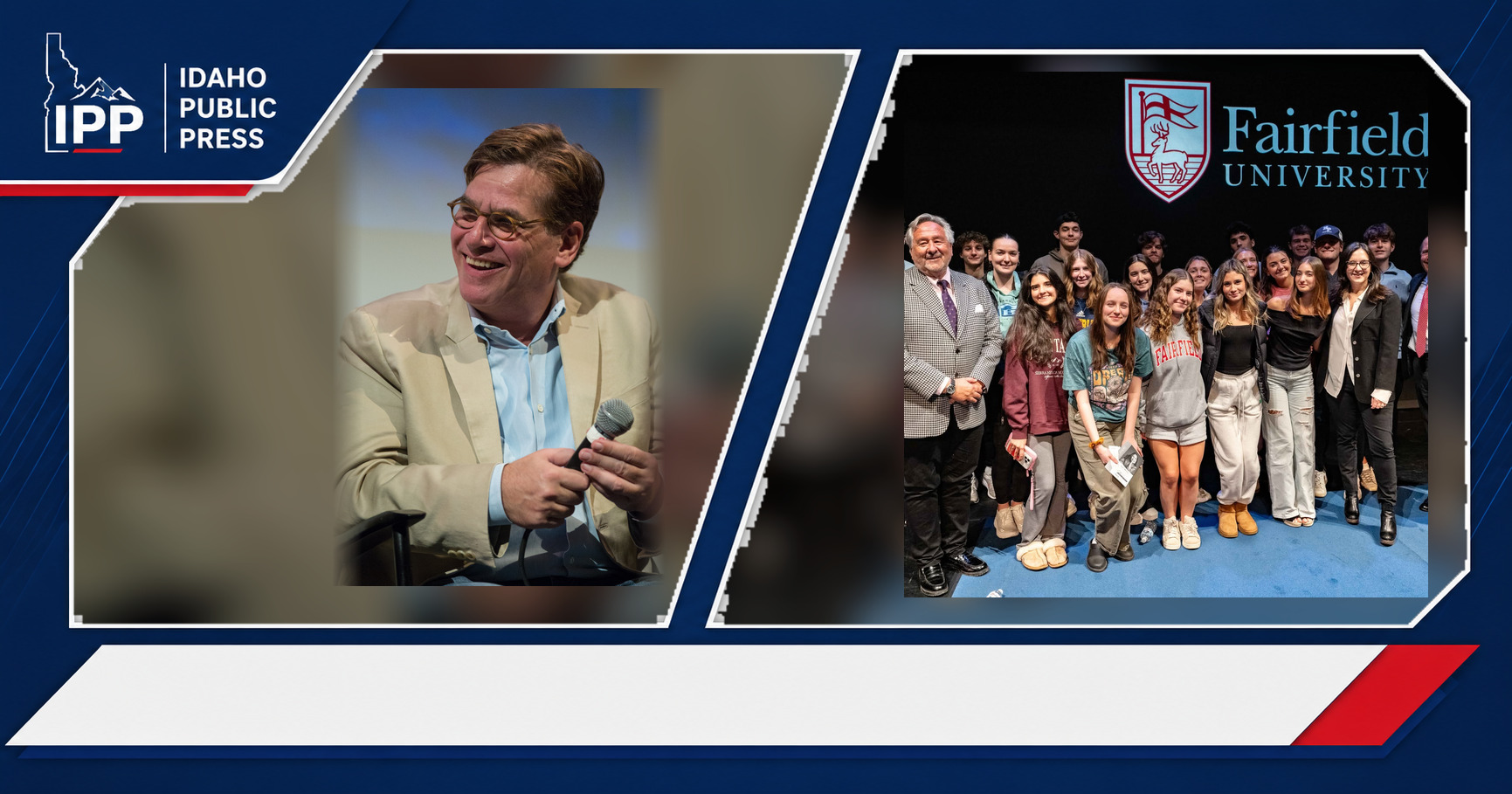
Sorkin’s concern is less about one newsroom decision than the precedent it could set. The dispute over Bari Weiss’ leadership at CBS News has become a test of how news organizations handle contentious reporting and competing demands for balance.
Aaron Sorkin said he is worried about Bari Weiss’s actions at CBS News, arguing that Sorkin believes those actions could open the door to a second blacklist. His warning follows intense scrutiny of CBS News editorial decisions under Weiss, including the decision to pull a planned 60 Minutes investigation into alleged abuses at an El Salvador detention center.
The phrase “second blacklist” carries unusually heavy weight in an entertainment and media industry shaped by past efforts to punish or exclude people over perceived political beliefs. What is known so far is narrower: Sorkin has voiced alarm, while Weiss and CBS have framed a disputed programming decision as a matter of reporting standards, not ideology.
The CBS News decision under scrutiny
NPR reported in December 2025 that Weiss, CBS News’ editor-in-chief, pulled a planned 60 Minutes segment roughly a day and a half before its scheduled broadcast. The report focused on allegations of abuse at CECOT, an El Salvador prison where the Trump administration had sent hundreds of Venezuelan migrants.
According to NPR, Weiss told colleagues that the segment could not air without an on-the-record response from a senior Trump administration official. She said the story did not go far enough beyond reporting already available elsewhere and needed key principals on camera.
The segment’s correspondent, Sharyn Alfonsi, strongly disagreed. In an email reported by NPR, Alfonsi said government officials’ refusal to participate should not become a “kill switch” for stories they find inconvenient.
That disagreement is central to the broader argument. One side sees a demand for fresh sourcing and a high-level response as a defensible editorial requirement. The other sees a dangerous standard if an administration can effectively prevent a report from airing simply by declining an interview.
Why Sorkin invokes a blacklist
Sorkin’s reference to a “second blacklist” does not establish that a blacklist exists at CBS News. It is a warning about a possible direction of travel: a climate in which journalists, producers, writers or on-air talent could fear professional consequences for work viewed as politically unacceptable.
Historically, the word “blacklist” is associated with the mid-20th-century campaign against alleged communists in Hollywood and other American institutions. Careers were damaged when people were denied work or pressured to identify associates because of their political affiliations or suspicions surrounding them.
Using that language now is bound to be contentious. Critics may say it appropriately captures the chilling effect that can arise when politically sensitive journalism is delayed, softened or killed. Others may argue that invoking a historic blacklist over a disputed editorial call risks overstating the evidence.
The important distinction is between an individual editorial judgment and a pattern. A newsroom can change, postpone or reject reporting for legitimate reasons. The concern grows if standards appear to shift only for certain subjects, governments or ideological targets.
Weiss’s case for a different newsroom
Weiss came to CBS News after founding The Free Press, a publication built in part on her view that mainstream news outlets too often approach public life through a reflexively liberal lens. She has argued that news organizations can rebuild trust by making room for debate across the center-left and center-right.
Reuters reported in January that Weiss’s push for more commentators had drawn mixed reactions inside CBS News. Her vision of how a modern network should operate has been welcomed by people who believe television news needs a wider range of perspectives, while some staff members have questioned whether that approach could conflict with the network’s traditional journalism-first mission.
That is the tension beneath Sorkin’s criticism. Greater viewpoint diversity is not inherently the same as censorship, and editorial skepticism is not automatically political interference. But staff members and outside critics are watching for signs that “balance” could become a reason to impose different burdens on reporting that challenges powerful people.
Ownership and politics raise stakes
The CBS dispute is unfolding during a broader period of change at Paramount, CBS News’ parent company. NPR noted that Weiss arrived under new Paramount leadership led by David Ellison, after a period in which the company faced scrutiny over its relationship with the Trump administration and its regulatory interests.
NPR also reported that Paramount’s previous owners paid $16 million to settle Donald Trump’s lawsuit over the editing of a 60 Minutes interview with Kamala Harris. The settlement did not include an apology or admission of wrongdoing, but it intensified concerns among press-freedom advocates about whether corporate and political pressures could affect editorial choices.
Those circumstances do not prove that the pulled CECOT segment was politically motivated. Weiss said it was not ready. Yet the surrounding context explains why the decision attracted far more attention than an ordinary last-minute programming change.
For journalists, the practical question is whether editorial standards are applied consistently. For viewers, it is whether a network’s promised range of viewpoints expands the reporting they can see—or narrows it when reporting becomes uncomfortable for those in power.
What remains unclear at CBS
There is no public evidence in the available reporting that CBS News has adopted a formal policy to blacklist employees, guests or subjects because of their politics. Nor is there a detailed public account of the specific actions Sorkin believes justify his warning beyond the wider controversy surrounding Weiss’s newsroom leadership.
There is also no indication from the reported CBS response that the CECOT investigation was permanently abandoned. A CBS spokesperson told NPR the revised programming announcement said the segment would air at a later date.
Its eventual treatment may matter as much as the initial decision. If the report runs with substantive new reporting and clear editorial reasoning, CBS can point to a rigorous process. If significant investigations repeatedly stall when officials refuse to engage, critics such as Sorkin are likely to see confirmation of their fears.
The real fight is over newsroom independence
Sorkin’s warning has turned a CBS News programming dispute into a larger cultural argument about who gets to define fairness in journalism. The question is not whether every story must air exactly as first produced. Newsrooms need editors, legal review and the ability to correct weak reporting.
The harder question is whether demanding more from a story becomes selectively burdensome when the story threatens a politically connected administration, owner or audience constituency. That is why the clash around Weiss has resonance beyond one broadcast: it speaks to the conditions reporters need to pursue difficult stories without fearing that access, ideology or corporate caution will decide the outcome.
For now, Sorkin’s “second blacklist” language remains a warning rather than a demonstrated fact. But the controversy ensures that CBS News’ next consequential editorial calls will be examined not only for what appears on screen, but for what does not.




Leave a Reply