
The reversal matters because Pirro had publicly embraced the prosecution before her office backed away. It also exposes a bigger fight over whether politics moved faster than proof.
Jeanine Pirro reversed course in the Reflecting Pool case in Washington, D.C., by dropping a felony vandalism charge against David Hearn tied to the Lincoln Memorial Reflecting Pool, and Donald Trump criticized her decision while accusing vandals of causing the damage. The reversal adds to her embarrassing losing streak because it forces a Trump-appointed U.S. attorney to retreat from a case she had publicly promoted.
The immediate question is not only why the charge fell apart. It is why the case was brought as a felony in the first place, and what the episode says about politically charged prosecutions built around presidential grievances.
The charge that collapsed
Pirro, the U.S. attorney for the District of Columbia, announced the case on July 2 with unusually confident language. According to a New York Times account of the filing and public statements, she accused 67-year-old former Olympian David Hearn of damaging what she described as “sacred” government property.
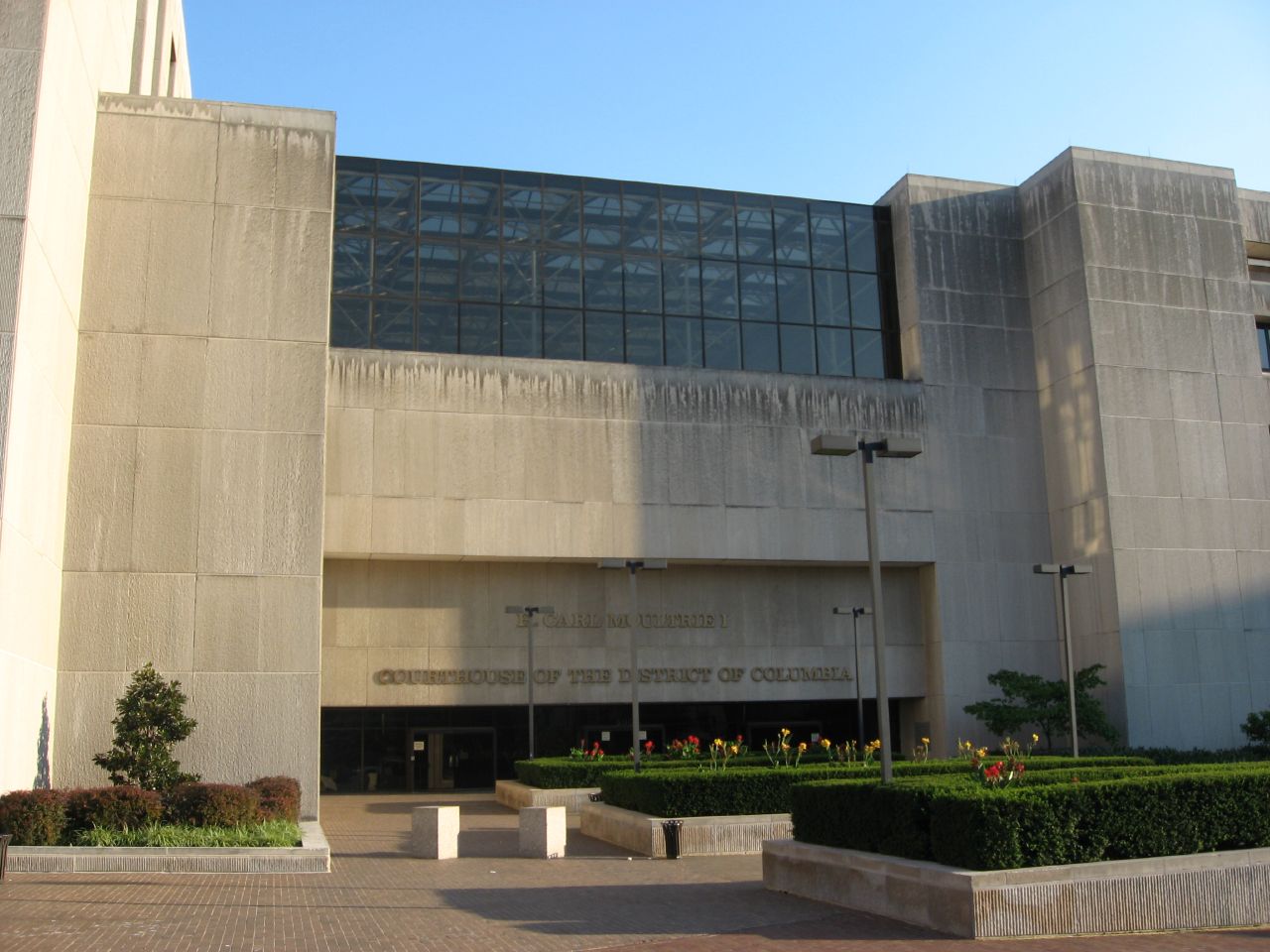
The allegation centered on the lining of the Lincoln Memorial Reflecting Pool. Prosecutors initially treated the case as felony vandalism because the alleged damage crossed the legal threshold of $1,000, a choice that carried a possible 10-year prison sentence.
Then the case turned. Pirro’s office withdrew the felony charge after receiving more information about the pool’s renovation, the condition of the lining and the government’s own handling of evidence. In a 20-page filing described by the Times, her office said the prosecution had been compromised by bad information from agencies involved in the matter.
That is the core of the setback: Pirro did not simply lose a close legal fight. Her office abandoned a case she had made into a public priority.
Trump wanted a vandalism case
Trump made clear he did not accept the retreat. In a Truth Social post, he wrote that he disagreed “100% with Jeanine Pirro” and said he viewed the matter as “a pure case of VANDALISM.”
He also acknowledged there “may have been some contractor difficulty,” but insisted the major damage was caused by vandals. That put Pirro in an awkward position: her office’s filing did not attack Trump directly, but it undercut the certainty behind his public claim that vandals were responsible.
The political tension is unusually personal. Pirro has long been an ally of Trump’s, and her current federal post made her both a legal actor and a political symbol. A prosecutor can drop a flawed case as a matter of duty. In Trump’s orbit, that same act can look like disloyalty.
Pirro’s filing shifts blame
Pirro’s office pointed away from Hearn and toward the agencies and contractors tied to the pool project. The filing said prosecutors had relied heavily on information from Interior Department officials and U.S. Park Police about what caused the damage.
After asking for additional material, prosecutors obtained 695 megabytes of records, according to the Times. Those materials reportedly included government reports, police and witness statements, photographs, body-camera footage and internal assessments of the renovation.
The picture that emerged, according to Pirro’s filing, was different from the one prosecutors first presented. Her office said the damage appeared to be the result of flawed installation by the contractor and a rushed completion timeline, not simply conduct by Hearn or other alleged vandals.
Interior Secretary Doug Burgum pushed back publicly. He said his department had provided the U.S. attorney’s office with expert and eyewitness testimony, along with evidence requested on the timeline detailing areas of damage at the pool.
Defense lawyers claim vindication
Hearn’s defense team has treated the reversal as confirmation of what it argued from the start. Norman Eisen, a lawyer for Hearn and co-founder of Democracy Defenders Fund, said Trump was angry because Pirro had finally acknowledged that the administration’s renovation problems, not Hearn, were responsible for the damage.
Eisen also rejected the idea that Pirro’s office had been misled only recently. He said defense filings after arraignment had repeatedly argued that the government’s own renovation decisions were central to the damage.
The U.S. attorney’s office did not offer an expansive public defense beyond the filing. A spokesman, Tim Lauer, declined to comment to the Times and said the filing spoke for itself.
That silence may be legally prudent, but politically it leaves a vacuum. Trump is supplying one explanation: vandalism. Hearn’s lawyers are supplying another: a rushed renovation and a prosecution that should not have been charged this way.
Why the setback stings
The Reflecting Pool reversal lands amid a broader perception that some high-profile Justice Department efforts have struggled when tested by courts, juries or grand juries. The Times pointed to recent examples involving cases or attempted indictments that failed to advance as prosecutors wanted.
Among them: grand jurors in Virginia reportedly rejected an effort to indict New York Attorney General Letitia James on mortgage-related charges twice in one week. In Washington, a jury halted a case brought by Pirro’s office against a Justice Department employee accused of tossing a sandwich at federal officers. Around the same period, her office reportedly tried and failed multiple times to indict a woman accused of pushing an FBI agent during a protest.
Those episodes are not identical to the Reflecting Pool case. But together they feed a damaging narrative: politically resonant cases may be moving faster than the evidence can support.
For Pirro, the optics are especially harsh because the Reflecting Pool charge was not buried in routine court filings. She had put her own credibility behind it. Walking it back after blaming other government actors makes the reversal more conspicuous.
What remains unresolved
The public record now points to several unanswered questions. How much of the pool damage came from installation problems, how much came from human conduct around the site, and whether agency officials overstated the evidence to prosecutors are all issues likely to draw scrutiny.
There is also a chain-of-command question. If the Interior Department, Park Police and prosecutors were working from different understandings of the evidence, the collapse of the charge suggests a breakdown before the case reached the public.
The cleanest takeaway is also the most uncomfortable one for Pirro: dropping a weak or flawed charge is what prosecutors are supposed to do. But when a prosecutor first turns that charge into a public showcase, the correction becomes a political defeat as well as a legal one.
That is why this episode is being read as another loss. Pirro may have prevented a bad case from going further, but she also exposed how quickly a presidential talking point can become a federal prosecution — and how costly it is when the evidence does not keep up.

Leave a Reply