

The deaths are unusual because cyclosporiasis is rarely fatal in the U.S. State and federal counts are still moving, and health officials have not publicly identified a single source.
Michigan has confirmed the first two deaths linked to a cyclospora outbreak, Michigan health officials with the Michigan Department of Health and Human Services said Monday, Aug. 3, 2026. The outbreak in Michigan now includes 11,234 confirmed cases, a scale that explains why the state’s update — Michigan confirms first deaths from an illness rarely considered deadly — is drawing national attention.
MDHHS reported the outbreak details without naming the people who died, saying both had significant underlying health conditions that may have been worsened by the intestinal illness and dehydration. The deaths add a sobering turn to a surge that has already stretched across much of the country.
Why these deaths stand out
Cyclospora infections, known as cyclosporiasis, are unpleasant and disruptive, but they are not usually fatal. That is why Michigan’s report is notable: state health officials described death from the infection as uncommon in the United States.
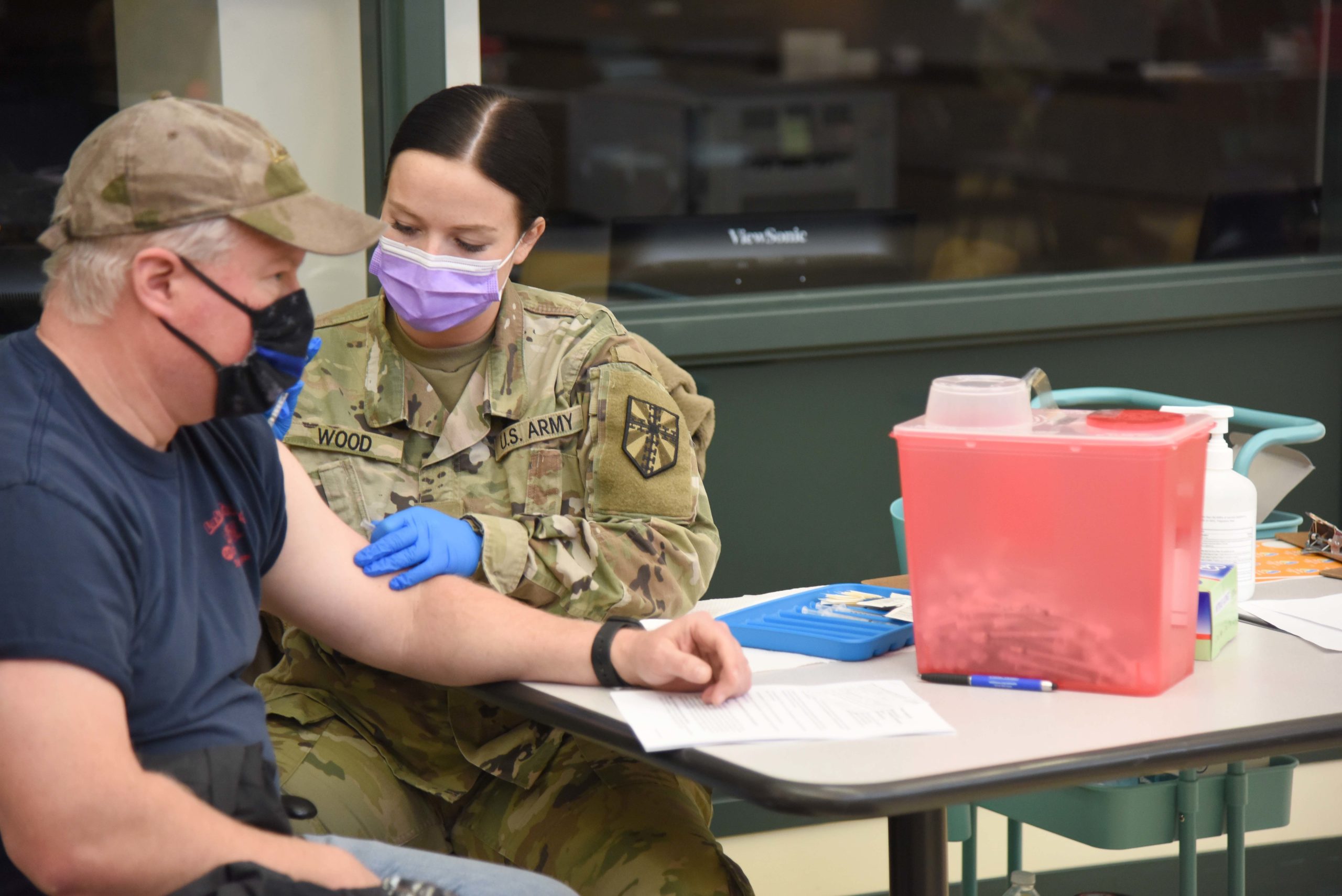
The Michigan Department of Health and Human Services said both people who died had underlying health conditions. The department also said it would not provide additional information about the deaths, a common step when public health agencies are balancing transparency with patient privacy.
The Centers for Disease Control and Prevention had not released a full public statement at the time of the early reports, but a notice on its cyclospora tracking page said the agency was aware of two cyclosporiasis-related deaths in people with underlying health conditions from Michigan as part of the outbreak.
That distinction matters. The deaths do not mean cyclospora has suddenly become a broadly lethal infection. They do show how a severe diarrheal illness can become dangerous when dehydration or other health problems are already in play.
Michigan’s count is unusually large
Michigan’s 11,234 confirmed cases put the state at the center of the current outbreak picture. USA Today reported that Michigan has led the U.S. case count, with Ohio also reporting large numbers that have outpaced federal totals.
That mismatch between state and federal numbers can be confusing. The CDC’s national figures are updated on a different schedule and include cases only after they meet federal reporting criteria, including laboratory confirmation and timing rules tied to cases since May 1.
As of the CDC’s July 28 update, the agency reported 6,707 laboratory-confirmed cyclosporiasis cases across 45 states since May 1. That was more than 2,500 higher than the agency’s July 21 update, according to the reported federal figures.
State totals can move faster because local health departments often see reports before they are fully reflected in the CDC’s national dashboard. USA Today noted that CDC numbers can lag by weeks, while the Associated Press reported that federal officials were aware of more than 18,000 confirmed or suspected cases in the current surge and that state reports suggested the nationwide number was above 20,000.
What cyclospora does
Cyclospora is a microscopic parasite that infects the intestines. The CDC describes the illness it causes as one that commonly brings watery diarrhea with frequent, sometimes explosive bowel movements.
Symptoms can also include stomach cramps, nausea, fatigue, appetite loss and weight loss. The illness can last days to weeks if untreated, and symptoms may appear to improve before coming back.
The dehydration risk is the part that public health officials are emphasizing in connection with the Michigan deaths. Diarrheal illness can be especially serious for older adults, people with weakened immune systems, and people with chronic medical conditions.
For most people, the practical warning is not panic. It is to take persistent diarrhea seriously, especially if it is accompanied by signs of dehydration such as dizziness, little urination, extreme thirst, confusion or worsening weakness.
No single source named
Health officials have not publicly identified one contaminated product or one exposure that explains Michigan’s large case count in the material reported so far. That leaves residents with an uneasy reality: the numbers are clear, but the source picture is not.
Past cyclospora outbreaks have often been tied to fresh produce contaminated before it reached consumers. The parasite spreads when people ingest food or water contaminated with feces, and outbreaks tend to appear more often in late spring and summer.
That does not mean every salad, fruit bowl or restaurant meal is suspect. Without a named recall or identified product, broad assumptions can mislead people and unfairly point blame at foods or businesses that public health investigators have not linked to the outbreak.
The safer takeaway is narrower: follow official recall notices, wash hands and produce carefully, and pay attention to symptoms after possible exposure. Washing can reduce some risk, though it may not remove every microscopic contaminant if food was contaminated earlier in the supply chain.
The public health response
The Michigan Department of Health and Human Services is now reporting both the scale of the outbreak and its most serious known outcomes. The department’s decision to disclose the deaths while withholding personal details signals that officials see the deaths as relevant to public risk, but not as a reason to identify the patients.
The CDC’s role is different. It tracks national patterns, verifies cases through standardized criteria and looks for links across states. That process is slower, but it helps investigators avoid drawing conclusions from incomplete or inconsistent data.
For readers trying to make sense of the moving numbers, the lag is not necessarily a sign that one agency is wrong. It reflects how outbreak surveillance works: local reports often come first, lab confirmation follows, and federal dashboards catch up after records are reviewed.
The tension is that outbreaks do not wait for dashboards. Families, doctors, restaurants, grocers and health departments have to make decisions while the investigation is still evolving.
What to watch next
The biggest unanswered question is whether investigators will identify a specific food, supplier, restaurant chain, farm region or other exposure tied to the surge. That would sharply change the public guidance, because officials could tell people what to avoid or what products to discard.
Another question is how high the Michigan count will go once additional suspected cases are confirmed or ruled out. The state’s 11,234 confirmed cases already dwarf the CDC’s most recent laboratory-confirmed national update, underscoring how fast the local picture can change.
There is also the human question health officials have not answered publicly: how the illness interacted with the underlying health conditions of the two people who died. The state has said those conditions may have been affected by cyclosporiasis and dehydration, but it has not provided more detail.
For now, the cleanest takeaway is this: cyclospora is still rarely deadly, but Michigan’s first two deaths show that a foodborne parasite outbreak can become serious at large scale, especially for people already medically vulnerable.











Leave a Reply