
The agreement removes a key Senate Judiciary obstacle for Blanche, but it also exposes how one disputed Justice Department fund became leverage in a confirmation fight.
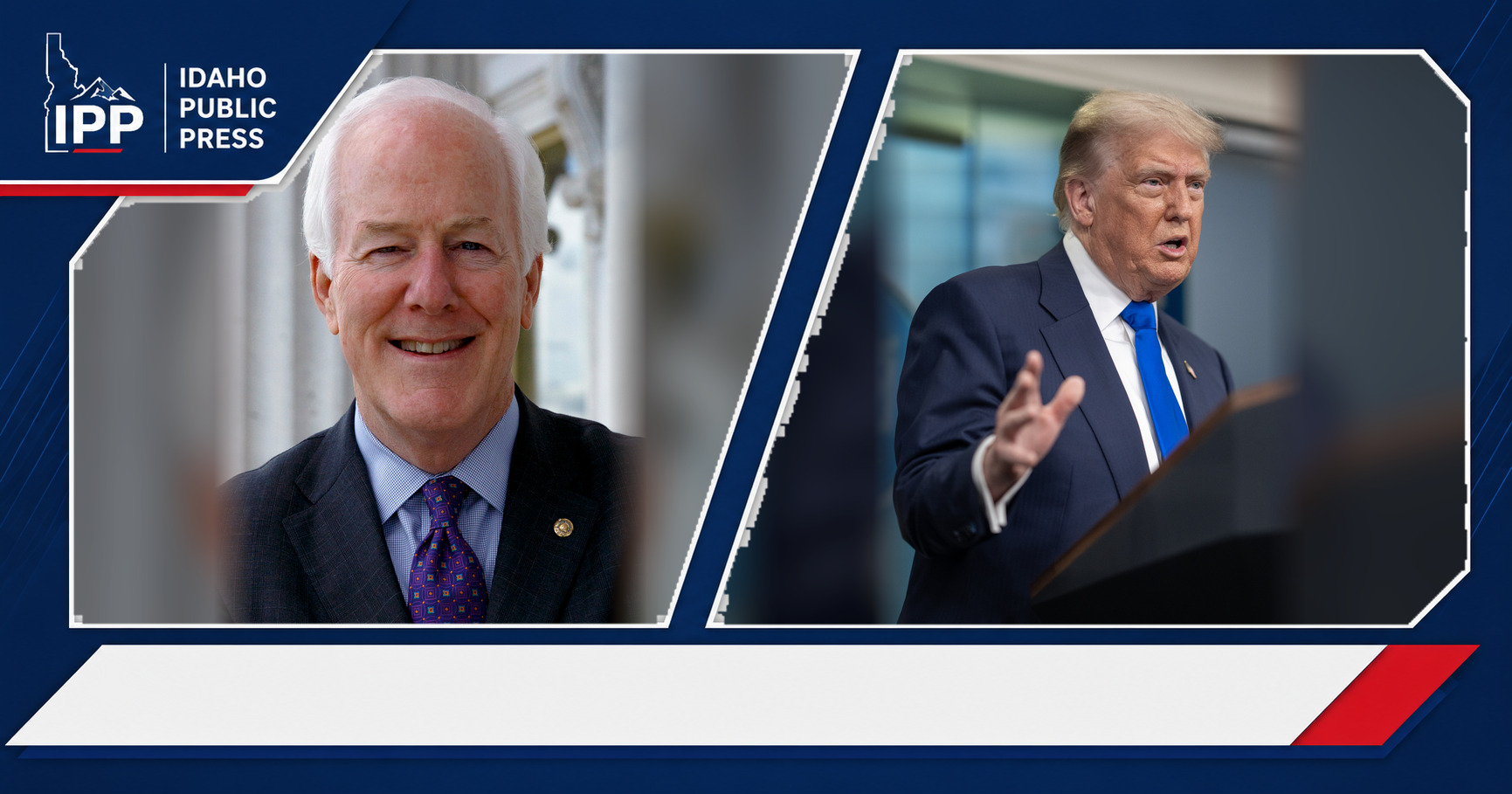
John Cornyn and Thom Tillis backed Todd Blanche for attorney general in Washington on Monday after their support followed a deal over Department of Justice funding, giving Blanche a clearer path through the U.S. Senate. The Republican senators said the Justice Department issued written orders addressing their objections, including ending a controversial DOJ fund.
The move matters because Cornyn and Tillis had become pivotal holdouts on the Senate Judiciary Committee. Their shift does not end Blanche’s confirmation fight, but it removes a major procedural obstacle and shows how a funding dispute became the price of advancing a Cabinet-level nomination.
A deal before a vote
Cornyn of Texas and Tillis of North Carolina said they would support moving Blanche’s nomination after the Justice Department formally terminated what has been described as an “anti-weaponization” fund. They also said DOJ clarified the scope of a tax-audit settlement that had alarmed senators in both parties.
According to CBS News, the Judiciary Committee is expected to take up Blanche’s nomination Tuesday morning after postponing an earlier vote while negotiations continued. With Cornyn and Tillis now on board, Blanche is positioned to clear the committee and head to the full Senate.
The two senators said in a joint statement that they had wanted a written document, not verbal assurances. Their concerns centered on two points: legally ending the fund and limiting audit protections to the parties covered by the settlement agreement.
That distinction is central. In Washington confirmation fights, nominees often survive policy disagreements. Written commitments from an agency can be harder to dismiss because they create a record lawmakers can point to later.
The fund at the center
The disputed fund was tied to a settlement involving President Trump and the IRS over the leak of his tax returns by a government contractor. CBS News reported that the $1.8 billion program would have allowed people who claimed they were victims of federal “weaponization” to seek compensation.
That idea drew sharp resistance because lawmakers feared the money could become available to people convicted of assaulting law enforcement during the Jan. 6, 2021, attack on the U.S. Capitol. For Cornyn and Tillis, the concern was not only the existence of the pot of money, but whether it could be revived after Blanche was confirmed.
Blanche had previously told House lawmakers that DOJ was not moving forward with the fund, and during his confirmation hearing he described the program as “dead.” That still did not satisfy the senators, who wanted a formal order.
The new order appears to have given them what they needed. Blanche rescinded the May directive creating the fund and clarified the limits of the related tax-immunity language, according to CBS News.
Tax immunity raised alarms
The second flashpoint was a provision in the settlement that granted broad audit protections to Trump, his two older sons, the Trump Organization and affiliated entities. Critics saw the language as unusually sweeping and potentially broader than the underlying dispute.
Cornyn and Tillis said DOJ’s written order now acknowledges that the audit settlement is limited to the plaintiffs and does not extend beyond the defendants in the lawsuit, the IRS and the Treasury. Blanche also clarified that the protection applies only to tax returns that had already been filed.
That narrowed interpretation is politically important. Without it, senators risked voting to confirm an attorney general nominee while leaving unresolved questions about whether the Justice Department had blessed a wider shield from future tax scrutiny.
For Republicans uneasy with the optics, the written limits created a defensible way to support Blanche while saying they had constrained the parts of the settlement they opposed.
Why two senators mattered
Cornyn and Tillis were not random dissenters. Both sit on the Senate Judiciary Committee, the panel that must report the nomination before the full Senate can act. A few holdouts can stall a nominee even when the president’s party controls the chamber.
Their leverage increased because Blanche’s vote had already been delayed. A committee spokesperson said last week that the proceeding was postponed while work continued to secure sufficient support to report the nomination favorably.
The senators are also both leaving the Senate early next year, according to CBS News, which may have given them more room to resist pressure from the White House and party leaders. They were not simply seeking a symbolic concession; they held out for a document they could describe as binding.
The episode also shows the limits of party unity in confirmation politics. Republican senators may support a president’s nominee and still demand changes on adjacent policy questions, especially when the issue involves taxpayer money, tax enforcement and the Justice Department’s independence.
Trump’s pressure changed the stakes
The fight escalated over the weekend when Trump warned GOP holdouts that, if they continued blocking Blanche, he would keep him on as acting attorney general and move ahead with making the Justice Department fund a reality, according to CBS News.
Tillis responded publicly on X, saying Trump “clearly intends to resurrect the payout pot for punks.” He also called Blanche qualified for the job while warning that the reversal could prevent his confirmation if the issue was not resolved.
That exchange sharpened the conflict. It made the fund more than a technical settlement question and turned it into a test of whether senators could force the administration to put limits in writing.
By Sunday, Blanche announced the order rescinding the fund. By Monday, Cornyn and Tillis had announced their support. The timeline suggests the senators’ blockade worked, at least on the immediate terms they set.
What happens next
The next step is the Senate Judiciary Committee vote. If Blanche is reported favorably, the full Senate can take up his nomination for attorney general. Cornyn and Tillis’ support makes that route more likely, but it does not guarantee a smooth final vote.
Democrats are likely to keep pressing questions about the original settlement, the creation of the fund and the Justice Department’s role in limiting or expanding benefits tied to Trump and his businesses. Some Republicans may also want to see the exact text of the orders before declaring the matter closed.
The broader issue will outlast this nomination: how much control Congress can exert when a Justice Department policy, a presidential settlement and a confirmation vote intersect. Cornyn and Tillis used one of the Senate’s strongest tools — confirmation power — to demand agency action.
For Blanche, the agreement converts a stalled nomination into a live one again. For the Senate, it is a reminder that even in a polarized chamber, the details of a funding order can decide whether a nominee advances.







Leave a Reply