

The city has pitched public grocery stores as a cost-of-living tool. A possible “library card-esque” system is now testing how open that promise will feel.
Mayor Zohran Kwame Mamdani’s municipal grocery program is still moving from promise to implementation, but its first national political fight is already about access: whether discounted goods would be tied to some form of identification or membership.
That point is not fully settled in the public materials. Reaction coverage has described New York City officials as considering a “library card-esque” membership system to identify shoppers and manage purchases. MAGA-aligned critics have seized on that possibility to accuse progressives of inconsistency after years of opposing voter-ID laws.
A price-relief plan with a long rollout
The official city pitch begins with grocery costs, not ID. In a NYC.gov release and transcript, Mamdani announced La Marqueta in East Harlem as the first site identified for the city’s municipal grocery store program.
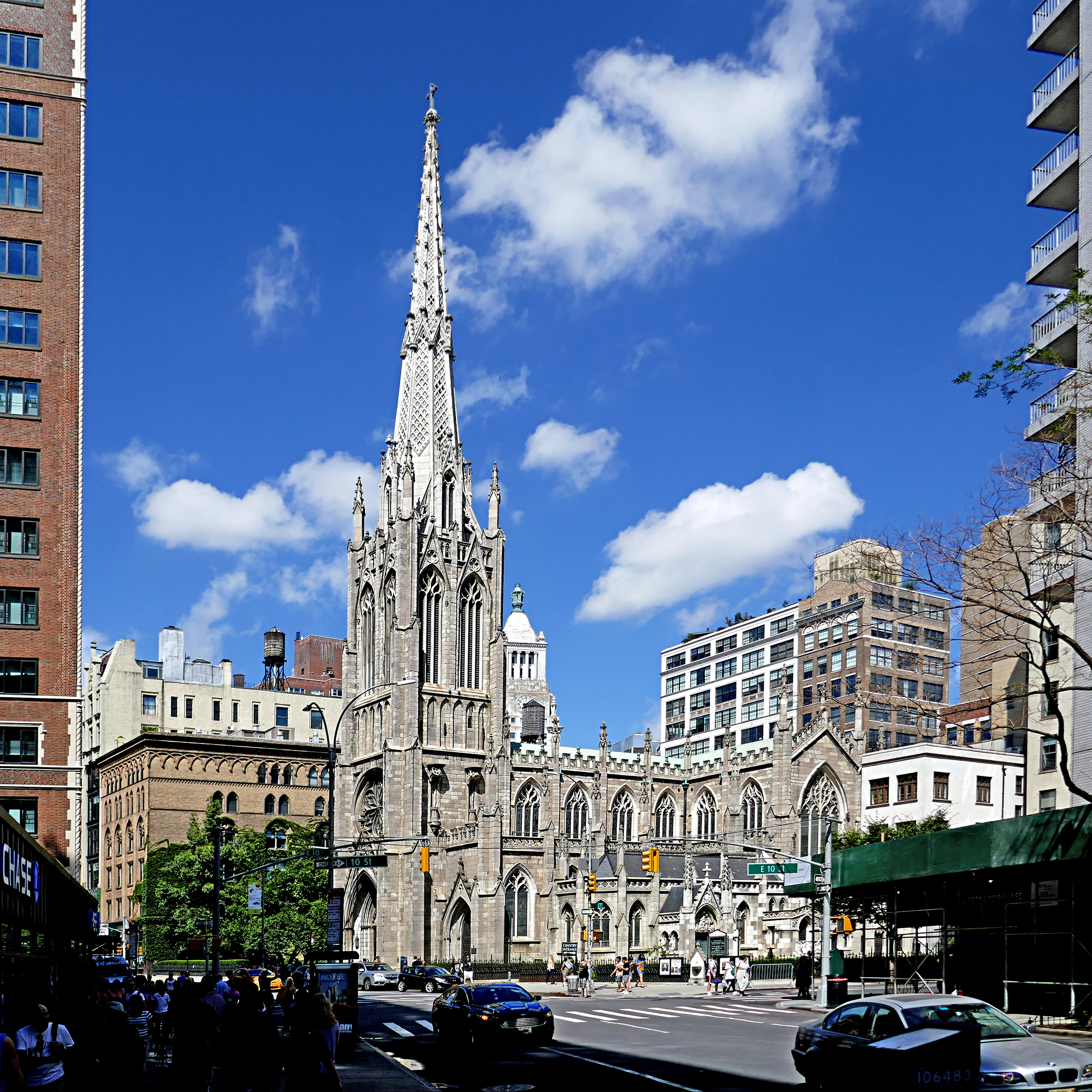
The city said the 9,000-square-foot La Marqueta store will be constructed from the ground up and is expected to open by 2029. The first city-owned grocery store is expected to open in late 2027, and the administration plans to open one store in each borough by the end of Mamdani’s first term.
According to the city release, grocery prices in New York City have risen nearly 66 percent over the past decade, outpacing the national average. The city said the public grocery initiative is designed to lower costs on everyday staples by using public ownership to remove costs that are now passed on to consumers.
Mamdani has allocated $70 million in capital funds for the five sites, according to the city. Deputy Mayor Julie Su, in remarks quoted in the NYC.gov transcript, said 62 percent of New Yorkers cannot afford the real cost of living in the city.
The ID issue is still an implementation question
The controversy centers on a possible system for controlling access to discounted goods, not a fully explained rule that appears in the city’s basic program announcement.
According to the reaction coverage, Mamdani said the program is intended to help New Yorkers put food on the table, not to let people buy discounted groceries in bulk and resell them. An official with the New York City Economic Development Corporation then described the city as considering a “library card-esque” membership system to identify shoppers and manage purchases.
That leaves major details unresolved. It is not clear from the available materials whether every shopper would be checked, whether only discounted purchases would require verification, what forms of ID or membership would count, or how the city would treat residents who do not have standard photo identification.
Why critics are invoking voter ID
According to reaction coverage, right-leaning and MAGA-aligned critics are framing the possible membership system as a hypocrisy test for Democrats and progressives who object to voter-ID laws.
Their argument is straightforward: if identification can be required for access to a government-backed grocery discount, they ask why identification should be treated differently at the ballot box.
That comparison compresses two different categories. Voting is a constitutional right, while a subsidized grocery program would be an administered public benefit or public service. Still, the political attack is effective because it shifts attention from food prices to gatekeeping.
Access will decide more than the talking point
The practical stakes are real even apart from the partisan argument. A city subsidy usually comes with rules, especially if officials want to prevent bulk buying or resale. But the design of those rules can determine whether a public program feels usable or restrictive.
An ID check at the entrance would function differently from verification at checkout for discounted items. A narrow list of accepted documents would function differently from a flexible membership system. A residency requirement would raise different questions than a general shopper account.
Those distinctions matter because the program is aimed at affordability and neighborhood food access. If residents who need the discounts most find the process confusing or exclusionary, the program could undermine its own message before the first full rollout is complete.
La Marqueta gives the fight a local test case
The first identified site carries symbolic weight. In the NYC.gov transcript, Mamdani connected La Marqueta to Mayor Fiorello La Guardia’s Depression-era use of public markets to cut overhead for vendors and lower consumer costs.
According to the city transcript, 65,000 New Yorkers live within a 10-minute walk of La Marqueta. The transcript also said about 5,000 NYCHA residents live on either side of Park Avenue, and nearly 40 percent of East Harlem residents received public assistance or SNAP benefits in the previous year.
Those figures are central to the city’s case for putting a public grocery site there. They also explain why the membership question cannot be treated as a minor technicality. The more the store is framed as a lifeline for residents under cost pressure, the more carefully the city will have to define who can use the discounts and how.
The unanswered questions now lead the politics
For Mamdani, the next challenge is clarity. The city can argue that a membership system is meant to protect a public discount from abuse, but it has not yet answered the access questions that critics are using against the plan.
The core questions are simple: Would ID be required for entry or only for discounts? Would proof of New York City residency be required? Would municipal IDs, SNAP documentation or other public-benefit records count? What happens to shoppers who lack conventional documents?
Until those answers are public, the grocery proposal will operate in two arenas at once. In New York, it is a cost-of-living experiment built around public ownership and cheaper staples. Nationally, it has become a proxy fight over identification, benefits and whether an affordability program can avoid creating new barriers while trying to lower old ones.











Leave a Reply