
The dispute puts a high-profile charging decision, President Donald Trump’s public rebuke and questions about political pressure on prosecutors in the same spotlight. What is documented — and what is not — matters as much as the demand itself.
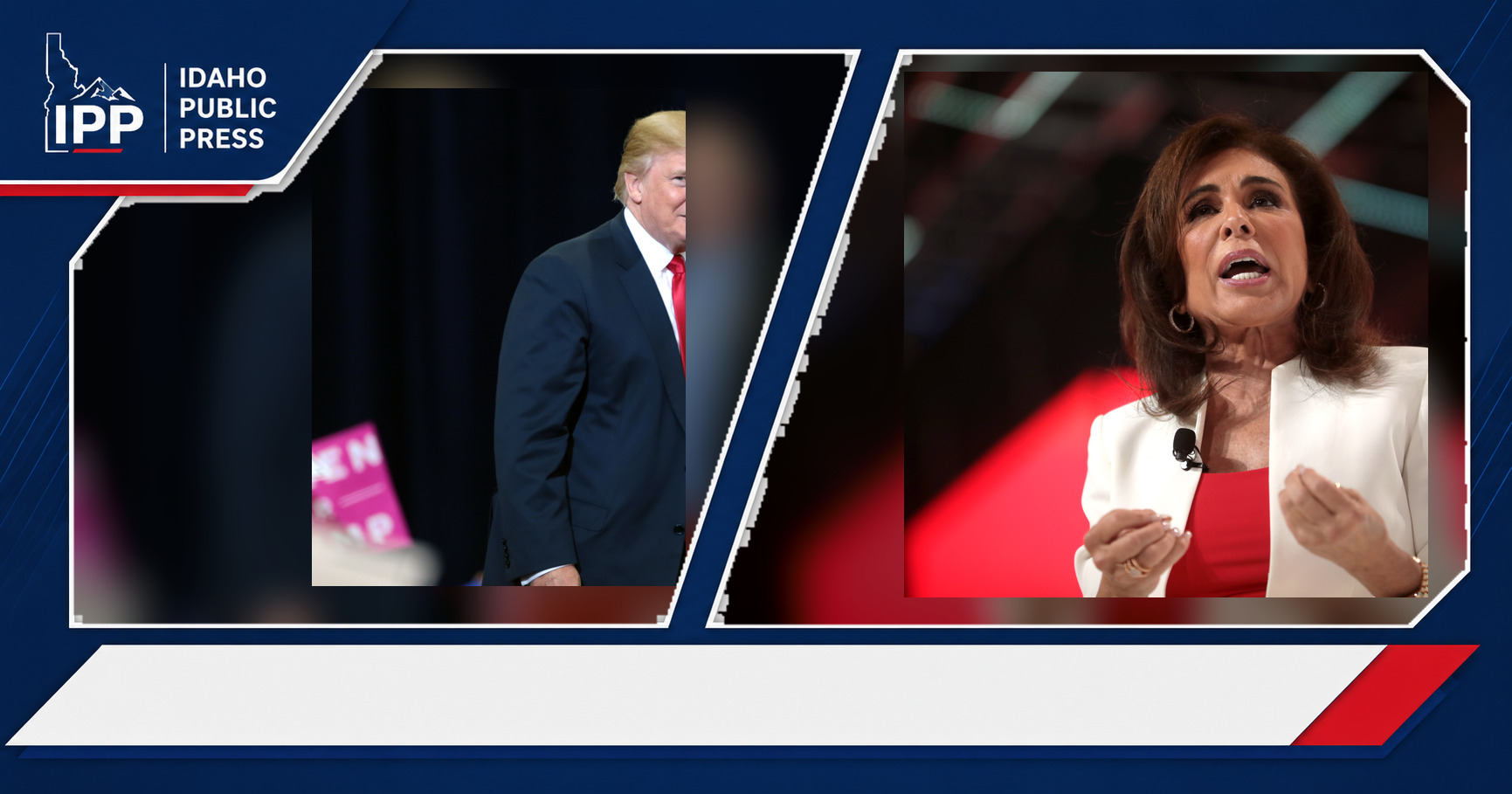
Jeanine Pirro came under fire after her office moved to dismiss a case involving alleged damage at the Lincoln Memorial Reflecting Pool. Peter Navarro demanded that a prosecutor be removed, according to the supplied headline, adding another layer to a controversy involving Pirro, prosecutorial discretion and pressure from prominent Trump allies.
The available reporting firmly documents criticism of Pirro’s decision, including a public rebuke from President Donald Trump. It does not, however, identify the prosecutor Navarro wants removed, the forum for his demand, or whether that demand was tied directly to Pirro’s office. That gap is central to understanding what is known rather than filling in the blanks.
Pirro’s office reversed course
Pirro serves as U.S. attorney for the District of Columbia. Her office said it had received information that undermined the “evidentiary basis for the indictment” of David “Davey” Hearn, a former Olympic canoeist charged in connection with damage to the Reflecting Pool.
According to NBC News, Hearn had been indicted on July 2 after prosecutors alleged he forcefully pulled up the pool’s liner with his hands on June 19. He pleaded not guilty and maintained that the pool was in the same condition when he left it as when he arrived.
Federal prosecutors said later-obtained information from the Interior Department indicated that damage cited in the case stemmed from flawed installation work by contractor Atlantic Industrial Coatings. The Justice Department said it would not have sought an indictment if it had possessed those documents earlier.
That is the basic legal issue beneath the political fight: prosecutors are expected to reassess a case when evidence changes. A dismissal after evidence weakens can be an acknowledgment that the government cannot fairly sustain its accusation, not an endorsement of the accused person’s conduct.
Trump publicly rejected the decision
Trump did not treat the dismissal as a routine correction. In a Truth Social post cited by NBC News, he said he disagreed “100%” with Pirro, questioned what she was thinking and described the incident as “a pure case of VANDALISM.”
Trump had directed a renovation of the Reflecting Pool reportedly costing more than $14 million, including a blue coating. The pool later drew attention after green algae appeared and pieces of sealant peeled away into the water.
Trump argued that surveillance footage showed vandalism. Interior Secretary Doug Burgum also continued to say vandals had caused damage, while stating that his department had supplied prosecutors with requested evidence, expert information and eyewitness testimony.
Those statements create a sharp divide. The administration’s political leadership has emphasized video and its view of the event; Pirro’s office cited material that it said weakened the evidentiary basis for an indictment. Both claims can be publicly aired, but the legal standard for maintaining a criminal case is higher than a political argument that damage occurred.
Navarro’s demand needs specifics
The supplied source headline says Peter Navarro demanded the removal of a prosecutor. That is a consequential allegation in a system where prosecutors make charging decisions, assess evidence and are supposed to operate under legal and ethical constraints.
Yet the research material provided for this article does not include a Navarro statement, a court filing, a social-media post, a Justice Department announcement or other primary documentation identifying the prosecutor at issue. It also does not establish the timing, grounds or requested mechanism for removal.
That does not erase the headline’s claimed dispute. It does mean readers should distinguish between a reported demand and verified details about who was targeted and why. Naming a prosecutor, describing the basis for removal and establishing whether anyone with authority acted are essential facts, not minor footnotes.
In political disputes, incomplete information can quickly harden into a broader story about loyalty or retaliation. Responsible coverage should resist assigning motives until the underlying statement and its context are available.
A dismissal is not an exoneration
Hearn’s attorney, Steven Levin, said the case should never have been brought and argued that the federal government owed his client an apology. That position reflects the defense view that the charging decision itself was an abuse of power.
The government’s explanation was narrower: new information undermined the case’s evidentiary foundation. A motion to dismiss ordinarily means prosecutors no longer believe they can proceed appropriately on the evidence available; it does not necessarily resolve every factual disagreement surrounding the damage.
Pirro’s office also moved to dismiss at least one other misdemeanor case tied to alleged Reflecting Pool vandalism, NBC reported. That detail suggests the reassessment was not confined to a single defendant, though the full scope and reasoning for each case would need to be reviewed separately.
Critics of Pirro may see the dismissals as a failure to protect a prominent public landmark. Supporters of the decision can point to a basic safeguard: criminal charges should not be maintained when new evidence calls their factual premise into question.
The larger pressure point
The episode highlights an uncomfortable reality for politically visible prosecutors. Their decisions can be reviewed in court, scrutinized by supervisors and challenged by defendants. They can also become public tests of allegiance when elected officials and influential allies openly attack an outcome.
Public criticism of a prosecutor is not, by itself, improper; officials can disagree with charging decisions. Calls for removal, though, carry different weight because they raise questions about whether the legal system is being asked to follow evidence or deliver a preferred result.
For Pirro, the immediate record shows a decision to abandon a case after her office said new information changed the evidentiary picture, followed by Trump’s unusually direct condemnation. For Navarro, the headline signals a removal demand, but the available source material does not yet provide the details needed to evaluate it.
What happens next depends on documents and statements that have not been supplied here: whether the dismissed cases are formally closed, whether officials release more evidence about the pool damage, and whether Navarro’s reported demand is clarified or acted upon. Until then, the clearest takeaway is that a legal reassessment has become a political flashpoint.





Leave a Reply