
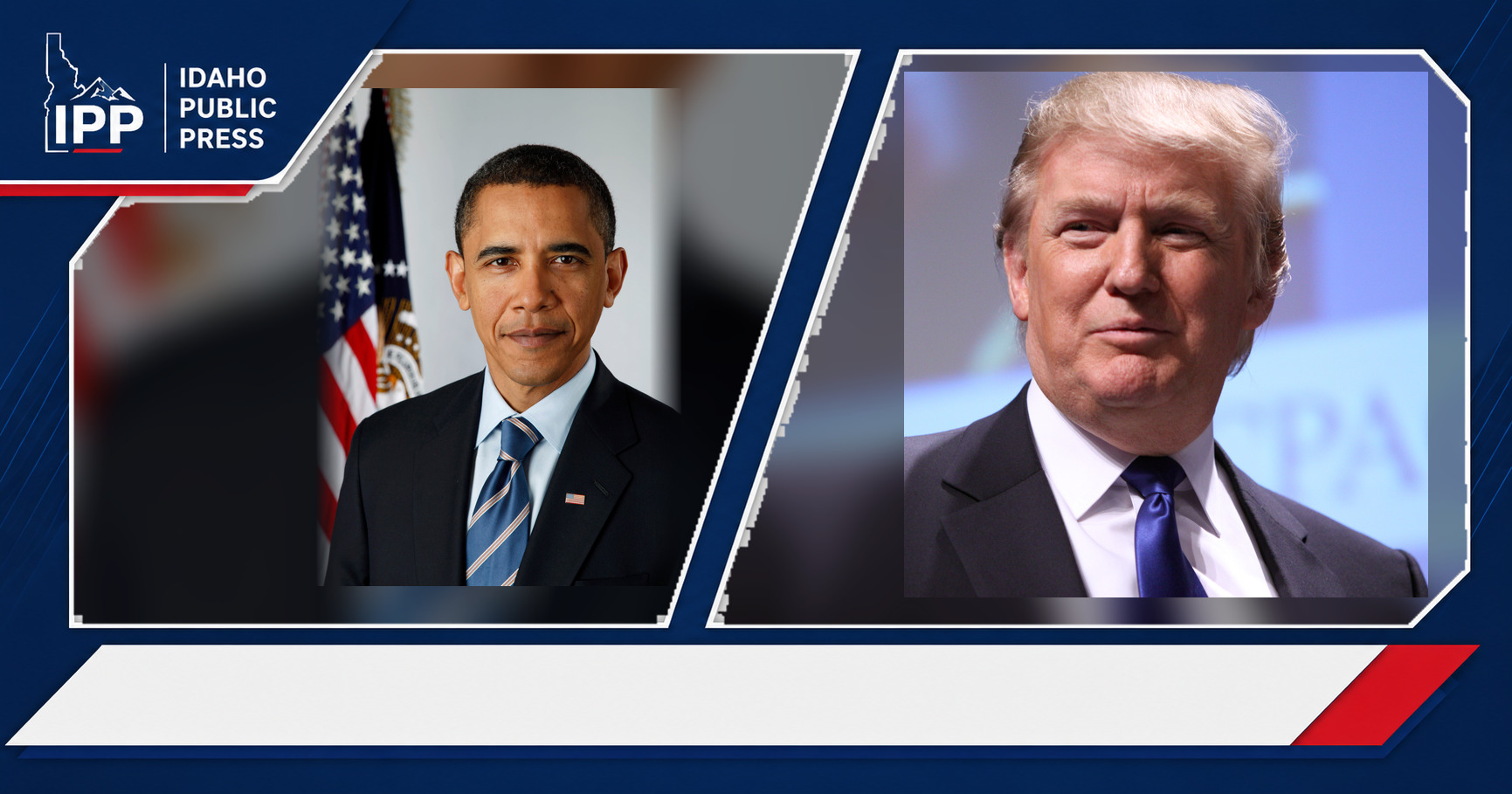
A reported Obama quip has turned attention to the visual choices in Donald Trump’s Oval Office. The available material supports the existence of a White House redesign, but leaves key details about Obama’s remark unclear.
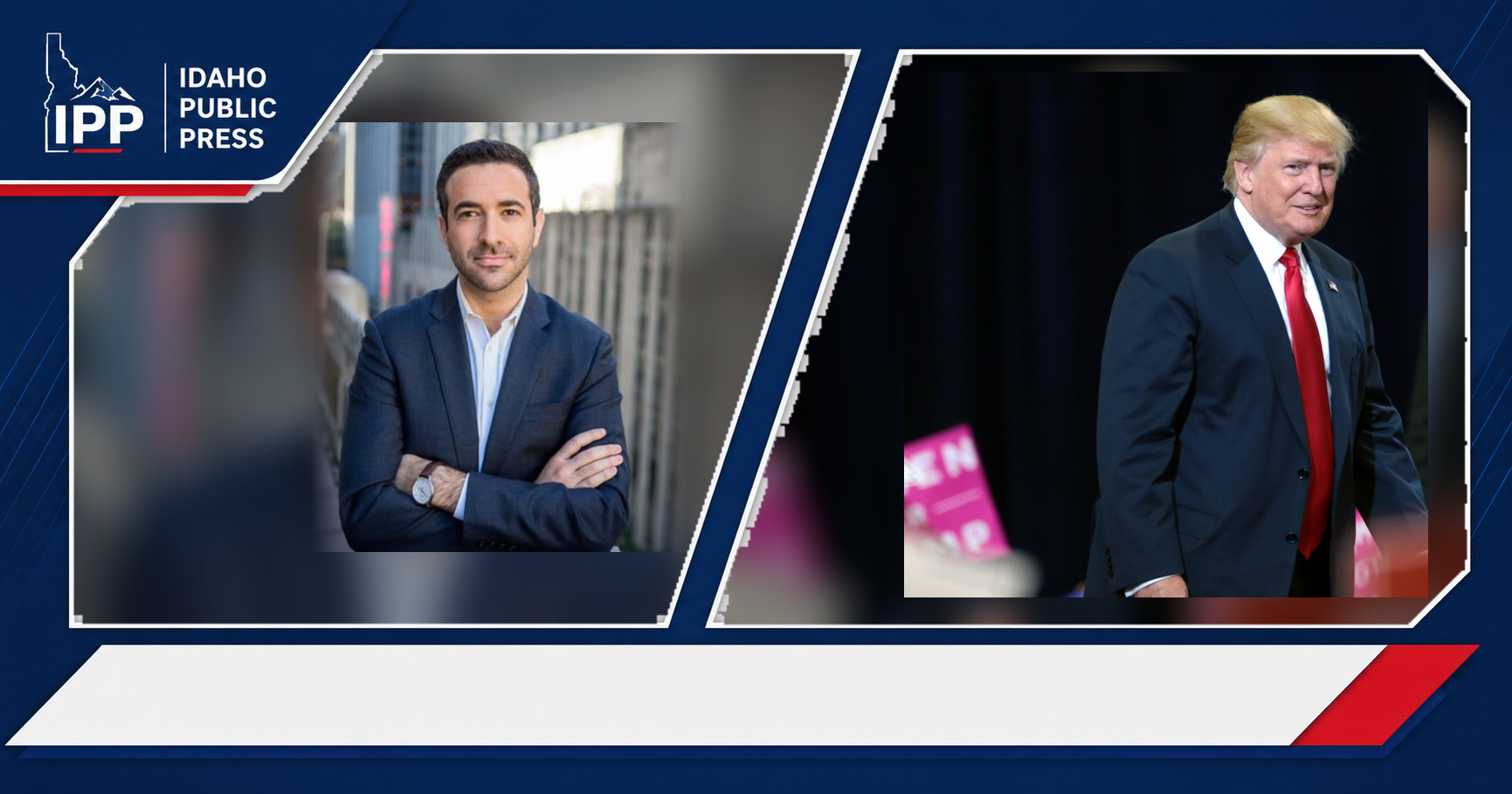
Barack Obama took aim at Donald Trump’s Oval Office, according to a report headlined around a joke about Trump’s gold Oval Office sign. The report says Obama mocked or criticized the sign with the remark, “I can’t believe I didn’t think of that.” The line has put fresh focus on how Trump’s Oval Office is being presented and why even a small design choice can become political symbolism.
There is an important limitation: the available source material does not identify where or when Obama made the comment, provide video or a transcript, or independently document the exact sign. What is documented on the White House website is a renovation that includes gold filigree, historic portraits and custom carvings.
What the reported Obama line means
The force of the reported quip is irony. If accurately quoted, Obama was not simply offering a decorating critique; he was using the gold Oval Office sign as a way to needle Trump’s public style.

Trump has long treated visual presentation as part of his political brand, from his name on buildings to highly choreographed backdrops at public events. In that context, a prominent gold sign in the president’s office would be easy for critics to read as an extension of a personal aesthetic associated with luxury, visibility and branding.
Obama’s reported wording also lands because the Oval Office is not an ordinary private office. It is one of the country’s most recognized political settings, where presidential meetings, addresses and photographs are designed to signal authority.
The documented Oval Office makeover
The White House’s official page on the building says Trump initiated a privately funded Oval Office renovation. It describes the work as incorporating gold filigree, historic portraits and custom carvings.
That description establishes that gold-toned decorative elements are part of the current redesign. It does not, by itself, verify the precise wording, placement or appearance of the gold sign referenced in the report.
That distinction matters in a fast-moving political conversation. A design feature may be real, while an especially shareable description of it can travel farther than the underlying documentation.
- Documented: The White House describes a renovation involving gold filigree, historic portraits and custom carvings.
- Reported but not independently substantiated in the available brief: Obama’s exact quote, the venue for the remark and the details of the specific gold sign.
- Still unclear: Whether Obama was reacting to a photograph, a news report, a private conversation or a public event.
Why the Oval Office carries weight
Presidents regularly alter the Oval Office. Rugs, paintings, furniture, drapery and display objects have changed with administrations, often reflecting a president’s taste and the message a White House wants to project.
The office itself was created during William Howard Taft’s administration as part of the expanded West Wing, according to the White House history. Its status grew through repeated use in photographs and nationally televised addresses, turning its décor into a visible part of presidential storytelling.
Some people see those changes as routine stewardship of a working space. Others see them as revealing: a president’s choices can suggest preferences about tradition, power, national identity or personal image. Neither reading is entirely neutral, particularly when partisan rivals are involved.
Obama and Trump’s symbolic contrast
The alleged joke draws attention because Obama and Trump are already associated with sharply different political personas. Obama’s public image emphasized a restrained, institutional presidency, even though his White House also made deliberate visual and cultural choices.
Trump’s approach has often been more explicit about spectacle and individual branding. Supporters may view an ornate Oval Office as a confident, distinctive setting for the presidency. Critics may see the same flourishes as blurring the line between public office and personal brand.
Those competing readings explain why a comment about a sign can become a political story. The dispute is not really about lettering or color alone. It is about what Americans expect the presidency to look like—and whether a president should use the office to project continuity, individuality or both.
A history that predates the rivalry
Obama and Trump also share a more formal Oval Office connection. After Trump’s 2016 election victory, Obama met with the president-elect in the Oval Office as part of the transition.
In the official transcript preserved by the National Archives, Obama said his priority was to help facilitate a transition that would allow the incoming president to succeed. Trump said the meeting, expected to last 10 or 15 minutes, lasted nearly an hour and a half.
That record offers a striking contrast with the tone suggested by the new report. The 2016 exchange was procedural and outwardly collegial. A later joke about Trump’s office, if verified, would reflect how completely the relationship—and the country’s political climate—has hardened over time.
What remains unverified
The report’s central claim should be treated carefully until a fuller account emerges. The available brief contains a headline but no originating outlet, event details, full quotation, recording or named witnesses.
That does not prove the reported comment is false. It means readers do not yet have the sourcing needed to assess the wording, tone or context with confidence. Political remarks can change meaning quickly when a punchline is separated from the setting in which it was delivered.
The clearest takeaway is narrower than the viral framing: the White House has publicly described an Oval Office renovation with gold decorative features, while a report attributes a barbed reaction to Obama. Whether the line becomes more than a memorable political jab depends on documentation that has not been provided in the available material.




Leave a Reply