
CNN’s future is under scrutiny as Paramount moves toward buying its parent company. The key question is not whether a change is coming, but how much influence new ownership could have over the network’s leadership and newsroom decisions.
CNN, Donald Trump and Paramount are at the center of a new fight over the future of a major American news outlet. A claim that CNN pushed back after Donald Trump called the network communists is not substantiated in the reporting reviewed, but CNN’s prospective new owners may influence or control its leadership if Paramount’s planned purchase of Warner Bros. Discovery closes.
The phrase “Tear up the Constitution” captures the fear voiced by critics about political pressure on the press, not a verified plan or statement by Paramount. What is documented is a pending corporate change, Trump’s repeated attacks on CNN, and real uncertainty over whether new ownership would alter the network’s editorial direction.
Paramount’s bid puts CNN in focus
According to an Associated Press report published February 27, 2026, Paramount emerged as the apparent winner in the competition to acquire Warner Bros. Discovery, CNN’s parent company. The deal still must clear regulatory hurdles, and Warner Bros. Discovery CEO David Zaslav said it could take about six months to close.
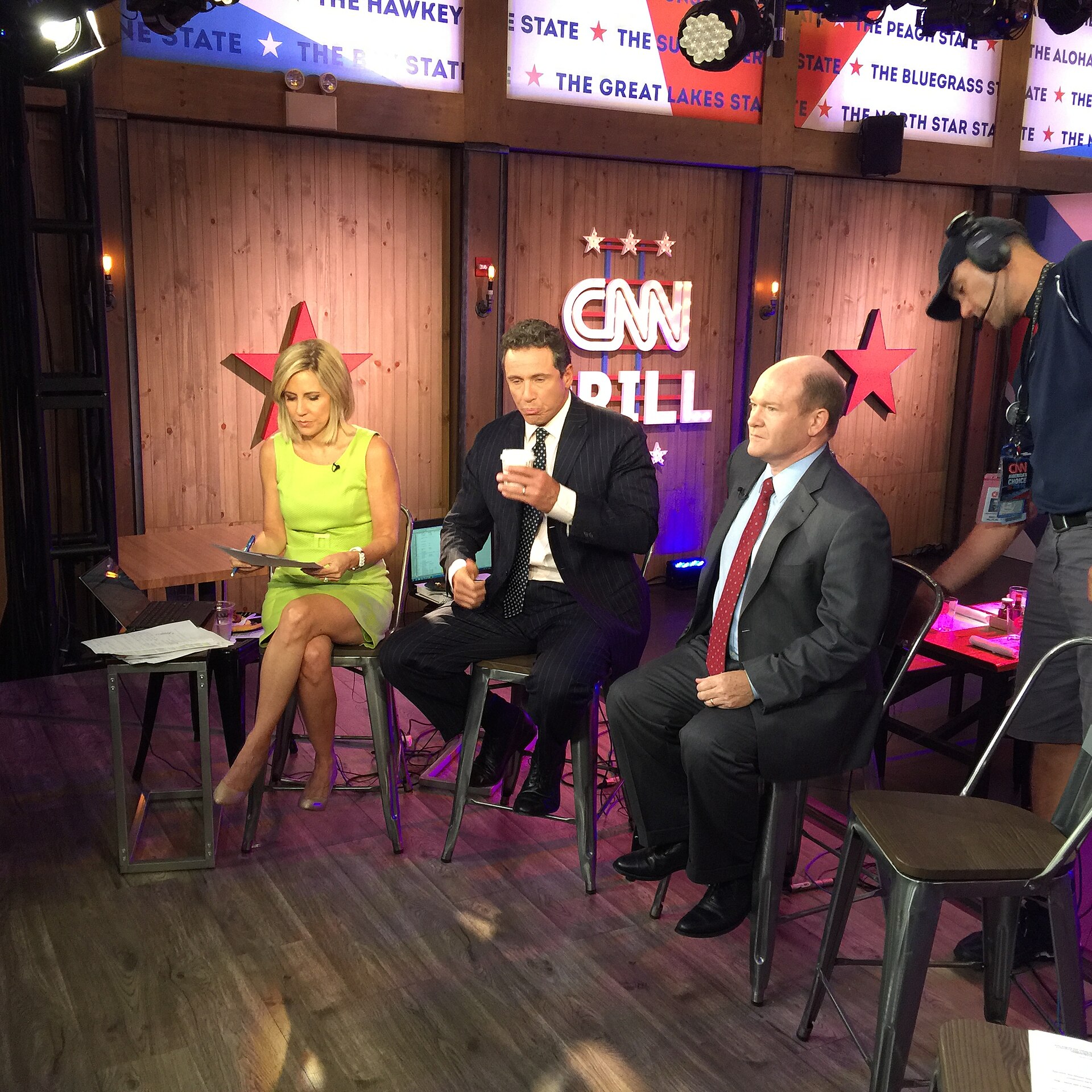
That leaves much unresolved. David Ellison, Paramount’s leader, had not publicly laid out plans for CNN when AP reported on the transaction. There is no confirmed announcement that he will replace CNN executives, combine CNN with CBS News, change programming, or direct coverage.
Still, ownership decisions can shape a newsroom long before a new owner makes a formal editorial decree. A parent company chooses top executives, determines budgets, approves investments and sets the broader corporate culture in which journalism is produced.
That is why CNN staff members and outside media observers are watching not simply whether the acquisition closes, but what leadership choices follow.
Mark Thompson urged staff to wait
CNN chief Mark Thompson sought to steady employees after news of Paramount’s apparent victory spread. In an internal memo quoted by AP, Thompson advised staff not to jump to conclusions and told them to remain focused on serving CNN’s audience.
His message reflects a basic fact of the moment: concern is widespread, but many of the biggest questions do not yet have answers. CNN’s familiar on-air faces, its senior leadership structure and its editorial priorities could remain largely intact—or look considerably different after a deal closes.
The AP reported that possible changes to editorial direction and personnel were among the issues being watched. That uncertainty is especially acute at a network whose audience and identity have been shaped by years of conflict with Trump.
CNN began as a 24-hour news channel in 1980. It now operates in a far more fragmented media system, competing for viewers with Fox News, which attracts a largely conservative audience, and MS NOW, formerly MSNBC, which has drawn a more liberal audience.
Trump’s criticism is longstanding
Trump has criticized CNN for years, and those attacks intensified during his first term. AP noted that his hostility toward the network damaged CNN’s brand among some conservative viewers.
In December, Trump said CNN spread “poison and lies” and called the people who had run it “a disgrace.” He said he believed it was imperative that CNN be sold, AP reported.
The president has also singled out individual CNN journalists. AP cited his attacks on Erin Burnett, Anderson Cooper, Kaitlan Collins and Abby Phillip. The pattern matters because it provides the political backdrop for concerns about a sale involving owners with reported ties to Trump.
But precision matters here. The available AP report does not say Trump called CNN “communists,” and it does not document a specific CNN rebuttal to that accusation. It does, however, establish a long-running adversarial relationship between Trump and the network.
The Ellisons’ ties drive scrutiny
David Ellison and his father, Oracle co-founder Larry Ellison, both have ties to Trump, according to AP. David Ellison attended Trump’s State of the Union address, a highly visible sign of proximity that has added to staff anxiety and public speculation.
AP also reported that The Wall Street Journal said Ellison had assured Trump administration officials he would make “sweeping changes” at CNN if he bought the company. Paramount did not return AP’s calls seeking comment on that report.
That detail is significant but should be treated carefully. It is a report about assurances attributed to Ellison, not a publicly released plan. Until Paramount explains its approach, claims that CNN’s leadership will be controlled in a particular way remain predictions rather than established facts.
The company’s recent stewardship of CBS News has become a reference point. After Paramount took control, it settled Trump’s lawsuit against “60 Minutes,” appointed a Republican official as a CBS ombudsman, and named journalist Bari Weiss editor-in-chief of CBS News.
Critics see risks to independence
Former CNN president Tom Johnson told AP he hoped a new owner would preserve the network’s journalistic independence and excellence, while adding that he was deeply worried it would not. Former CNN correspondent Jim Acosta described the broader pressure on media organizations as “deeply un-American.”
Those concerns explain the constitutional language attached to this story. The First Amendment protects freedom of the press from government action; it does not require a privately owned news company to maintain any particular editorial approach. A media owner may make lawful management and programming decisions that critics still regard as damaging to independent journalism.
So “tear up the Constitution” is best understood as political rhetoric about perceived threats to a free press, not a literal proposal in the reported transaction. No available reporting shows Paramount or Trump announcing an intention to abolish First Amendment protections.
Others caution against assuming that every Paramount decision signals ideological alignment. AP noted that “60 Minutes” has continued to air tough reporting about administration policies. Paramount also extended contracts involving Jon Stewart and the creators of “South Park,” even as CBS prepared to end Stephen Colbert’s late-night show.
The unanswered questions are concrete
The immediate issue is not whether CNN will become a different network overnight. The deal has not closed, and David Ellison has not publicly specified his plan for its leadership, newsroom structure or editorial strategy.
The questions to watch are practical:
- Whether CNN’s top executives and prominent anchors stay in place.
- Whether Paramount attempts to combine operations between CNN and CBS News.
- Whether a new standards, ombudsman or oversight model is introduced.
- Whether budget decisions affect CNN’s reporting capacity and international reach.
- Whether editorial changes emerge through personnel and programming choices rather than explicit directives.
For now, CNN’s own leadership is urging restraint, while critics are warning about the risks of political influence. Both can be true: the evidence does not yet prove a takeover of CNN’s editorial voice, but the ownership transition gives those concerns a serious, immediate basis.

Leave a Reply