

Ocasio-Cortez’s point was not that older Americans have nothing to contribute. It was that political decisions made now will shape the lives of younger people for far longer—and that delay has consequences.
Alexandria Ocasio-Cortez delivered a message directed at older generations that is going viral for a simple reason: young people will live longest with the world Congress leaves behind. Her argument links political representation to climate change, inequality and other long-running problems—and explains why many people see the message as accurate even if they disagree over its tone.
The New York Democrat’s comments were not a blanket dismissal of older Americans. Ocasio-Cortez explicitly said age should not disqualify anyone from making thoughtful contributions, while arguing that lawmakers cannot let respect for experience become an excuse for delaying action on the future.
The point behind the viral post
The exchange began when Ocasio-Cortez, then the representative-elect for New York’s 14th Congressional District, shared a CNN clip featuring teenage climate activist Greta Thunberg. Thunberg had argued that political leaders had failed younger people and that young people must hold older generations accountable for environmental damage they will have to live with.
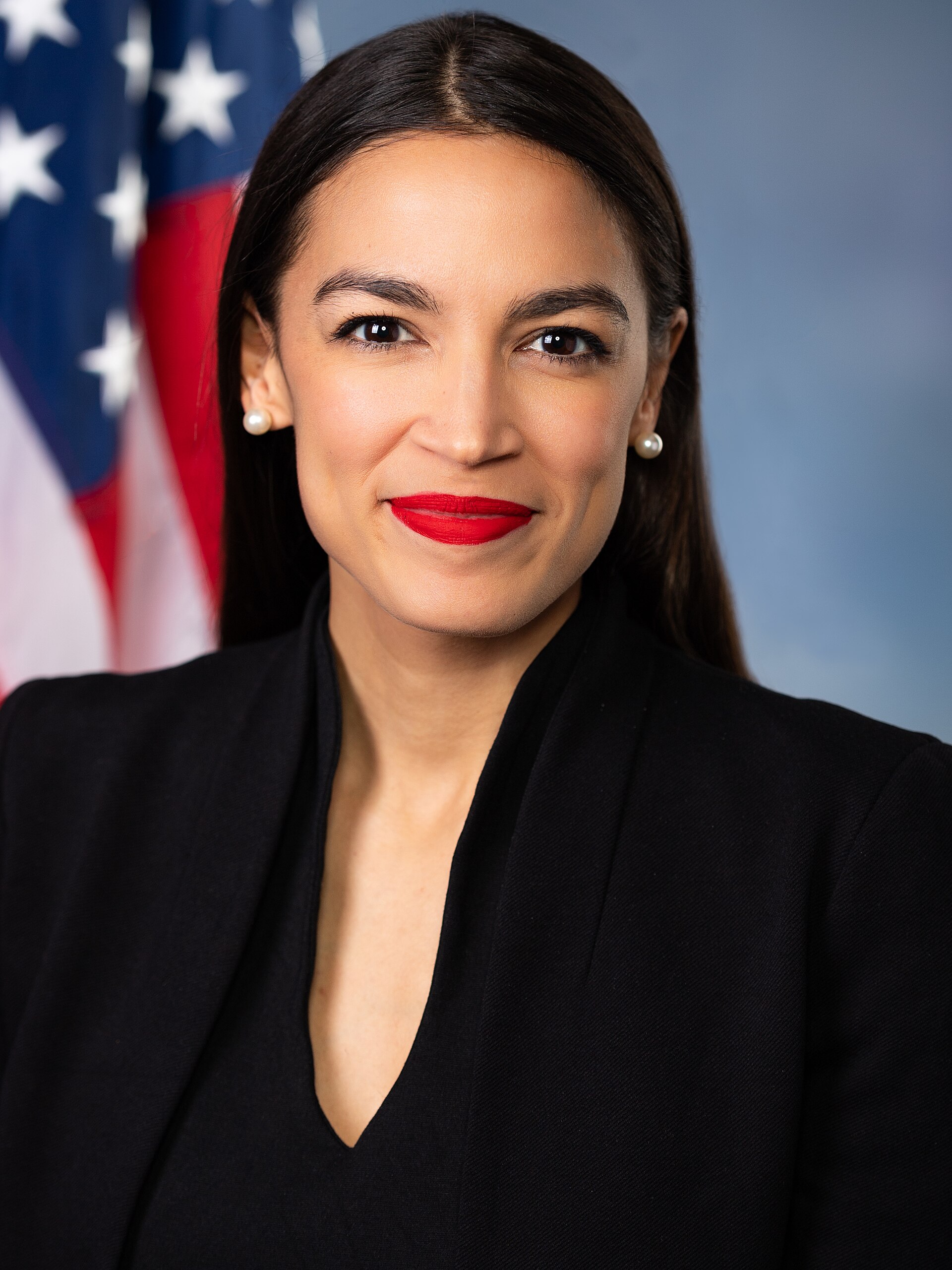
Ocasio-Cortez used the moment to draw attention to the age gap inside Congress. She noted that the difference between her age and that of the oldest House members was roughly 60 years.
Her central point was about unequal exposure to the consequences of public policy. For better or worse, she wrote, young people would live in the world Congress leaves behind. That is why, she said, she focused on issues including climate change, runaway income inequality and school-to-prison pipelines.
That framing gives the message its staying power. It turns a familiar argument about generations into a question of democratic responsibility: Who makes the decisions, and who carries their effects over the next several decades?
She did not dismiss older voices
A key part of the exchange is often lost when the message is reduced to a generational clash. Jim Duncan, then NBC12’s chief meteorologist, responded that people over 60 should not be treated as unqualified to make thoughtful contributions to society.
Ocasio-Cortez agreed. Age, she replied, was “absolutely” not a disqualifier for thoughtful contributions. She said youth was not merely a matter of age, but also an attitude: a willingness to take risks for what is right.
She also credited older mentors, writing that the mentorship of elders helped bring her to where she was. In Latinx and Indigenous communities, she said, “elder” can be an honorific based on recognized wisdom rather than a number attached to someone’s age.
That distinction matters. Her criticism was aimed at a political system she believed had too few younger elected officials and too little urgency, not at every older person or every older voter.
Urgency is the real dividing line
Ocasio-Cortez’s sharpest claim was that delaying major action on climate change does not reflect either the wisdom of elders or the urgency of youth. It is a deliberately pointed argument, but it is also more specific than the broad claim that one generation is inherently better than another.
The issue is time. A policy that postpones action may feel manageable to people who will not experience its longest-term effects. For people entering adulthood, raising children or planning decades of work ahead, the same delay can look like a decision to pass larger costs forward.
That is why the message resonates beyond climate politics. Student debt, housing affordability, wages, public schools and criminal justice are all debates where the benefits and burdens of choices can fall unevenly across age groups.
Critics can reasonably argue that experience, institutional knowledge and historical perspective are essential in government. Ocasio-Cortez’s response leaves room for that view. Her challenge is whether experience is being used to help solve looming problems—or to defend the comfort of doing too little.
Representation changes the debate
The post also raised a narrower question about Congress itself: whether elected bodies adequately reflect the people whose futures they govern. Ocasio-Cortez was not arguing that lawmakers should be selected by age alone. She was arguing that a dearth of younger officials has consequences for the priorities that receive sustained attention.
Younger representatives may be more likely to foreground policies whose biggest effects arrive years from now. Older representatives, meanwhile, may bring experience negotiating institutions, managing crises and understanding prior policy failures. A functioning legislature needs both perspectives.
The tension comes when one side has far more power than the other. If younger Americans are expected to absorb the effects of environmental, economic and social choices, Ocasio-Cortez’s argument is that they deserve meaningful influence over those choices before the damage is locked in.
That does not make every proposal associated with younger politicians correct. It does explain why representation is not merely symbolic. The people in the room influence which risks are treated as immediate and which are treated as someone else’s problem.
Why the message still lands
The viral appeal of Ocasio-Cortez’s message rests on a hard-to-dispute premise: future citizens do not get to opt out of decisions made before they have political power. The debate is over what that premise requires from today’s leaders.
Some will hear the message as an unfair generational indictment. Others will hear it as a necessary demand for accountability from people and institutions that have had more time to shape national policy. Both reactions reflect the emotional stakes behind discussions of climate and economic security.
Ocasio-Cortez’s fuller response offers a more useful reading than a simple young-versus-old fight. Wisdom and mentorship matter, she said. So does urgency. The real test for leaders of every age is whether they are willing to act on problems whose worst effects may be felt most deeply by people younger than them.
That is why the message continues to travel: it is less about age than about the obligation to leave something better behind.










Leave a Reply