
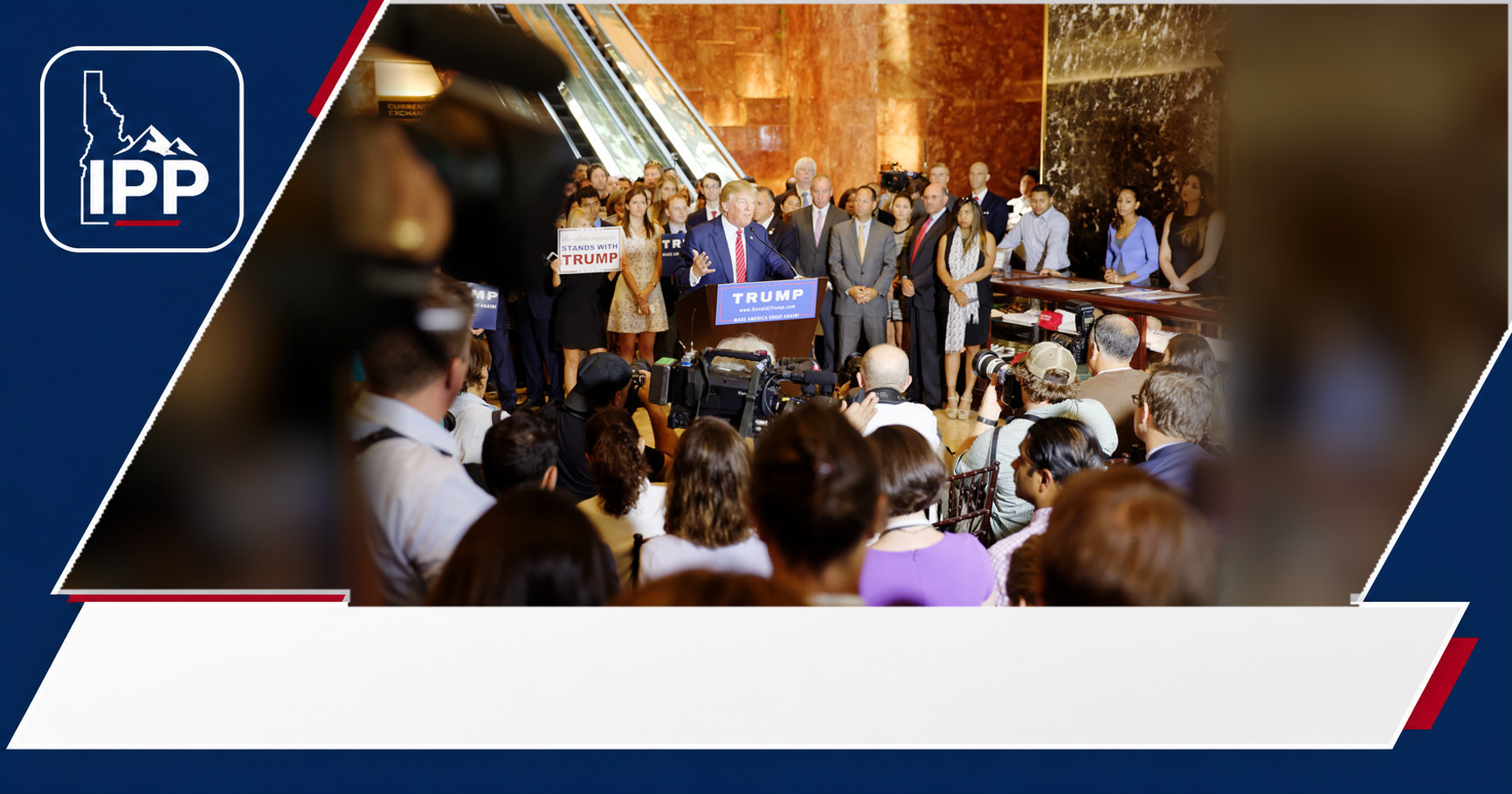
The hostile reception showed why Libertarian voters are tempting — and difficult — targets for major-party campaigns. Trump asked for unity, but many in the room heard a pitch from a politician they do not trust.
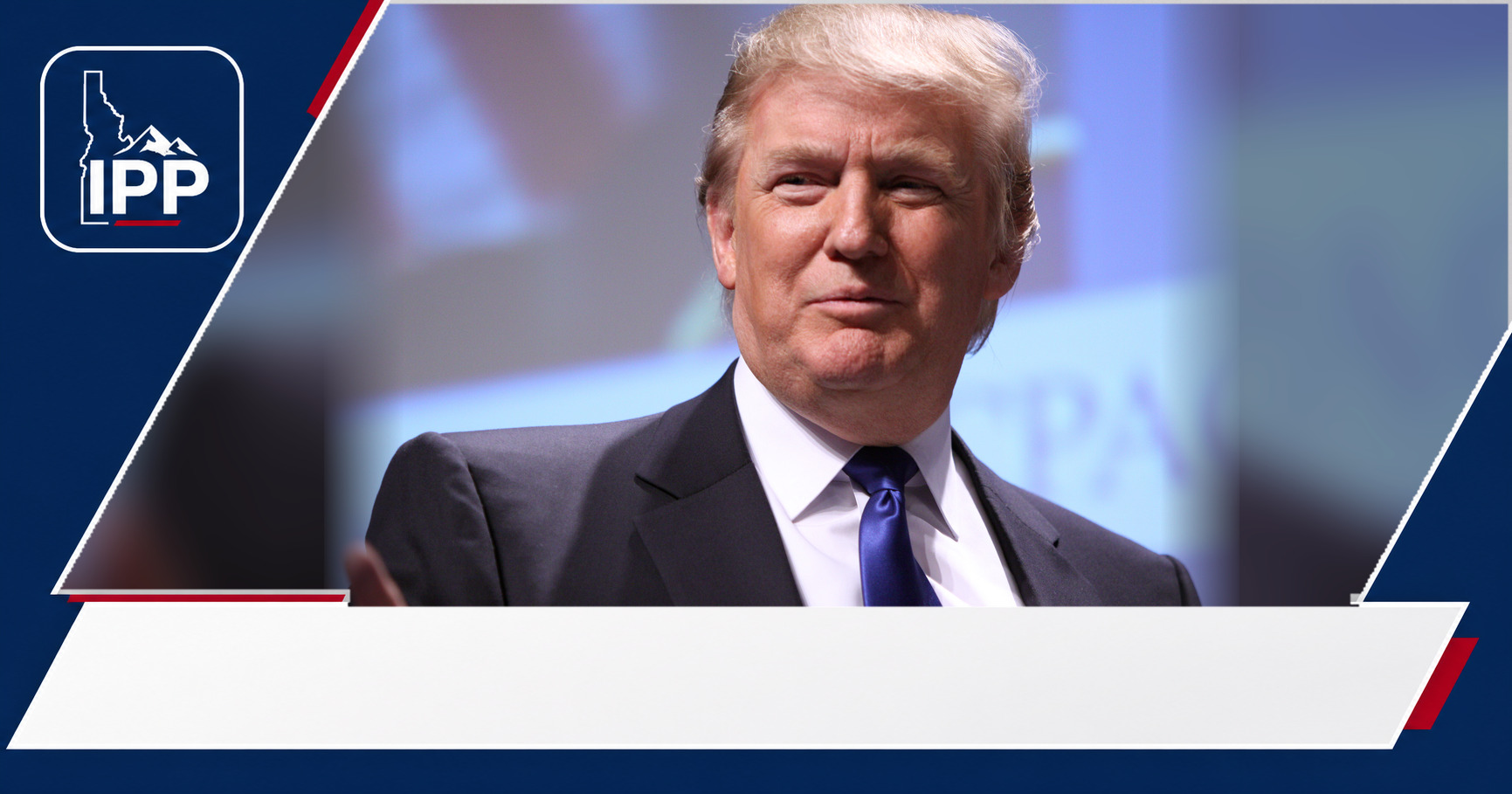
Donald Trump was booed and heckled by an angry crowd at the Libertarian National Convention on Saturday night, where his appeal for Libertarian Party members to back his White House bid ran into loud jeers, chants and interruptions. The crowd’s hostile reaction to Trump’s appearance mattered because he was not speaking to a normal rally audience; he was asking a skeptical third-party movement to help him defeat then-President Joe Biden.
At points, angry crowd shouts competed with Trump’s microphone as he tried to sell himself as an ally of small-government voters. Reuters reported that many in the raucous audience booed and heckled him, while the BBC reported that Libertarian Party members jeered when Trump urged them to combine forces with Republicans.
A pitch met with jeers
Trump’s message was direct: Libertarians and Republicans should unite against Biden. According to the BBC, he told delegates, “We must work together,” and added, “Combine with us. You have to combine with us.”
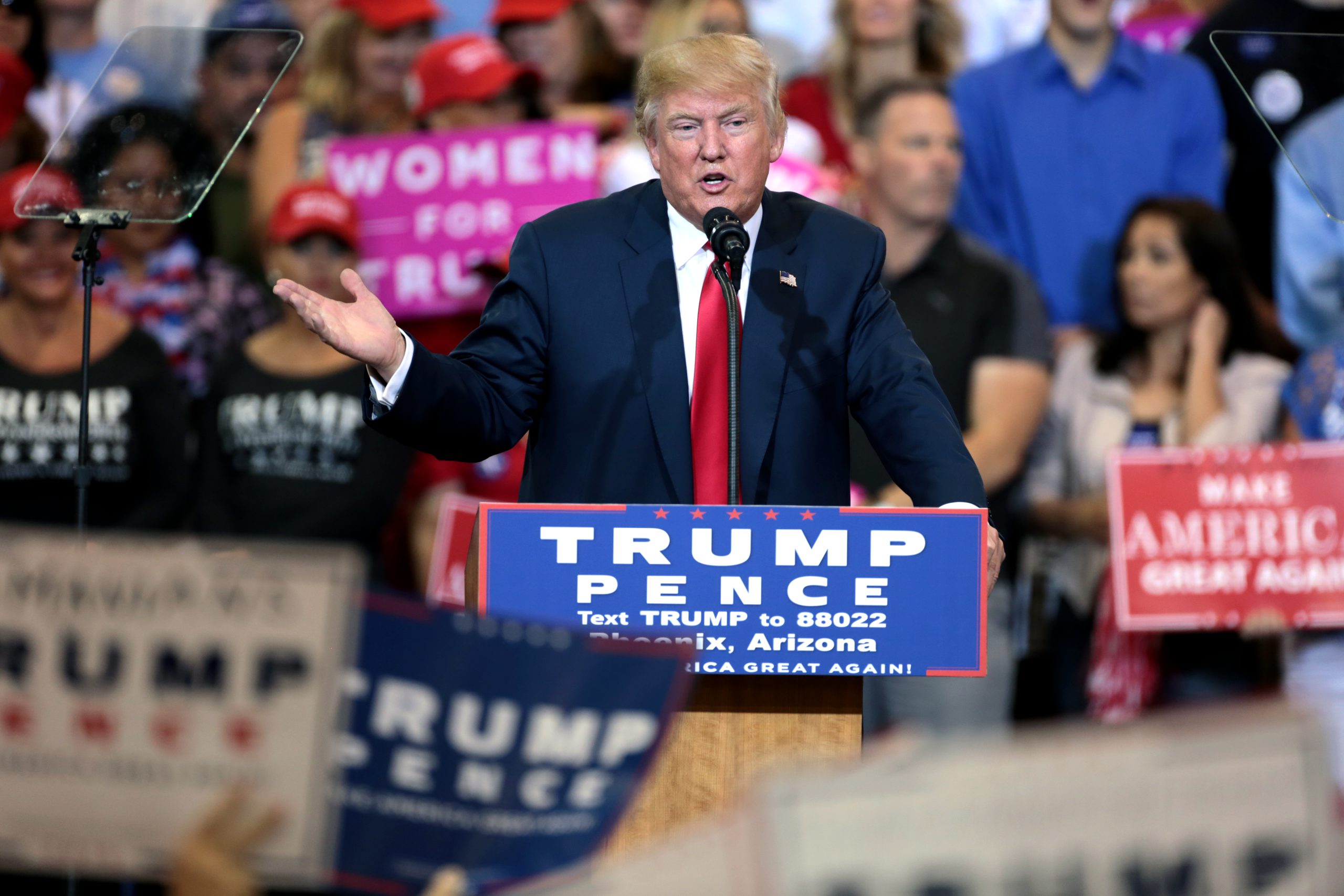
That line did not land the way it might have at a Trump campaign rally. Instead of applause, it was met with vigorous jeers from Libertarian Party members gathered in Washington to select their own presidential nominee.
The scene was striking because Trump is accustomed to highly controlled political events built around supporters who wait hours to hear him speak. The Libertarian convention put him in front of a crowd with a different set of loyalties — and a long memory of grievances against both major parties.
Trump continued through the hostile reception, framing his visit as an effort to “extend a hand of friendship,” according to the BBC. He also promised to include a Libertarian in his Cabinet if elected, a gesture aimed at showing the party it could have influence in a Republican administration.
Why Libertarians pushed back
Libertarian voters often overlap with Republicans on issues such as gun rights, federal spending and distrust of Washington bureaucracy. That overlap makes them politically valuable, especially in close elections where a few percentage points can matter.
But the party’s identity is not simply “Republican, but smaller.” Many Libertarians define themselves through opposition to concentrated state power, foreign intervention, central banking and restrictions on personal freedom. That makes Trump a complicated figure for them, not an automatic ally.
The BBC reported that Trump’s invitation to the convention divided the party. Some members objected to his COVID-19 policies while he was in office. Others pointed to the national debt that grew under his administration.
Those objections explain why the booing was more than theater. For critics in the room, Trump was not merely an outsider asking for votes. He was a former president asking an anti-establishment party to forgive a record they viewed as insufficiently libertarian.
Trump tried to claim common ground
Trump argued that parts of his record should appeal to Libertarians. The BBC reported that he cited tax cuts and the defunding of federal equality programs as examples of policies aligned with limited-government thinking.
He also leaned into humor, saying his criminal indictments had pushed him closer to the party’s worldview. “If I wasn’t a Libertarian before, I sure as hell am a Libertarian now,” he said, according to the BBC.
That line captured Trump’s broader strategy: turn his conflicts with prosecutors and institutions into proof that he understands voters who distrust government power. It is a familiar move for him, but the Libertarian audience did not respond like a MAGA crowd.
Many in the room heckled in disbelief, according to the BBC. The reaction suggested that Trump’s personal argument — that he had been targeted by the system — did not erase deeper objections to his governing record.
The crowd had its own agenda
The convention audience was not just reacting to Trump. It was also asserting the party’s independence at a moment when both major-party campaigns were worried about third-party voters.
Delegates broke into chants of “End the Fed,” the BBC reported, invoking a long-running Libertarian demand to abolish or radically curb the Federal Reserve. One person holding a sign reading “No wannabe dictators” was removed by security, according to the same report.
Trump’s response grew sharper as the crowd resisted him. He mocked the party’s history of low national vote shares, telling them that supporting him was the path to winning and adding that they could “keep getting your 3% every four years” if they chose not to, according to the BBC.
That jab was risky. Libertarians have often polled and performed in the low single digits nationally, but the party’s members tend to view ballot independence as a principle, not just a strategy. Mocking their vote share may have reinforced the very suspicion Trump was trying to overcome.
Why the moment mattered
The political stakes were clear. In a close presidential race, third-party voters can become the focus of intense pressure from both Democrats and Republicans. Even a small share of voters can shape outcomes in battleground states.
The BBC noted that Libertarians have typically earned around 3% of the popular vote in past U.S. presidential elections. That number is small in a landslide environment, but potentially significant when major-party margins are narrow.
Trump’s appearance also came as independent candidate Robert F. Kennedy Jr. had addressed the Libertarian convention the previous day, according to the BBC. That placed the party at the center of a broader fight over anti-establishment voters who might not feel at home with either Democrats or Republicans.
For Trump, the calculation was obvious: peel off enough Libertarian-leaning voters to strengthen his coalition. For many Libertarians, the calculation was different: reject major-party figures who show up only when their votes look useful.
One speech, unresolved questions
The boos did not mean every person in the room opposed Trump. A convention audience is not the same thing as the full Libertarian electorate, and some right-leaning Libertarian voters have supported Republican nominees in past elections.
Still, the hostile reception showed the limits of ideological overlap. Shared skepticism toward parts of the federal government does not automatically translate into trust. Nor does opposition to Biden necessarily mean support for Trump.
The unanswered question is whether Trump’s outreach helped him with Libertarian-leaning voters outside the convention hall or mainly created a viral image of rejection. Campaigns often speak past the room to reach a broader audience watching clips later, and Trump may have been doing that as much as trying to win over delegates in person.
The clean takeaway is that the Libertarian convention gave Trump access to voters he wanted, but not the kind of audience he usually controls. His appearance showed why third-party voters are coveted in close races — and why they can be so hard for major-party candidates to claim.


Leave a Reply