
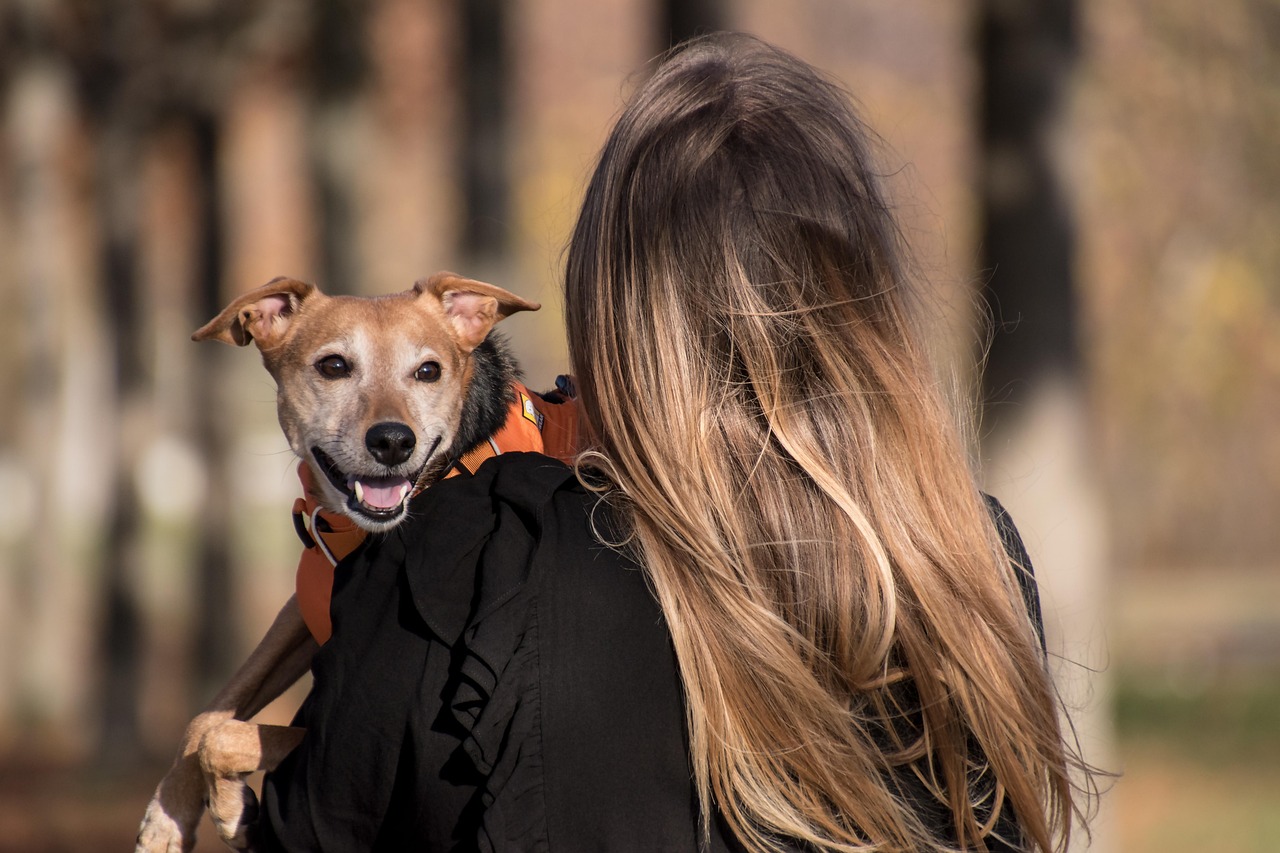
The viral adoption surprise is funny, but it also says something real about shelter dogs, breed guesses and why mixed-breed puppies can fool almost anyone.
The shelter photo seemed to tell a simple story: floppy ears, short light-brown fur, sweet face. To the couple who adopted her, Buffy looked like the kind of puppy who might grow into a Labrador-type dog.
Then she started growing. One ear began standing up, her pink nose became harder to miss, and the tidy Labrador theory began to fall apart in the most charming way.
Buffy’s lab look faded fast
According to the Daily Express, Buffy’s owners first saw her in an animal shelter profile and were quickly taken with her puppy face. They believed the rescue pup had the look of a Labrador, with soft coloring, droopy ears and an expression familiar to anyone who has scrolled through adoptable dog listings.
The owners later documented the surprise on Instagram under the account @buffy.the.egg.slayer, sharing her shelter photo and how different she became as she settled into life at home. The caption on the video, as reported by the outlet, summed up the twist: Safe to say she wasn’t a Lab…
The most obvious clue was her ears. Instead of staying floppy, one began to stand upright, a feature not typically associated with the classic Labrador look. Her distinctive pink nose also became more pronounced as she matured.
The kicker was in the paperwork. Buffy had not been officially listed as a Labrador. She was described as a mongrel, a broad term for a dog of mixed or uncertain heritage.
The paperwork was quietly honest
That detail matters. In many adoption stories, the breed label is treated like a promise. In reality, it is often closer to a best guess, especially when the dog is a young puppy and no DNA testing is involved.
Buffy’s case appears to be less a shelter mistake than a reminder of how much humans read into puppy features. A light coat and floppy ears can suggest Labrador to an excited adopter, but those traits can show up in countless mixed-breed dogs.
Animal shelters and rescues often work with limited information. They may not know the parents, the litter history or the full background of a dog brought in as a stray or surrendered without records. Staff may choose broad terms such as mixed breed, terrier mix, shepherd mix or Labrador mix because the dog resembles one category more than another.
That can be useful shorthand, but it is not a genetic report. In Buffy’s case, the generic label on the adoption record may have been the most accurate description available.
Puppies are expert disguises
One reason these stories resonate is that puppies are famously hard to predict. Their ears, coats, muzzles, body proportions and coloring can change dramatically over the first year.
A puppy with floppy ears may develop one or two upright ears. A compact little dog may become long-legged. A smooth coat can thicken, curl or shed into a different texture. Even color can shift as adult fur replaces puppy fuzz.
Mixed-breed dogs add another layer of unpredictability. A dog can inherit the face of one ancestor, the body type of another and the coat pattern of a third. Some traits stay hidden early and become obvious later.
That is part of the appeal for many adopters. You do not always get the dog you pictured. Sometimes you get a dog with a sideways ear, a pink nose and a personality that makes the original breed question feel irrelevant.
Why breed guesses can mislead
Breed labels can shape expectations before a dog even comes home. If someone believes they are adopting a Labrador, they may expect a certain size, energy level, trainability or temperament. Those expectations may be broadly reasonable for a known purebred Lab, but they become shaky when the dog is a rescue puppy of unknown heritage.
Visual breed identification is also imperfect. Studies and shelter-industry guidance have long noted that appearance alone can be unreliable, particularly for mixed-breed dogs. Even experienced dog professionals can disagree when looking at the same animal.
That does not mean breed never matters. Breed history can offer clues about energy, size, grooming needs or working instincts. But for an individual rescue dog, behavior, health, age, socialization and environment often tell adopters more than a guessed label.
For families choosing a dog, the better questions are practical: How active is this puppy? How does she respond to handling? Is she comfortable around children or other pets? What training support will she need? How large might she reasonably become based on current age, weight and vet guidance?
Adopters should expect surprises
Buffy’s story is lighthearted, but it carries a useful lesson for anyone browsing rescue profiles. A cute breed guess can start the conversation. It should not be the whole decision.
Before adopting a puppy with uncertain background, it helps to prepare for a range of outcomes:
- Size may change more than expected. Ask the shelter or a veterinarian for a growth estimate, but treat it as a range rather than a guarantee.
- Energy level can shift with age. A sleepy shelter puppy may become a high-drive adolescent once healthy and comfortable.
- Training needs are individual. Breed guesses do not replace consistent socialization, boundaries and reinforcement.
- Grooming may evolve. Puppy coats can change texture and density as adult fur comes in.
- DNA tests can be interesting, not destiny. They may reveal ancestry, but they do not fully predict personality.
The best adopters leave room for the dog to become herself. That means choosing based on fit and commitment rather than a fantasy of a specific breed.
The real win was the match
What makes Buffy’s story work is not that her owners were wrong. It is that being wrong did not ruin anything.
According to the Daily Express, the owners say they would not change a thing. The surprise became part of her charm, not a reason for regret. That is the healthiest version of a breed mix-up: the label falls away, and the dog remains loved.
There is also a broader adoption message here. Rescue dogs often arrive with incomplete histories, guessed ages, uncertain mixes and personalities still unfolding under stress. A shelter profile can introduce a dog, but it cannot fully define her.
Buffy may have entered her home as a supposed Labrador lookalike. She stayed because she was Buffy: odd ear, pink nose, mystery genes and all.









Leave a Reply