
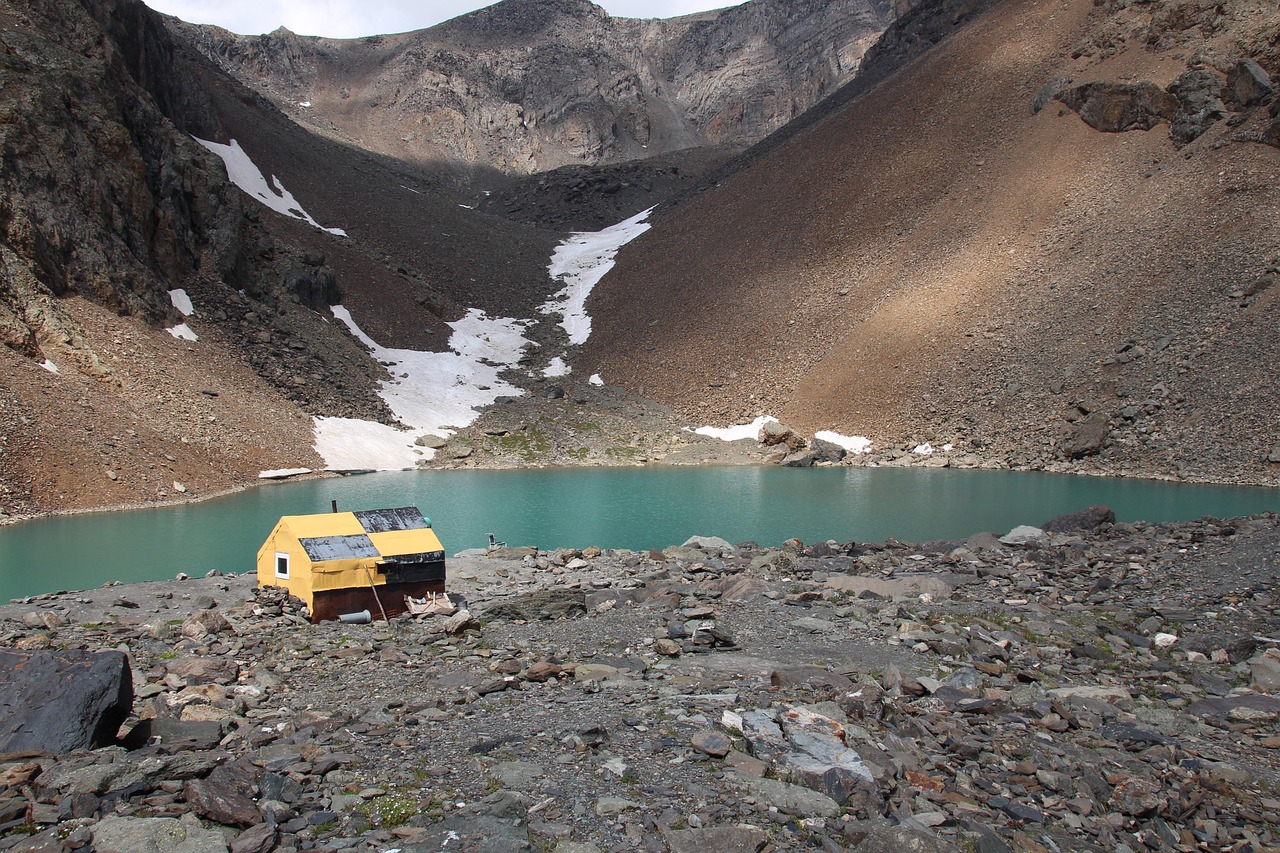
A remote Andes discovery is being talked about like buried treasure. The harder question is whether the world can afford to mine it carefully — or afford not to.
The treasure is not a chest of coins. It is copper, gold and silver locked in rock high in the Andes, where a discovery called Filo del Sol has drawn the kind of attention usually reserved for oil fields or tech stocks.
That attention comes with a catch. The same metals needed for electric grids, renewable power and batteries can be brutal to extract when they sit in remote mountains, in sulfide-rich ore bodies, near fragile water systems and at elevations where even basic construction is hard.
A jackpot in the Andes
Filo del Sol sits in the Vicuña district, a mineral belt straddling the Argentina-Chile border, with work centered around San Juan province in Argentina and Chile’s Atacama region. The project has been described by its operators as a major copper-gold-silver system, and industry interest has followed.
The scale is the reason it keeps getting called a treasure. Filo Corp, before it was acquired, reported long drill intercepts of mineralization and described the area as part of an emerging district with significant potential. Mining companies do not spend billions chasing ordinary rocks.
In 2024, BHP and Lundin Mining announced a deal to acquire Filo Corp and combine Filo del Sol with Lundin’s nearby Josemaria project in a 50-50 joint venture. Their transaction materials framed the combined Vicuña district as a major future copper opportunity.
That is the real story behind the hype: not a single glittering vein, but the possibility of a new district-scale source of metals at a time when the world is hunting for exactly that.
Why copper is the prize
Gold and silver make the word treasure feel natural, but copper is the strategic metal here. It carries electricity, which means it is built into power lines, transformers, wind turbines, solar farms, electric vehicles, charging networks and data centers.
The International Energy Agency has repeatedly identified copper as one of the minerals under pressure from the energy transition. A cleaner power system is not less material-intensive at the front end. It requires mines, processing plants, smelters, ports, railways and a long chain of permits and financing.
That is why a large undeveloped copper deposit can become a global story. If governments want more electrification, they need more copper. If they want that copper without new mines, the math gets ugly fast.
The U.S. Geological Survey lists Chile as the world’s leading copper producer, with Peru also among the biggest. Argentina has not historically been in the same top tier, which makes the Vicuña district especially interesting to miners looking for the next major supply source in South America.
The danger is not mythical
The warning that a deposit may be too dangerous to dig up should not be read as superstition. It is about engineering, chemistry, water and risk.
Filo del Sol is high in the Andes, where altitude alone changes everything. Roads, power, camps, emergency response and worker safety are more complicated. Snow, cold, wind and remoteness can turn routine logistics into expensive hazards.
Then there is the rock itself. Many copper deposits are associated with sulfide minerals. When sulfide-bearing waste rock is exposed to air and water, it can produce acid rock drainage, a well-documented mining risk described by agencies including the U.S. Environmental Protection Agency and geological surveys. Acidic drainage can mobilize metals and threaten streams or groundwater if it is not tightly controlled.
High-sulfidation copper-gold systems can also come with processing challenges, including arsenic-bearing minerals in some deposits of this type. Arsenic is toxic, and concentrates with high arsenic levels can face smelting penalties, stricter handling requirements or the need for more complex treatment. That does not mean every ton at Filo del Sol is unsafe to mine, but it does show why the word treasure can be misleading.
Clean energy has a mining problem
The uncomfortable part is that both sides of the argument can be right. The world needs copper to build cleaner energy systems. Mining copper can also damage landscapes, consume water and create waste that must be managed for decades or longer.
This is where the clean-energy story often gets too tidy. Solar panels and electric cars are visible symbols of decarbonization. The mines that feed them are usually far away, and the communities living near those mines carry more of the local risk.
In the Andes, water is one of the biggest sensitivities. Mining projects in arid or high-altitude regions must show how they will source water, protect watersheds and avoid long-term contamination. Technical studies, environmental impact assessments and permit conditions matter because promises are not the same as performance.
Companies tend to emphasize modern mine design, monitoring, lined facilities, water recycling and closure planning. Critics focus on the history of mining failures and the reality that tailings, waste rock and acid drainage can outlast the mine’s operating life. Both perspectives belong in the conversation.
Billions do not remove uncertainty
A major corporate deal is a signal, not a guarantee. BHP is one of the world’s largest miners, and Lundin Mining has deep experience in copper. Their involvement makes Filo del Sol and the broader Vicuña district more credible as development targets, but it does not make permitting, financing or construction simple.
Exploration results and mineral resource estimates are not the same as a producing mine. Companies still have to prove what can be mined economically, what processing route works, how much infrastructure is needed, and what environmental controls regulators will accept.
Commodity prices add another layer. Copper demand looks strong over the long term, but mine projects are judged against price cycles, capital costs, currency risk, taxes and political stability. A deposit can be geologically impressive and still take years to become a mine — or never become one at all.
That gap between discovery and production is why copper supply is so difficult to expand quickly. New mines often take more than a decade to move from early discovery to full operation. By the time the world realizes it needs more metal, the easy response is already too late.
The real takeaway
Calling Filo del Sol one of the world’s great treasures is a dramatic way to say something true: large, high-quality copper opportunities are becoming more valuable. The energy transition has turned certain rocks into strategic assets.
But the phrase also hides the hard part. A treasure underground is not automatically a public good. It becomes useful only if it can be extracted, processed and transported without creating damage that outweighs the benefits.
The decision ahead is not as simple as dig it up or leave it alone. It is whether regulators, companies and communities can set standards high enough that a major copper project earns its social and environmental license, not just its financial one.
That is why this Andes discovery matters beyond mining circles. It shows the central bargain of the clean-energy age: the world wants a lower-carbon future, but it still has to decide where the materials come from — and what risks are acceptable to get them.







Leave a Reply