
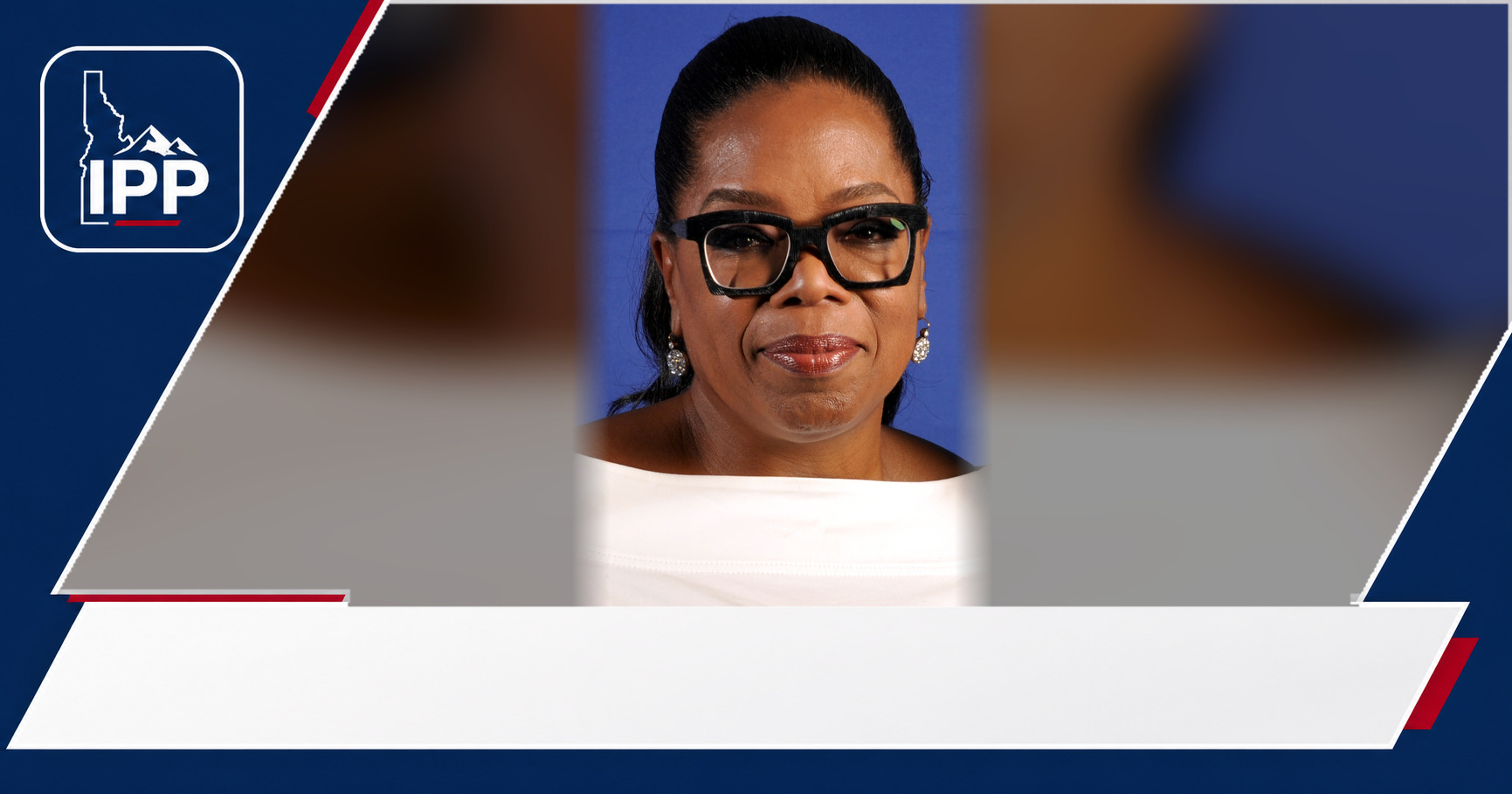
Winfrey is drawing a firm line between the daytime-TV platforms she helped build and the political identities of two men who became major figures in conservative media and the Trump administration.
Oprah Winfrey publicly distanced herself from Dr. Phil and Dr. Oz, saying they have “not one thing to do with me” as both former television colleagues have developed close ties to Donald Trump. Winfrey’s remarks address a long-running criticism: she gave Phil McGraw and Mehmet Oz early national platforms, but says their later political paths are their own.
The issue matters because Dr. Phil and Dr. Oz did not simply become familiar daytime-TV names after appearing on The Oprah Winfrey Show. Oz now serves in the Trump administration, while McGraw has publicly supported Trump, turning an old television success story into a debate about influence, accountability and celebrity power.
Winfrey draws a clear line
In an interview with Emmy Magazine, published Aug. 11, Winfrey addressed critics who connect her to the views and politics of the two men she helped introduce to broad audiences.
“Everybody has their own path in life, and it has not one thing to do with me, and I don’t have one thing to do with them,” Winfrey said. She said her original decision to feature them reflected the information and help she believed they could offer viewers at the time.
That is an important distinction in Winfrey’s account. She is not disputing that her show gave McGraw and Oz valuable exposure. She is rejecting the idea that an early television endorsement makes her responsible for every professional, political or ideological choice that followed.
The Oprah platform was enormous
Before launching their own programs, both men benefited from one of the most influential stages in daytime television. McGraw first appeared on Winfrey’s show in 1998 after helping her with a legal matter involving the Texas cattle industry.
Winfrey told Emmy Magazine that she found McGraw practical, direct and helpful, and believed he could help many more people. His appearances led to the long-running Dr. Phil, which aired from 2002 to 2023.
Oz came to Winfrey through her close friend Gayle King and first appeared on the program in 2004. Winfrey said she valued his ability to explain medical subjects in language she could understand and thought the audience would benefit from it as well.
The Dr. Oz Show later ran from 2009 to 2022. Those careers illustrate why critics still raise Winfrey’s name: appearing on her show could confer instant familiarity, trust and a path toward much larger media ventures.
Politics changed the old association
The relationship looks different now because both men have become associated with Trump-era politics. Oz, a cardiothoracic surgeon and former television host, is serving as administrator of the Centers for Medicare & Medicaid Services in Trump’s administration.
McGraw, a psychologist and television personality, is not a member of the administration. But he endorsed Trump at a campaign event before the 2024 election and has expressed support for Trump’s immigration policies on social media.
Winfrey has taken a markedly different political position. She endorsed then-Vice President Kamala Harris at the 2024 Democratic National Convention and argued that values, character, decency and respect mattered in the election.
Her statement therefore lands as more than a routine clarification of an old professional relationship. It is a public separation from people whose political standing now sharply contrasts with her own.
Why critics still connect them
There are two reasonable views of Winfrey’s role. One is that she made a programming choice based on what she believed would be useful to viewers, years before either man’s current political profile emerged. By that measure, she cannot be expected to predict their future affiliations or views.
The other is that major media figures have an obligation to reckon with whom they elevate. A trusted introduction from Winfrey was not an ordinary booking; it came with the credibility of a host whose recommendations carried unusual cultural weight.
Winfrey’s answer acknowledges the first part without accepting the second as an unlimited obligation. She says she gave them their breaks because their advice had been meaningful to her, not because she was endorsing every direction their careers might later take.
That framing will not end the debate, especially given the scrutiny Oz faced over health claims during his television years and his later move into government. But it explains why Winfrey is speaking in such direct terms now.
A familiar question for celebrity mentors
The larger question extends beyond this trio: How long does a mentor, producer or influential host remain tied to someone they helped make famous? In entertainment, the answer is often complicated by the fact that an early boost can shape a career without controlling it.
Winfrey’s position is that the connection has a historical boundary. She can explain why McGraw and Oz were invited onto her program, while refusing ownership of their subsequent political identities.
For viewers, the episode is also a reminder that television’s old endorsements can have a very long afterlife. A segment designed to offer practical advice or make complex health topics accessible can eventually become part of a much bigger argument about public trust.
The facts of the professional history are not in dispute: Winfrey gave both men high-profile opportunities, and both built major careers afterward. What remains contested is the moral weight that should attach to that early support—and Winfrey has made clear where she believes it ends.




Leave a Reply