
Ryder Williams came to the White House after rescuing a 10-year-old boy from rough California surf. The meeting also became a reminder of how quickly a ceremonial moment can be overtaken by questions about the USS Abraham Lincoln and its sailors.
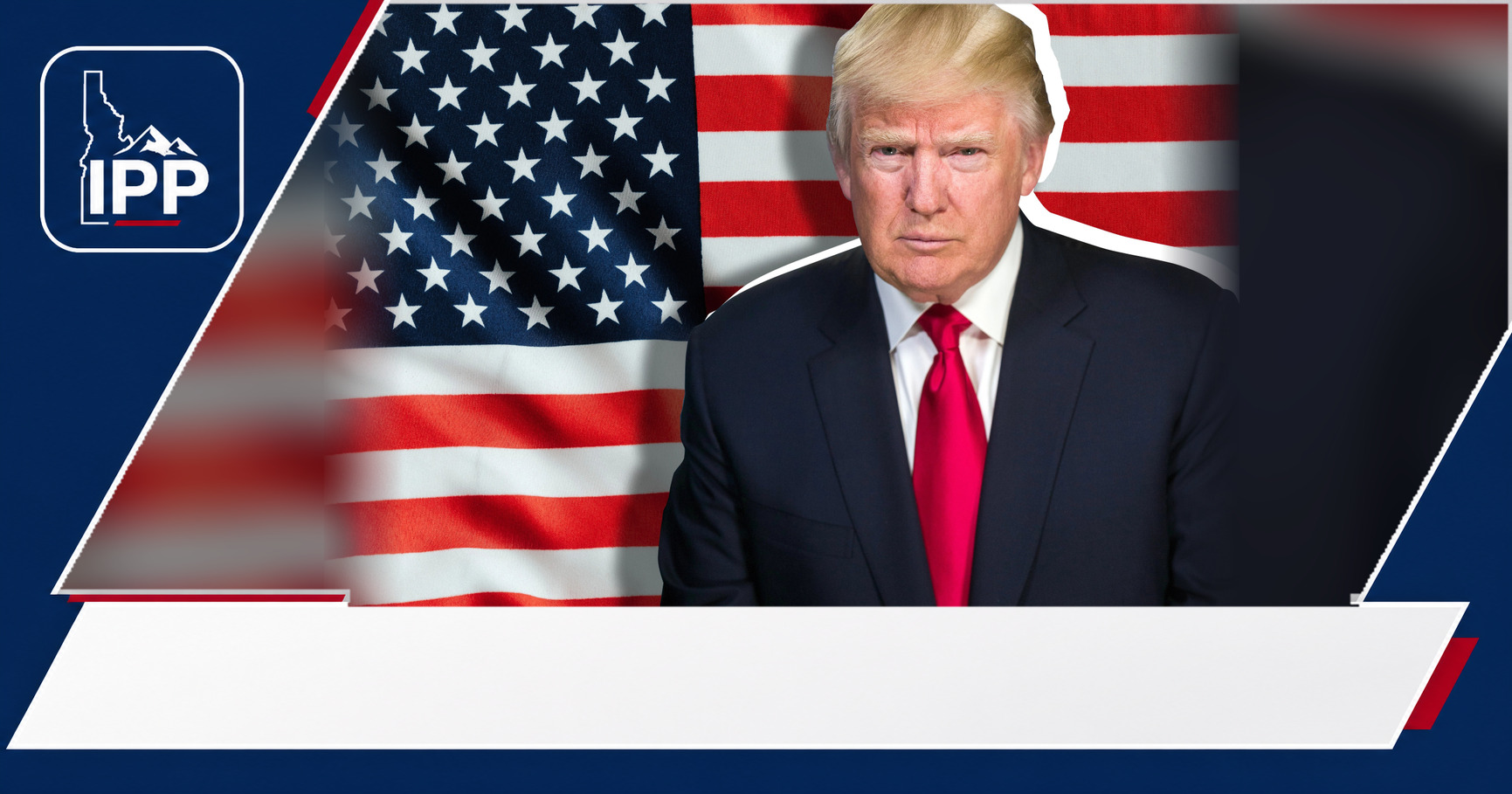
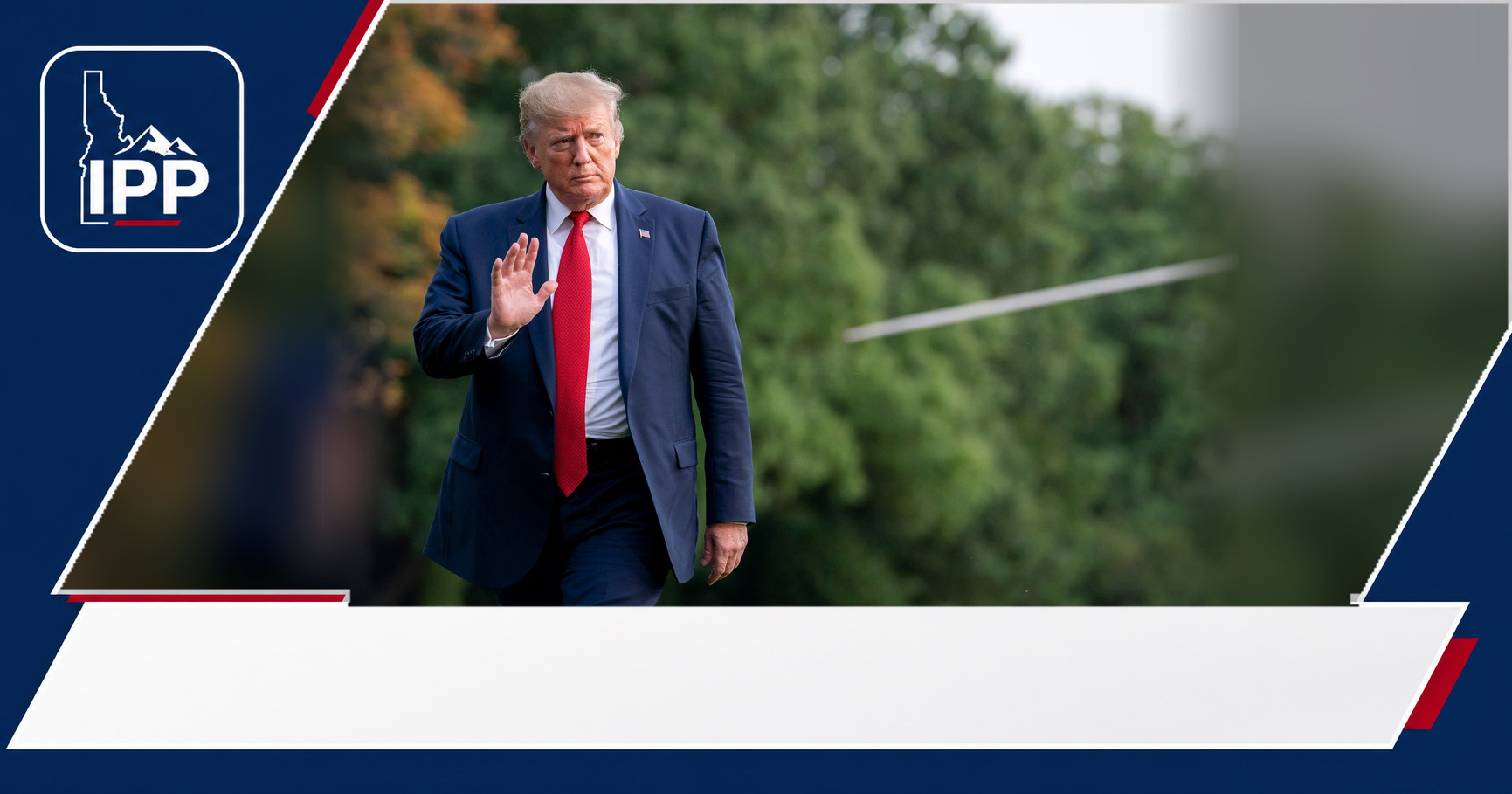
Donald Trump discussed the USS Abraham Lincoln while meeting 16-year-old lifeguard Ryder Williams at the White House, where Williams appeared visibly uncomfortable in footage highlighted by the encounter’s critics. The meeting was meant to recognize Williams for rescuing a 10-year-old boy from rough surf in California, but questions about the carrier’s deployment shifted the focus from a teen’s act of courage to Trump’s handling of a military controversy.
Williams’ reaction is open to interpretation, and no public account establishes what he was thinking. What is clear is that the Oval Office event placed a teenager being honored for a rescue beside a president facing scrutiny over the welfare of sailors aboard the USS Lincoln.
A rescue that brought Williams to Washington
Ryder Williams, a 16-year-old lifeguard, rescued 10-year-old Nathaniel Rai at a California beach on July 25, according to the BBC. Rai had been swept roughly 15 yards offshore in rough surf when Williams reached him.
Several beachgoers also joined the rescue, the BBC reported. The White House meeting was therefore built around a straightforward and widely understandable purpose: honoring a young person who acted during a dangerous emergency.
Trump met both Williams and Rai and said Williams would receive a “High Civilian Honour,” according to the BBC’s report on the meeting. The recognition gave the event a celebratory frame before reporters turned it into a broader question-and-answer session.
The USS Lincoln questions changed the room
CBS News reported that Trump took questions during the Oval Office meeting about Iran, conditions aboard the USS Abraham Lincoln and other issues. That matters because the ship had already become the subject of public concern well beyond the White House ceremony.
The teen lifeguard’s appearance in that setting became the subject of online attention after viewers interpreted his demeanor as uneasy. A visible reaction in a brief video, though, cannot reliably explain a person’s feelings; a young guest facing cameras, reporters and the president has many reasons to look reserved.
The more solidly documented issue is the one behind the questions: the length and conditions of the Lincoln’s deployment. That controversy, rather than any one facial expression, is what gave the exchange political weight.
Why the carrier is under scrutiny
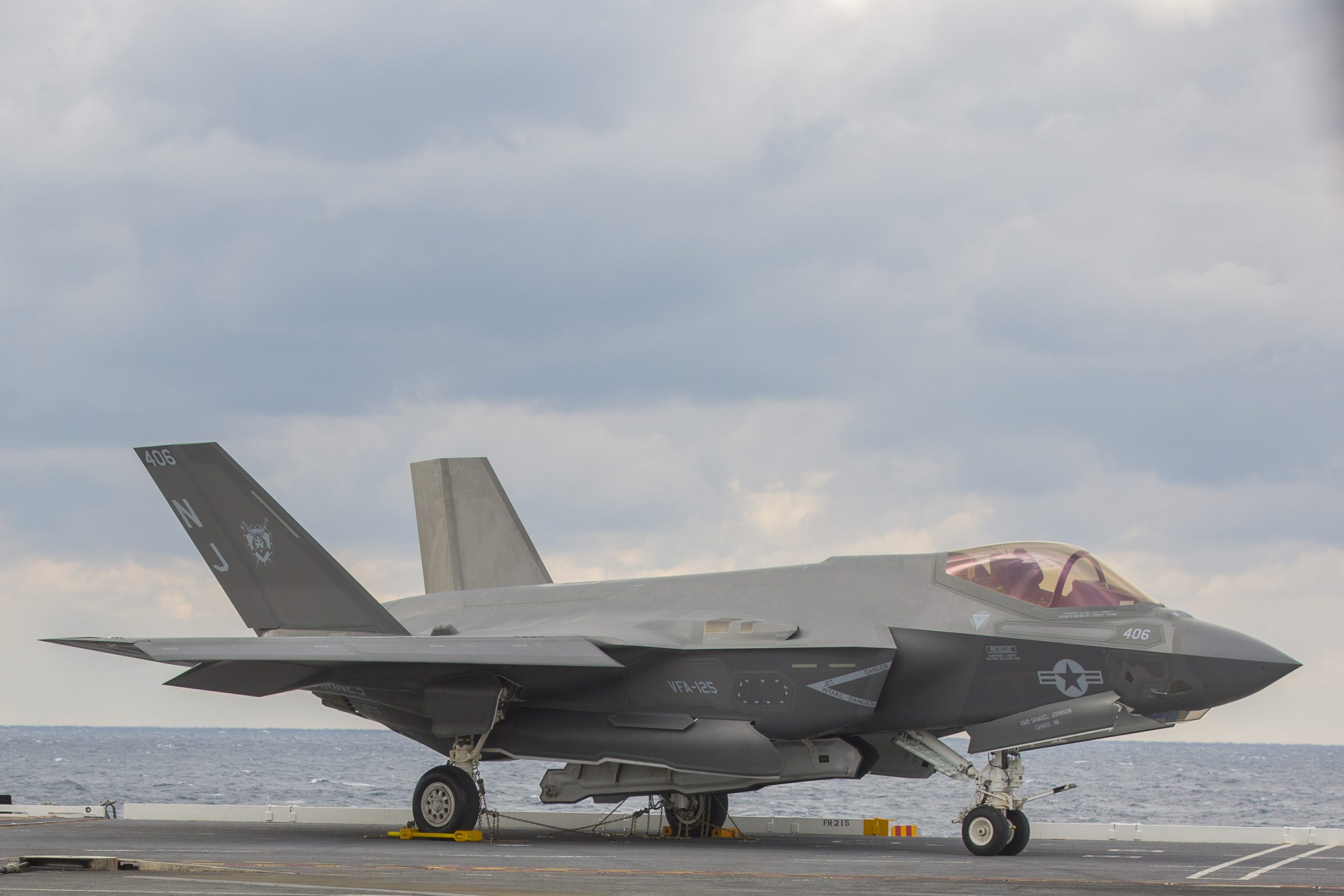
NPR reported that the USS Abraham Lincoln had been at sea for nearly nine months and that the USS George Washington was en route to relieve it, according to a U.S. defense official who was not authorized to speak publicly.
Families of sailors told NPR of concerns including food shortages, plumbing problems and deteriorating mental health. NPR also reported claims of attempted overboard incidents but said it had not independently confirmed those reports.
On Aug. 14, Trump was asked whether the deployment had lasted too long. “No, not nearly long enough,” he said, according to NPR. That line became especially contentious because it came amid accounts from relatives of sailors who said crew members were exhausted and struggling.
The administration disputes a bleak picture
Acting Navy Secretary Hung Cao defended the extended mission in a statement reported by NPR, saying the conflict with Iran required it. He said a small number of mental-health cases had been treated without loss of life.
Cao also said meal plans were adjusted when fresh resupply was unavailable, but that no meal was missed. Calls home were limited, he said, when the operational threat was too high.
His statement acknowledged that sailors had been pushed to their limits while rejecting the idea that the crew had broken. That distinction sits at the center of the dispute: critics see warning signs of an overstretched deployment, while the administration describes difficult but managed wartime conditions.
A ceremony caught in political crosscurrents
The White House meeting united two very different stories. One was Williams’ rescue, which earned recognition because he acted quickly when a child was in danger. The other was the president’s response to questions about sailors serving on a carrier whose mission had been extended.
For a teenager invited to receive praise, the sudden pivot to military policy and press questions could make for an unusually intense public moment. Still, it is fairer to describe his apparent discomfort as a viewer interpretation than as a known fact about his state of mind.
The episode also shows how presidential events rarely remain confined to their intended message. A recognition ceremony can be overtaken in seconds when reporters raise a pressing national issue, and the resulting footage can become its own political argument.
What remains unresolved for sailors
The key unanswered question is whether the Lincoln’s extended mission and onboard conditions are being adequately addressed as the relief ship approaches. Democrats, including Sen. Ruben Gallego of Arizona, have called for Pentagon scrutiny and accountability, NPR reported.
There is no dispute that the crew has endured a demanding deployment. The disagreement is over how severe the hardship has been, whether the administration acted appropriately and what oversight is needed before the next prolonged mission tests sailors and their families in similar ways.
Williams’ rescue remains the clearest part of this story: he helped save a child in dangerous surf. The White House moment around it became memorable for a different reason—because the USS Lincoln debate followed him into the room.





Leave a Reply