
Trump’s posts placing himself beside revered former presidents do more than flatter the current president. They use AI’s visual shorthand to make a political argument without stating it outright.
Donald Trump repeatedly posted AI-generated images of himself with deceased U.S. presidents, including John F. Kennedy and George Washington, during a larger Truth Social posting spree. Experts say the posts are not just about his ego: the political messaging behind the images places Trump visually among figures associated with the country’s founding, wartime leadership and national mythmaking.
The images matter because AI makes that argument instantly, without a speech, historical claim or formal campaign advertisement. A picture of Trump beside JFK or rescuing Washington can function as a flattering joke to supporters, a provocation to critics and a claim to presidential stature all at once.
Presidents Become Political Props
According to Forbes, Trump posted 43 images on Truth Social over several hours on a Sunday, with many appearing to be AI-generated caricatures or deepfakes. The posts ranged from attacks on critics to images concerning Iran, but several put Trump in direct visual conversation with American history.

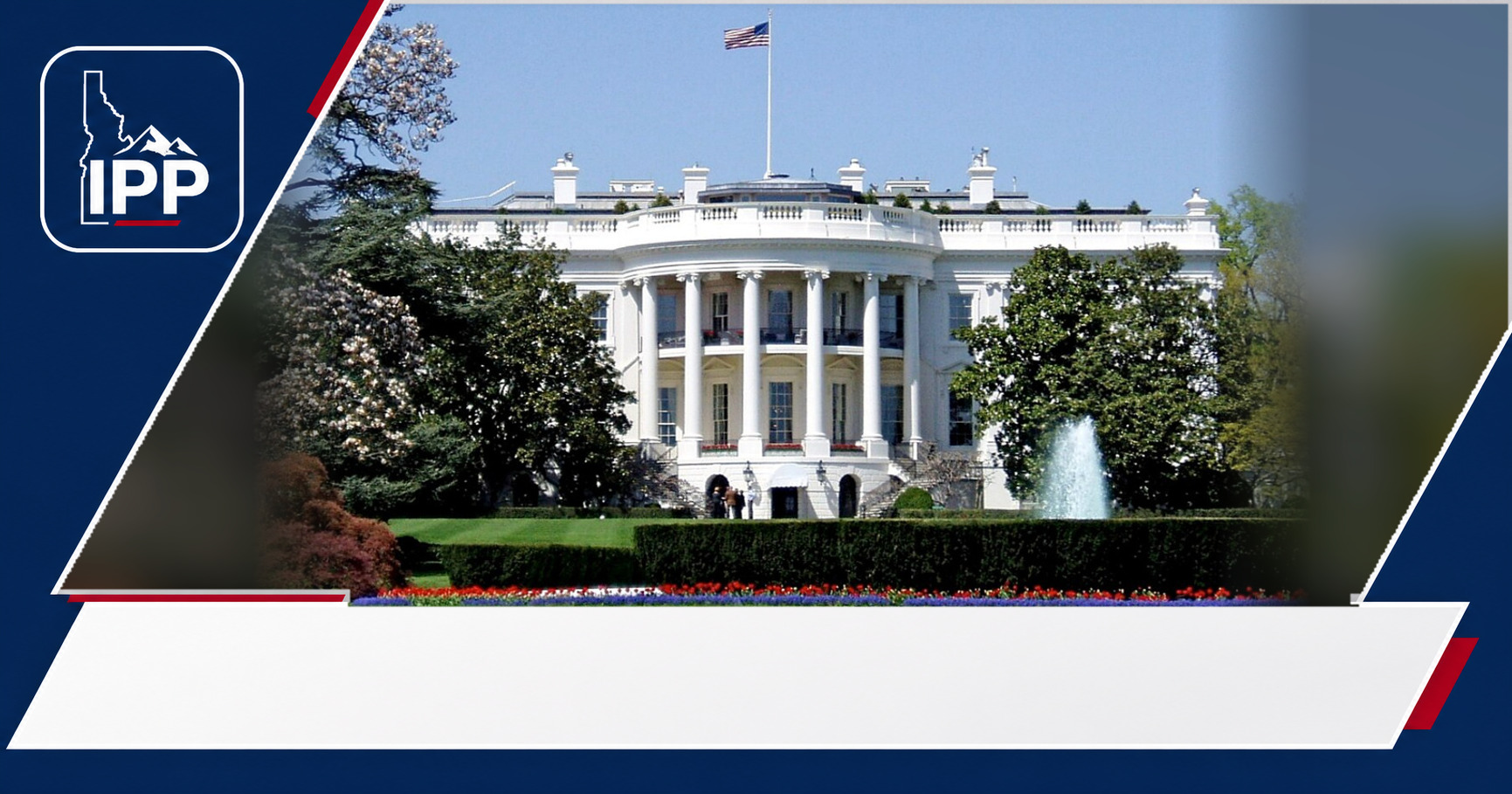
One image labeled “America First” showed Trump flanked by figures appearing to be George Washington, Thomas Jefferson and Alexander Hamilton. Another placed a present-day Trump beside John F. Kennedy outside the White House. A separate fake movie poster, “Trump X Washington,” portrayed Trump saving the first president.
Those choices are not random. Washington is a near-universal symbol of the republic’s founding, while Kennedy carries associations with youthful leadership, glamour and a lost era of presidential confidence. Putting Trump alongside them invites viewers to supply the comparison themselves.
Why AI Changes The Calculation
Political leaders have long used staged photographs, patriotic backdrops and historical references to shape an image. Generative AI lowers the cost and raises the speed of that exercise. It can create an elaborate scene that would be impossible to photograph, then package it for rapid circulation on social media.
The technology also gives political messaging a useful ambiguity. A supporter may treat an image as satire, a meme or a playful tribute. A critic may see self-aggrandizement or propaganda. The post can draw attention from both groups while avoiding the precise language that a conventional political statement would require.
That ambiguity does not erase the message. When a president shares rather than merely encounters an AI image, the act of posting gives it official relevance, even if the image carries no policy announcement or caption explaining its purpose.
A Claim To Historic Scale
The central implication of these images is a claim to historic scale. Trump is not simply presented as a contemporary officeholder dealing with current disputes; he is positioned among foundational or iconic presidents, and in one image as Washington’s rescuer.
For supporters, that can reinforce a familiar view of Trump as an outsider who restored power to voters and challenged institutions they distrust. The “America First” framing connects the historical imagery to a political slogan and worldview that has been central to Trump’s movement.
For opponents, the same imagery can read as an effort to elevate Trump above criticism by wrapping him in national symbolism. That split is part of the post’s political value: it energizes allies, outrages detractors and extends the argument across news coverage, reposts and commentary.
The Spree Went Beyond History
The former-presidents images were part of a much broader batch of posts. Forbes reported that Trump also shared AI-generated material mocking journalists, entertainers and other critics, along with images that appeared to threaten Iran and posts reviving the idea of a 2028 presidential run.
The 2028 references carry a clear constitutional complication. The Twenty-Second Amendment says no person may be elected president more than twice, and Trump has already been elected twice. An AI post cannot change that limit, though it can keep the idea in public view and test how audiences react.
Seen together, the posts show AI being used for several related purposes: ridicule, grievance, fantasy, threat and self-promotion. The images with Washington and Kennedy are the prestige-building version of the same strategy.
The Record Needs Clear Labels
There is a legitimate free-expression argument for treating political AI images as modern editorial cartoons. Political figures have always exaggerated their strength, mocked rivals and borrowed historical symbols. Supporters may reasonably view these posts as obvious visual satire rather than attempts to deceive.
But the ease of making persuasive synthetic imagery creates a separate problem, especially when the person posting is the president. Repeated use can normalize a media environment where dramatic images circulate faster than viewers can establish what is authentic, fictional, humorous or intended as a factual depiction.
The concern is less that anyone will literally believe Trump stood beside JFK or saved George Washington. It is that images can make a broader emotional claim feel familiar before it is examined: Trump belongs in the same historical category as the nation’s most memorable leaders.
What The Images Leave Unanswered
Trump did not provide context in the JFK post described by Forbes, leaving viewers to infer its intended meaning. It is also unclear who creates each image, what role staff may play in selecting them, and whether future posts will carry labels identifying synthetic content.
Those unanswered questions matter because the format is likely to outlast any single posting spree. AI-generated political imagery is fast, inexpensive and designed for emotional impact—qualities that fit the incentives of online politics.
For now, the clearest takeaway is that Trump’s images with deceased presidents are not merely decorative memes. They are a compact political story about legacy, strength and belonging in the presidential pantheon, delivered in a format built to be noticed before it is debated.




Leave a Reply