
The sentence closes one chapter of a highly disruptive 2024 protest while leaving a familiar civic argument unresolved: where protected protest ends and punishable disruption begins. The defendants are not expected to begin serving their sentences while appeals are pending.
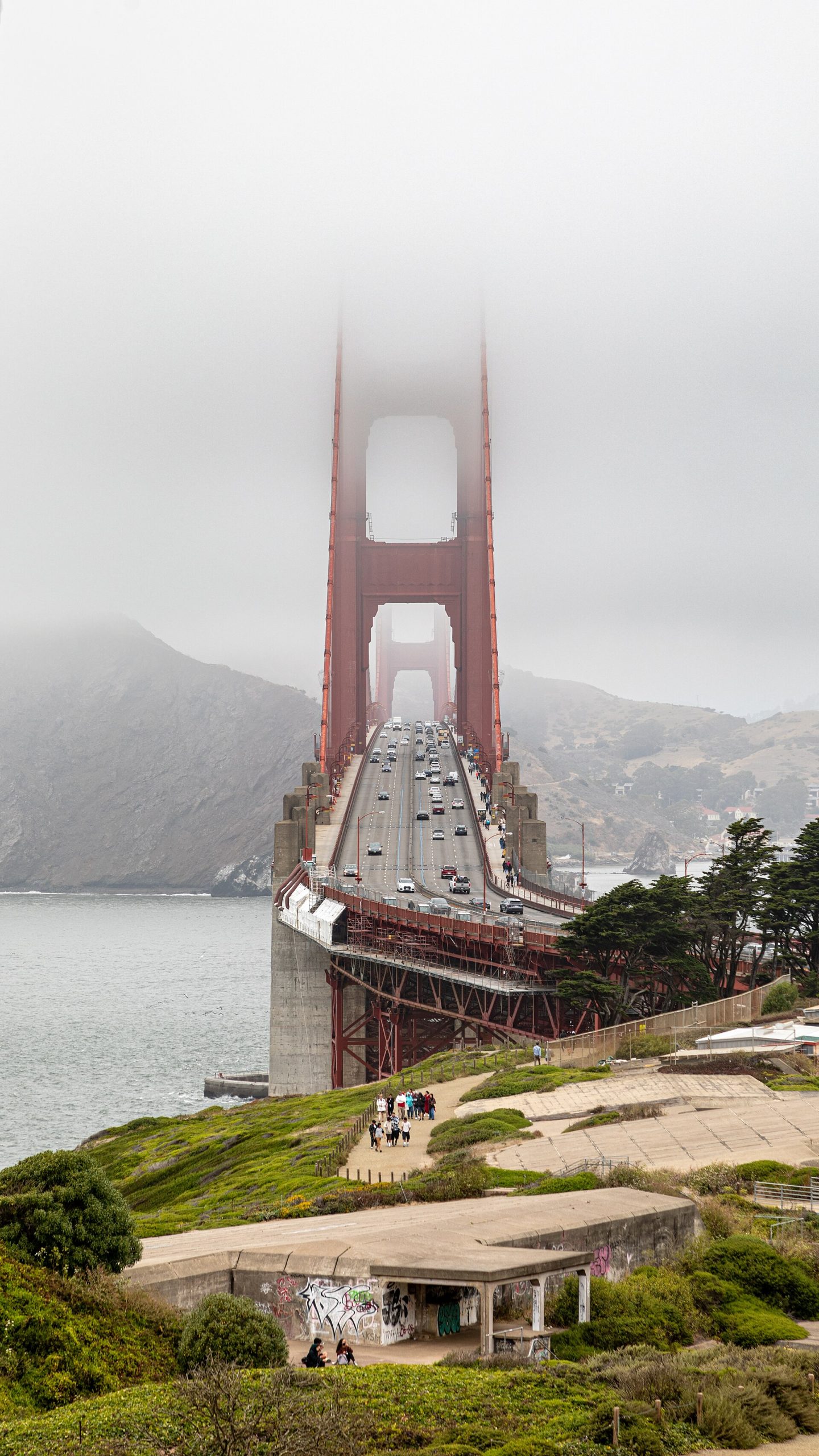
A San Francisco Superior Court judge sentenced seven protesters who shut down the Golden Gate Bridge in 2024 while demonstrating against the war in Gaza. The sentence includes 30 days in jail, six months of probation and $1,000 fines; because of time already served, the group will likely spend another 11 to 13 days behind bars.
The punishment is a consequential outcome for a protest that halted traffic for four hours on April 15, 2024. The defendants plan to appeal, and they will not be required to begin their sentences until those appeals are resolved.
What the seven protesters received
After a two-month trial, a jury convicted Bhavika Anandpura, Sarah Ferrell, River Allen, Rocky Chau, Conrad de Jesus, Em Tillotson and Sara Cantor of misdemeanor offenses tied to the bridge blockade, according to the San Francisco Chronicle.
The convictions included false imprisonment, obstruction of a thoroughfare and unlawful assembly. Cantor was also convicted of a misdemeanor count of refusing to disperse.
Judge Teresa Caffese imposed 30 days in county jail, with credit for time already served, along with six months of probation. Each defendant was fined $1,000 and may elect to spend an additional 13 to 15 days in a work program.
The practical jail-time calculation matters. The Chronicle reported that the seven will probably serve 11 to 13 more days, rather than the full 30 days, if the sentence ultimately takes effect.
A four-hour bridge shutdown
Just before 8 a.m. on April 15, 2024, several vehicles stopped together on the Golden Gate Bridge. Protesters emerged to call for an end to Israel’s war in Gaza, stopping traffic across the landmark span for about four hours.
Some demonstrators linked themselves with metal bars, a method law enforcement refers to as a “sleeping dragon.” The tactic made removal more difficult and extended the roadway closure.
The bridge is not simply a symbolic site. It is a vital link between San Francisco and Marin County, so a prolonged closure can affect commuters, workers, emergency access and people trying to reach appointments. That real-world interruption became central to the prosecution’s case for consequences beyond a fine or alternative program.
District Attorney Brooke Jenkins said the blockade jeopardized the health and welfare of people traveling across the bridge. Her office cited accounts including a person who missed a medical appointment, nurses delayed from getting to work and families caught in the standstill.
Why the felony case ended
The defendants initially faced substantially more serious exposure. The seven avoided a possible maximum sentence of 15 years after jurors deadlocked 10-2 on a felony conspiracy allegation, with 10 jurors voting guilty, the Chronicle reported.
Jurors also deadlocked 11-1 on a misdemeanor trespassing count, with the majority favoring acquittal. Assistant District Attorney Angela Roze said prosecutors would dismiss the unresolved charges in the interests of justice, removing the prospect of a retrial on those counts.
That distinction is important. The sentence follows convictions for misdemeanors, not a felony conspiracy conviction, even though the original charging decision drew public attention and sharp criticism from protest supporters.
Jenkins had charged 26 people connected to the bridge action. A judge later found insufficient evidence to pursue more serious charges against most of the defendants, according to the Chronicle.
The court’s view of disruption
Caffese said the defendants were not being punished for their political views. But she concluded that their purpose on the bridge was to cause disruption and said the record did not support treating the conduct as lawful simply because it was motivated by conscience.
The judge pointed to the fact that the protest received media attention within roughly an hour and said the participants could have ended the action then. She also said that civil disobedience carries responsibility, invoking examples of protests that accepted legal consequences.
Caffese denied requests for diversion. She also rejected a request for Chau to serve his custody term through home detention, though she allowed him to serve it nonconsecutively because he cares for his older mother.
For Cantor, who uses a cane, the judge allowed home detention. Her attorney had said she was placed in solitary confinement during an earlier jail stay after staff treated the cane as a potential weapon.
Defense attorneys challenge the penalty
The defense and civil-rights advocates framed the case differently: as an unusually harsh response to nonviolent protesters with clean records acting from political and moral conviction. A juror whose letter was read in court said the defendants appeared empathetic and well-intentioned, while also saying the misdemeanor convictions were warranted.
After sentencing, attorneys argued that county jail was excessive when electronic monitoring, home detention or work programs could have been used. Deputy Public Defender Nuha Abusamra questioned why jail was chosen when alternatives are often available to misdemeanor defendants, including some with prior records.
That disagreement captures the larger tension. Public officials argue that blockading a bridge crosses from protected expression into conduct that endangers others and requires deterrence. Supporters argue that severe punishment can chill political dissent, particularly protest against U.S. support for Israel during the Gaza war.
Appeals will determine the next step
The immediate consequence is not that the seven protesters will be taken directly to jail. Their attorneys said they intend to appeal, and the court will not require the sentences to be served until there is an outcome in those appeals.
The case therefore remains unfinished. The convictions, dismissed deadlocked counts and sentence can all be examined through the appellate process, while the central facts of the Golden Gate Bridge shutdown continue to shape the debate over how far protest can go on critical public infrastructure.
For San Francisco, the ruling delivers accountability that prosecutors had sought without the felony outcome they originally pursued. For the defendants and their supporters, it creates a new legal test of whether the sentence properly reflects misdemeanor conduct, the disruption it caused and the political context that drove the protest.




Leave a Reply