

The proposed transfer would be the Trump administration’s biggest payment to the United Nations so far, but it would cover only a fraction of outstanding U.S. obligations. Its split between the regular budget and peacekeeping shows where Washington is choosing to re-engage — and where tensions remain.
The United States plans to pay $850 million to the United Nations while still owing approximately $5 billion in U.N. dues. The U.S. government has notified Congress of the proposed partial payment, which would direct $725 million to the regular U.N. budget and $125 million to peacekeeping operations in Haiti and the Democratic Republic of Congo.
The plan matters because it would be the Trump administration’s largest payment to the United Nations after a period of withheld funding, withdrawals from U.N.-linked bodies and demands for sweeping reforms. It also leaves the central financial problem intact: the proposed payment covers only a slice of the roughly $5 billion the United States is behind on.
A large payment, but not full payment
The proposed $850 million transfer is substantial by recent standards. According to notifications sent to lawmakers this month and obtained by The Associated Press, the State Department intends to put most of the money — $725 million — toward dues for the regular U.N. budget.
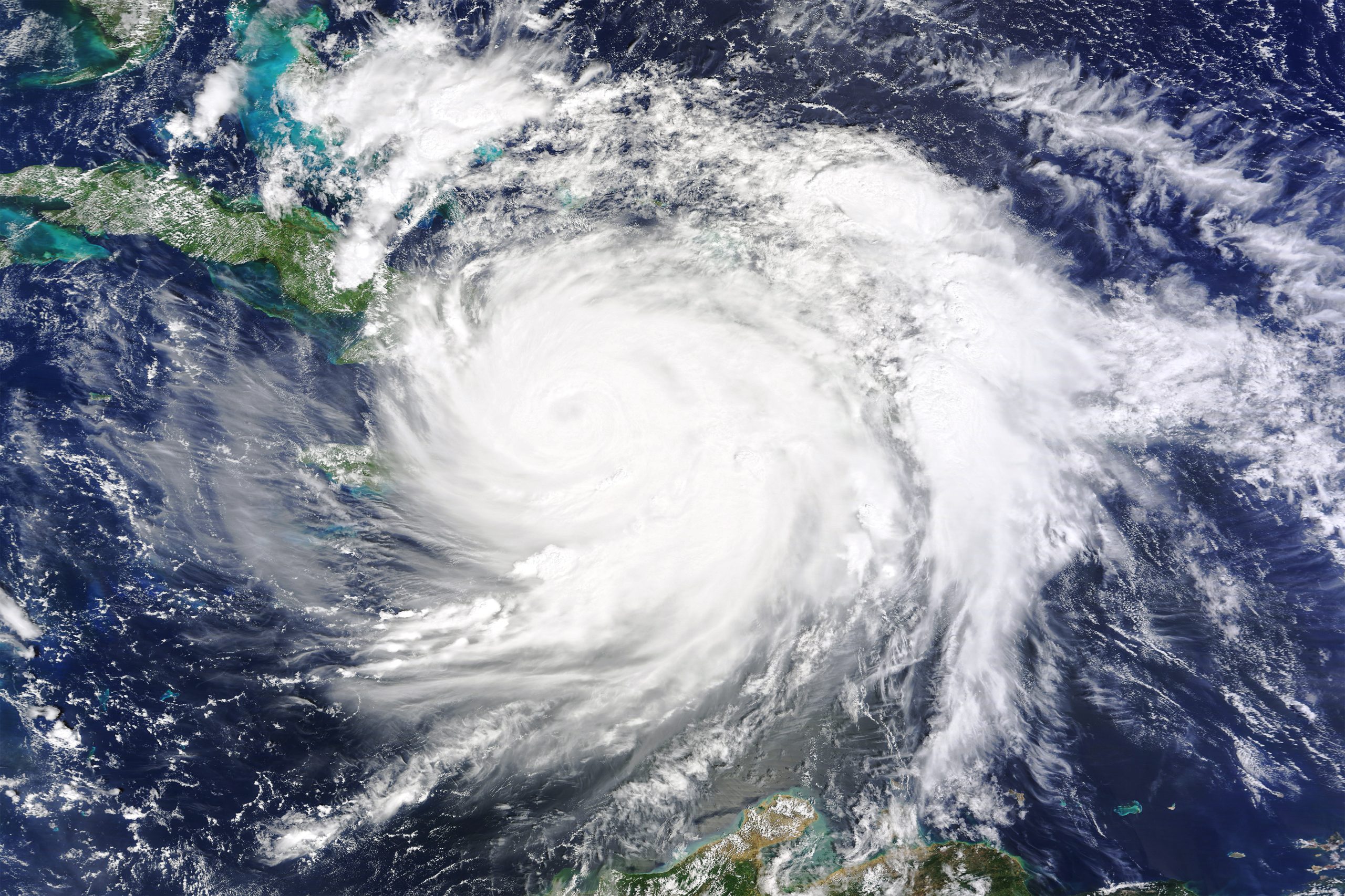
The remaining $125 million would go toward U.N. peacekeeping operations in Haiti and the Democratic Republic of Congo. Those missions are part of the separate peacekeeping account, which relies on assessments paid by member states.
Still, the numbers underline the scale of the gap. The United Nations says the United States is about $5 billion behind on obligations tied to its membership: more than $2 billion for the regular budget and about $3 billion for peacekeeping.
Put another way, the planned payment would address less than one-fifth of the stated arrears. It is a meaningful injection of cash, but not a settlement of the broader debt.
Congress has been put on notice
The administration notified Congress on Aug. 4, AP reported. That step does not erase the political questions surrounding the money, particularly because some Republicans on Capitol Hill have objected that the plan does not go far enough in attaching conditions to U.S. support.
A Republican congressional aide told AP that lawmakers had not decided whether or how to respond to the notifications. The aide said concerns included whether the plan was sufficiently firm about withholding U.S. assistance from the U.N. agency for Palestinian refugees.
That pushback reflects a larger divide over the institution. Critics in the administration and among its allies argue that the United Nations has bloated staffing and embraces positions that conflict with Trump’s anti-“woke” agenda. Supporters of restoring payments point to the U.S. role as the U.N.’s largest donor and to the operational consequences when major assessments go unpaid.
The U.S. mission to the United Nations did not immediately respond to AP’s request for comment on the plan.
Why the U.N. budget crunch matters
U.N. dues are not simply voluntary donations. Member states are assessed amounts for the organization’s regular operations and for peacekeeping, and the United States has historically carried the largest share because of the size of its economy.
The regular budget supports the U.N.’s core work, while peacekeeping finances multinational missions authorized to help stabilize conflict-affected areas. The announced allocation signals that the administration is prepared to send money into both accounts, even as it continues to question the direction and management of the broader U.N. system.
Earlier this year, Secretary-General António Guterres warned that the organization faced “imminent financial collapse” unless its financial rules changed or all 193 member states paid what they owed. The warning was widely understood as directed especially at the United States, given the size of the American backlog.
When major contributors fall behind, the impact can extend beyond diplomatic headquarters. Humanitarian operations, administrative functions and peacekeeping support can all face strain when available cash is insufficient to meet approved budgets.
The payment follows a funding freeze
The proposed transfer comes after a sharply different approach in 2025, when the Trump administration did not make payments to the United Nations, according to AP. In February, it made a separate $160 million payment after Guterres issued his financial warning.
That February payment and the new $850 million plan suggest the administration is not abandoning the U.N. financial relationship altogether. But its approach remains selective and confrontational rather than a return to routine, full funding.
President Donald Trump and his allies have spent the past year and a half calling for extensive changes across the U.N. Trump has publicly criticized the organization for failing to live up to its potential.
The administration has also withdrawn from U.N. organizations including the World Health Organization and UNESCO, the U.N.’s cultural agency, while pulling funding from dozens of others. Humanitarian workers have warned that the pullbacks have contributed to severe reductions in programs and services.
Reform pressure remains part of the deal
The key question is whether this payment marks the beginning of a sustained effort to reduce U.S. arrears or a limited move designed to preserve leverage. The administration has tied continued support for the world body to reforms, making the payment part of a wider argument over what the United Nations should do and how it should be run.
For the United Nations, $850 million would provide needed cash. For Washington, it offers a way to meet part of its outstanding obligations while still signaling dissatisfaction with the institution’s priorities and spending.
Both perspectives can coexist. The United States can argue that a major donor has a legitimate interest in accountability, while U.N. officials and aid advocates can argue that long-running arrears undermine work that member states have already authorized.
What remains unclear is whether Congress will challenge the proposed transfer, whether additional payments will follow, and what specific reforms the administration would regard as sufficient. For now, the plan is best seen as a partial reset: a large payment that acknowledges the bill, without coming close to clearing it.




Leave a Reply