

The Senate’s unanimous consent agreement cleared several items but left a Trump-backed voter eligibility measure unresolved. The episode highlights the practical limits of a White House push when leadership does not have the votes or time to move a bill.
The 100-member U.S. Senate unanimously agreed to leave for its August recess, and Donald Trump’s SAVE America Act was left unpassed as lawmakers adjourned until September 14. Trump had urged the Senate to cancel its August break to pass the measure, but the chamber’s exit sidelined the bill for now.
The immediate result is straightforward: the Safeguard America Voter Eligibility, or SAVE America, Act did not receive Senate passage before recess. The more revealing question is why a Senate that could unanimously consent to a departure could not deliver the vote Trump and several Republican senators wanted.
Recess agreement was not bill support
“Unanimous” can sound like full political agreement, but Senate procedure makes the word more complicated. According to an account published on Sen. Jim Banks’ website, every senator consented to an agreement that set up votes on a limited group of items and allowed the chamber to adjourn.
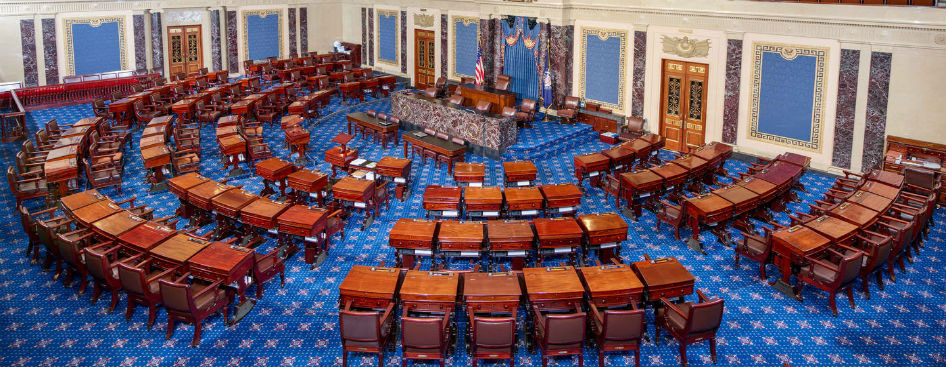
That agreement did not mean every senator backed the SAVE America Act. It meant senators accepted a package of floor procedures and a path to recess rather than forcing the Senate through a slower series of individual procedural steps.
Sen. Mike Lee of Utah said he had sought a roll-call vote on whether to recess but ultimately accepted a voice vote as part of the unanimous-consent arrangement. He described the deal as preserving senators’ ability to oppose recess while avoiding a process that leadership said could take weeks.
That distinction matters. A unanimous-consent agreement can be a practical bargain among senators with very different views of the underlying legislation.
Trump pressed leaders to stay
Trump urged Senate Majority Leader John Thune to cancel the August recess and keep lawmakers in Washington to take up the voter eligibility bill. Republican Sens. Lee, Rick Scott of Florida, Eric Schmitt of Missouri and Banks were among those advocating for the break to be canceled.
Thune’s position, as described in the Banks account, was that simply staying in session would not make the measure pass. That is the central political tension behind the impasse: time on the calendar was not necessarily the obstacle if the needed support was not there.
The SAVE America Act’s full name is the Safeguard America Voter Eligibility Act. Supporters have framed it as an election-integrity measure. Its failure to move before recess leaves the legislation in the same place where many contested Senate proposals land: available for future action, but without a completed vote.
A crowded exit shaped the outcome
The Senate’s final days before recess involved far more than the SAVE America Act. The chamber passed a continuing resolution funding the government through Dec. 11 and confirmed acting Attorney General Todd Blanche as attorney general.
It also voted on a voter-identification bill introduced by Republican Sen. Jon Husted of Ohio. That measure did not clear the 60-vote threshold needed to advance.
Other major items also remained unresolved. The Senate did not take up the Clarity Act, a cryptocurrency-regulation proposal, and leadership pulled a procedural vote on a $95 billion reconciliation package after determining it lacked sufficient support.
That proposed reconciliation package would have included $10 billion for the House Administration Committee to award grants tied to implementation of the SAVE America Act, according to the Banks account. Its postponement created a second obstacle for advocates seeking movement on the voter eligibility proposal.
Why the stalled vote matters
The recess fight illustrates the difference between political pressure and Senate math. A president can call for urgency, and senators can publicly support a bill, but major legislation still depends on leadership scheduling it, procedural agreements and enough votes to clear the chamber’s requirements.
For supporters, the adjournment delays an initiative they consider a priority for election administration. For opponents or skeptics, the lack of a completed Senate vote means the proposal has not gained the level of consensus required to become law.
The broader stakes also extend to how voters interpret the word “unanimous.” The Senate’s unanimous consent to adjourn was an agreement on process, not a verdict on Trump’s bill. Treating those two actions as the same would obscure why the legislation remains unpassed.
The dispute also shows how a packed legislative schedule can turn a recess into a policy decision. When multiple bills compete for floor time, the measures that are not called up can lose momentum even without a formal defeat.
September brings another test
The Senate is scheduled to return September 14. That return date creates an opportunity for Trump allies and Republican supporters of the SAVE America Act to renew their push, but it does not guarantee a vote.
Several unanswered questions remain. It is unclear whether Thune will schedule the act for floor consideration, whether supporters can assemble the votes needed to move it, or whether the proposal will again be tied to a broader spending or reconciliation package.
The Senate also has unfinished work on other delayed measures, including the Clarity Act and the Protect College Sports Act. That crowded agenda could again force leaders to choose which priorities reach the floor first.
For now, the August exit delivered a clear outcome: the Senate left Washington, Trump’s SAVE America Act did not pass, and the next stage of the fight will begin only after lawmakers return in September.







Leave a Reply