

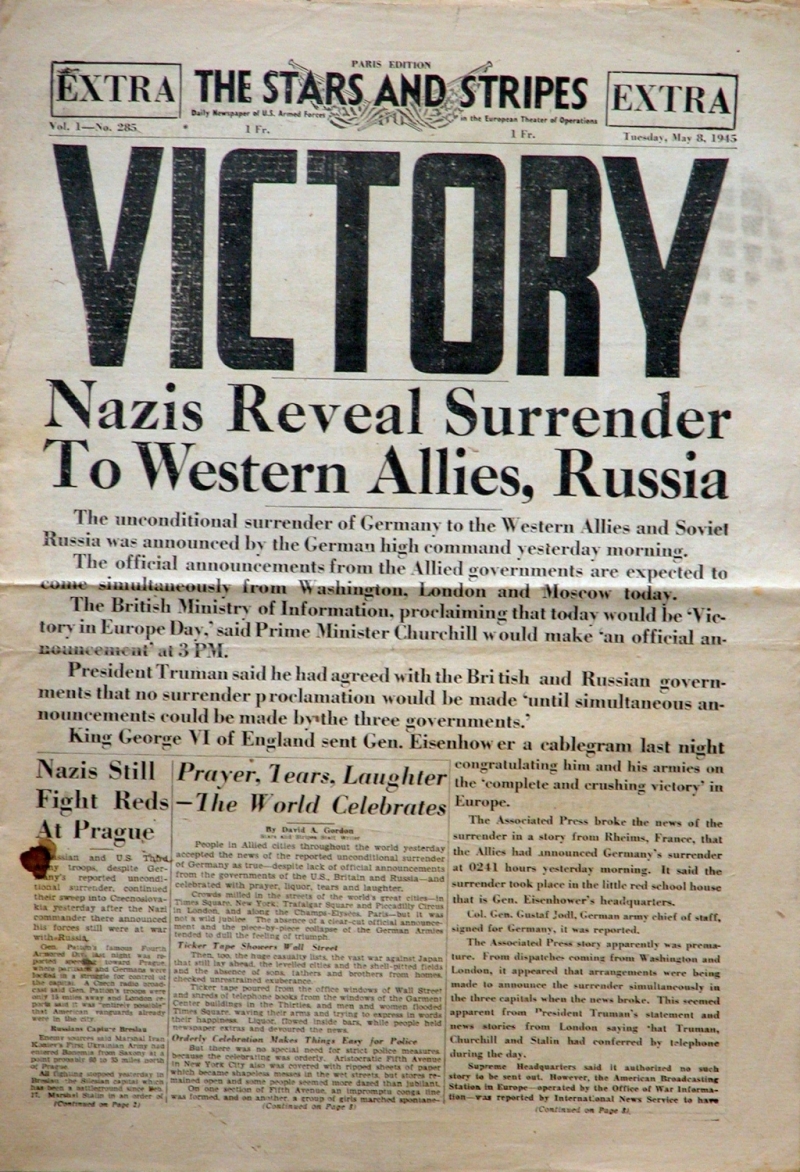
The personnel moves have put renewed focus on whether Stars and Stripes can retain the editorial independence that has long distinguished it from a conventional Pentagon communications outlet. The dispute also comes after the Defense Department installed an active-duty officer in a senior role at the military newspaper.
The Pentagon fired leaders of Stars and Stripes amid a pressure campaign associated with Defense Secretary Pete Hegseth and the U.S. Department of Defense. The people dismissed were editor in chief Erik Slavin, publisher Max Lederer and Middle East reporter Lara Korte, turning an internal dispute over military-news coverage into a direct test of the publication’s independence.
The firings matter because Stars and Stripes is funded in part by the Pentagon but has a longstanding mandate to report independently for service members, military families and overseas communities. Slavin and Korte had publicly objected to the prospect of Defense Department interference before receiving separation notices.
Three dismissals after public warnings
According to reporting by NBC News and The Associated Press, the Pentagon characterized the dismissals as being for insubordination. Slavin said the action followed an interview in which he argued that hypothetical censorship of reporting for service members would be a red line.
Korte appeared in the same CBS interview. In a public statement, she said she had been informed that the Department of Defense was firing her for insubordination after she said that she worked for Stars and Stripes, rather than the Pentagon, the administration or a policymaker.
Lederer’s departure added another layer to the upheaval. The longtime publisher had recently announced plans to retire at the end of September, but he was also dismissed before that planned exit. He had worked at Stars and Stripes for roughly three decades and served as publisher since 2007, according to the reporting.
The immediate practical question is who now directs a publication whose newsroom has been caught between a government department’s priorities and journalism’s need to scrutinize that department.
A newspaper inside the military system
Stars and Stripes occupies an unusual place in American media. It serves troops and their families around the world, reports on military life and operations, and receives Pentagon support. Yet its role has historically been framed as independent journalism, not an official Defense Department bulletin.
That distinction is central to this dispute. A military community needs timely information about deployments, benefits, housing, health care, misconduct, leadership decisions and the consequences of policy changes. Those subjects can require reporting that is uncomfortable for the institution being covered.
Slavin said he stood by the principle that Stars and Stripes must remain editorially independent under the law and the department’s own policies. Critics of the dismissals argue that firing journalists who publicly defend that principle risks making the commitment look conditional.
The Pentagon’s position, as reported, is that the personnel actions involved insubordination. The available reporting does not fully resolve what specific conduct the department considered insubordinate beyond the public statements and interviews at the center of the dispute.
Hegseth’s broader newsroom push
The conflict did not emerge in isolation. Hegseth’s Pentagon has taken a more confrontational posture toward parts of the press corps and has pushed changes in how Stars and Stripes should define its mission.
In January, Hegseth spokesman Sean Parnell wrote on X that Stars and Stripes would be tailored to “our warfighters,” with a focus on warfighting, weapons systems, fitness, lethality, survivability and military matters. He said the publication would no longer carry what he called repurposed Washington gossip columns or Associated Press reprints.
Supporters of that approach may view it as a mission reset for a military-focused outlet: less general political coverage, more reporting with direct relevance to people in uniform. The competing concern is that “relevance” can become a tool for narrowing coverage when decisions in Washington affect military readers.
Those differing views are not merely editorial preferences. They concern who gets to determine the boundaries of reporting at a newspaper that is institutionally connected to the government it covers.
The active-duty deputy publisher question
Earlier this month, the Pentagon installed Navy Capt. William Urban as military deputy to the publisher, a move Lederer said occurred without his prior knowledge. The appointment prompted three Democratic senators to write to Hegseth seeking an explanation.
Urban, a longtime Navy and Defense Department communications professional, wrote in a letter posted by Stars and Stripes that he was joining a team committed to editorially independent journalism serving service members, their families and the wider military community.
Urban also told the Associated Press that the newsroom had a strong staff of professional journalists focused on its mission. It remained unclear, however, whether he would become the publisher following Lederer’s dismissal. Urban said he could not comment on his future role.
The appointment has drawn scrutiny because an active-duty officer serving in a leadership position can create concerns about perceived influence even if no one issues a reporting directive. Defenders could argue that a military deputy better understands the audience; skeptics see a structural conflict when the military becomes more embedded in managing its own watchdog.
Why the ombudsman’s removal matters
The recent changes followed another important personnel decision. In April, the Pentagon fired Stars and Stripes ombudsman Jacqueline Smith, whose role was to help safeguard the publication’s editorial independence.
An ombudsman is not a substitute for a free newsroom, but the position can provide an internal channel for examining complaints, conflicts and concerns about journalistic standards. Removing that safeguard, then dismissing senior editorial figures who object to interference, has intensified alarm among press-freedom advocates.
National Press Club President Mark Schoeff Jr. called Slavin’s firing an attempt by the Pentagon to dictate military coverage and said it should be reversed. His criticism reflects a wider concern: whether journalists can challenge policy or leadership without being treated as disloyal to the institution they report on.
At the same time, the Pentagon retains legitimate interests in operational security, troop safety and the handling of classified information. The unresolved issue is whether the current changes are aimed at those established safeguards or at imposing a broader ideological and editorial direction.
What independence will look like next
The next test will be operational rather than rhetorical. Readers will be watching whether Stars and Stripes continues to pursue reporting that examines the Pentagon’s decisions, including stories that may be inconvenient for senior officials.
Its staff will also need clarity on chain of command, editorial authority and the protections available when reporters challenge military leadership. Without those answers, uncertainty itself can affect coverage, even when no article is formally blocked.
The Pentagon dismissals of Slavin, Lederer and Korte do not by themselves establish the future of Stars and Stripes. But they have made the underlying question impossible to ignore: can a publication financed by the Defense Department preserve meaningful distance from the officials whose actions it is expected to cover?
For military readers, that answer will be measured by the work that appears next—not only by assurances that editorial independence remains intact.







Leave a Reply