

The ruling means the Justice Department cannot enforce the disputed subpoenas against New York Attorney General Letitia James’s office for now. It also keeps a closely watched clash between federal prosecutors and a prominent state legal office in court.
An appeals court upheld a block on U.S. Justice Department subpoenas targeting New York Attorney General Letitia James’s office on August 21, 2026. The ruling means the Justice Department subpoenas cannot be enforced against the New York Attorney General’s Office for now, preserving a lower-court decision to quash them.
The dispute matters beyond one set of records. It puts federal investigative power, the independence of a state attorney general’s office and allegations that prosecutors acted to retaliate against Letitia James at the center of the same legal fight.
The subpoenas remain off limits
The practical effect of the appeals court’s decision is that James’s office does not have to comply with the disputed grand jury subpoenas while the ruling stands. A subpoena is a legal demand for testimony, documents or other evidence, but courts can narrow or block one when they find a serious legal problem.
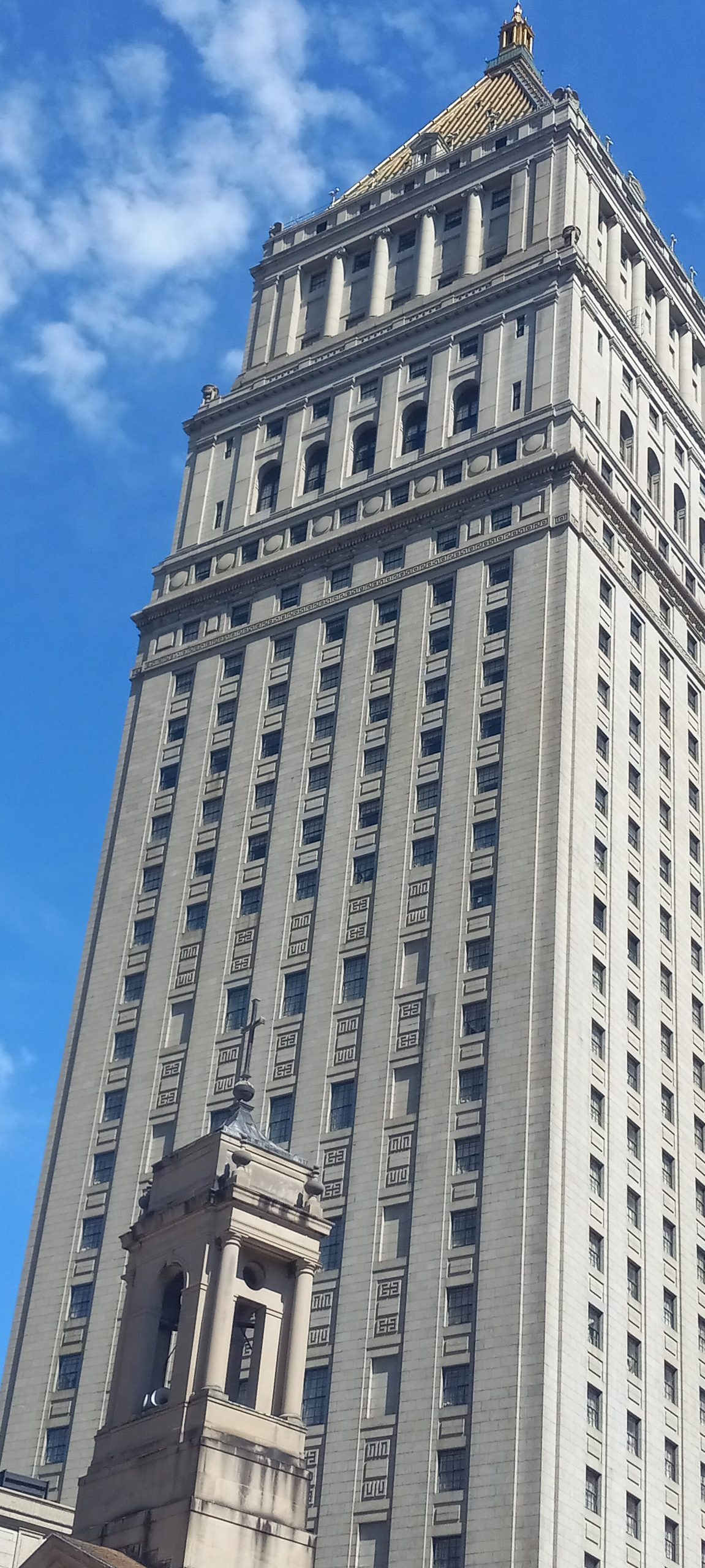
The case concerns subpoenas issued to the Office of the New York State Attorney General, not a criminal charge against James or her staff. That distinction is important: the litigation centers on whether the government may obtain records through these particular demands and under these circumstances.
The lower court had granted the attorney general’s office motion to quash the subpoenas in January 2026. The federal government appealed, arguing that the requested materials were relevant and necessary to an ongoing grand jury investigation.
Why James’s office fought back
According to the federal appeals court materials, the New York attorney general’s office argued that the subpoenas were retaliatory and intended to harass James and her office. It also characterized them as unreasonable intrusions on the work of the state law-enforcement agency.
Those are serious allegations, but they remain allegations made by James’s office in litigation. The appellate result leaves the subpoenas blocked; it should not be read as a broad finding that every assertion made by either side has been established as fact.
The Justice Department’s position, as described in its appeal filing, is different. It said the records were material to a pending grand jury investigation and that its appeal was not intended to delay the matter.
That divide frames the case. Prosecutors generally argue that grand juries need access to relevant evidence. The office receiving the demand argues that this investigation crossed legal and institutional lines designed to protect it from improper federal pressure.
A fight over prosecutorial authority
Grand jury subpoenas are typically powerful investigative tools. They can require entities and individuals to turn over records before prosecutors decide whether charges are warranted. But their reach is not unlimited, particularly when courts conclude there are defects in how they were issued or enforced.
In this case, the subpoenas were directed at a state attorney general’s office, a public institution with its own law-enforcement duties and legal obligations. That makes the dispute more complicated than a routine demand for business records from a private company.
Records held by a government legal office can involve confidential investigative material, internal deliberations, information about active cases or other interests that require a court to weigh competing claims carefully. The court’s ruling does not create a blanket shield for state prosecutors, but it underscores that federal demands to such offices can receive close judicial scrutiny.
The institutional stakes in New York
Letitia James is one of the country’s most visible state attorneys general, and her office has frequently handled high-profile enforcement and civil litigation. Any federal effort to compel records from her office was likely to draw attention well beyond New York.
For James and her supporters, the blocked subpoenas are likely to be seen as a protection against the use of federal investigative tools for political or retaliatory purposes. Their concern is that prosecutors should not be able to disrupt a state office’s work simply by issuing sweeping demands for documents.
For the Justice Department, the concern runs the other way. If investigators have a legitimate grand jury inquiry, they may argue that a state office should not be insulated from ordinary evidence-gathering rules solely because it is a government institution or because its leader is politically prominent.
Courts are often asked to separate those competing principles: protecting legitimate investigations while preventing investigative authority from being used in a way that is unlawful, excessive or improperly motivated.
What the ruling does not settle
The appeals court’s decision resolves the immediate question of whether the block on these subpoenas should remain in place. It does not necessarily reveal every detail of the underlying grand jury inquiry, because grand jury matters are generally subject to secrecy rules.
Publicly available filings indicate that the Justice Department viewed the requested records as relevant to an ongoing investigation. The available material does not provide a full public accounting of the records sought, the scope of the inquiry or whether prosecutors could pursue narrower requests through another legal route.
It is also unclear whether the government will seek further review. Options can include asking the full appeals court to reconsider a panel ruling or petitioning the U.S. Supreme Court, though neither step is automatic and both face high legal thresholds.
The immediate takeaway for readers
The key outcome is narrow but consequential: the U.S. Justice Department’s subpoenas to New York Attorney General Letitia James’s office remain blocked after the appeals court ruling.
The case is a reminder that subpoenas, even those connected to a grand jury, are subject to judicial review. It also shows how quickly an evidence dispute can become a test of institutional independence when federal prosecutors and a state attorney general’s office accuse each other of overreach.
Any next move by the Justice Department will determine whether this remains a limited subpoena dispute or develops into a larger appellate battle over federal investigative authority and the protections available to state legal offices.








Leave a Reply