
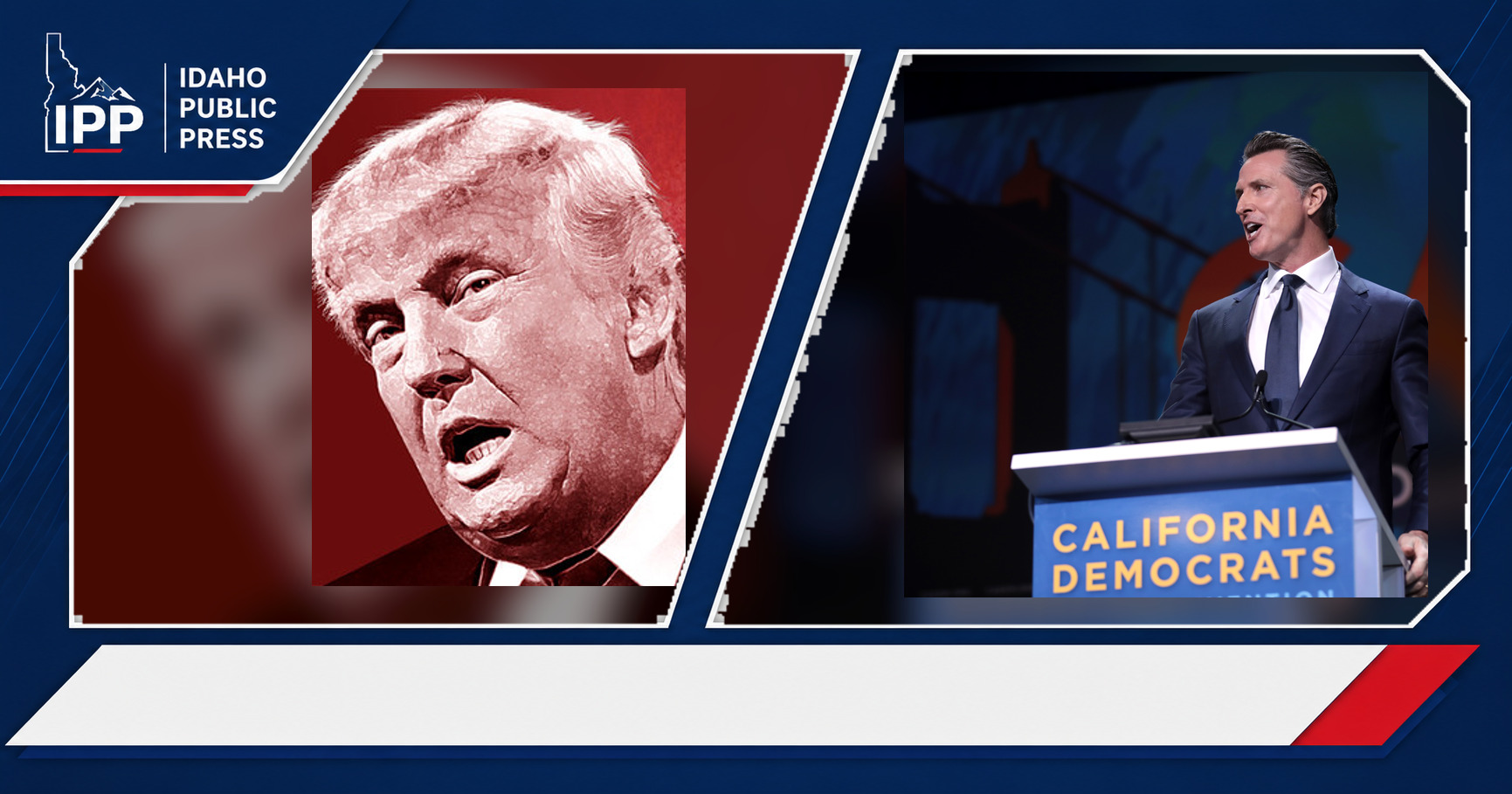
Trump’s insult of California Gov. Gavin Newsom was aimed at a political rival, but its reach goes far beyond their feud. The episode puts damaging assumptions about dyslexia, intelligence and leadership back at the center of public debate.
Donald Trump taunted California Gov. Gavin Newsom over his dyslexia, mocking learning disabilities while arguing that a president should not have them. The article argues that Trump’s vicious taunt reflects a severe psychological sickness in public discourse: a willingness to use disability and mental-health language as a weapon rather than discuss leadership on the merits.
That description should not be read as a clinical diagnosis of Trump. It is a moral and political critique of rhetoric that reduces a learning difference to an insult. For people with learning disabilities, the stakes are larger than the latest Trump-Newsom exchange.
What Trump said about Newsom
According to the BBC, Trump renewed attacks on Newsom in Oval Office remarks, calling the California governor “dumb” and invoking Newsom’s public discussion of dyslexia. Trump said he was “all for people with learning disabilities,” but added that he did not think a president should have one.
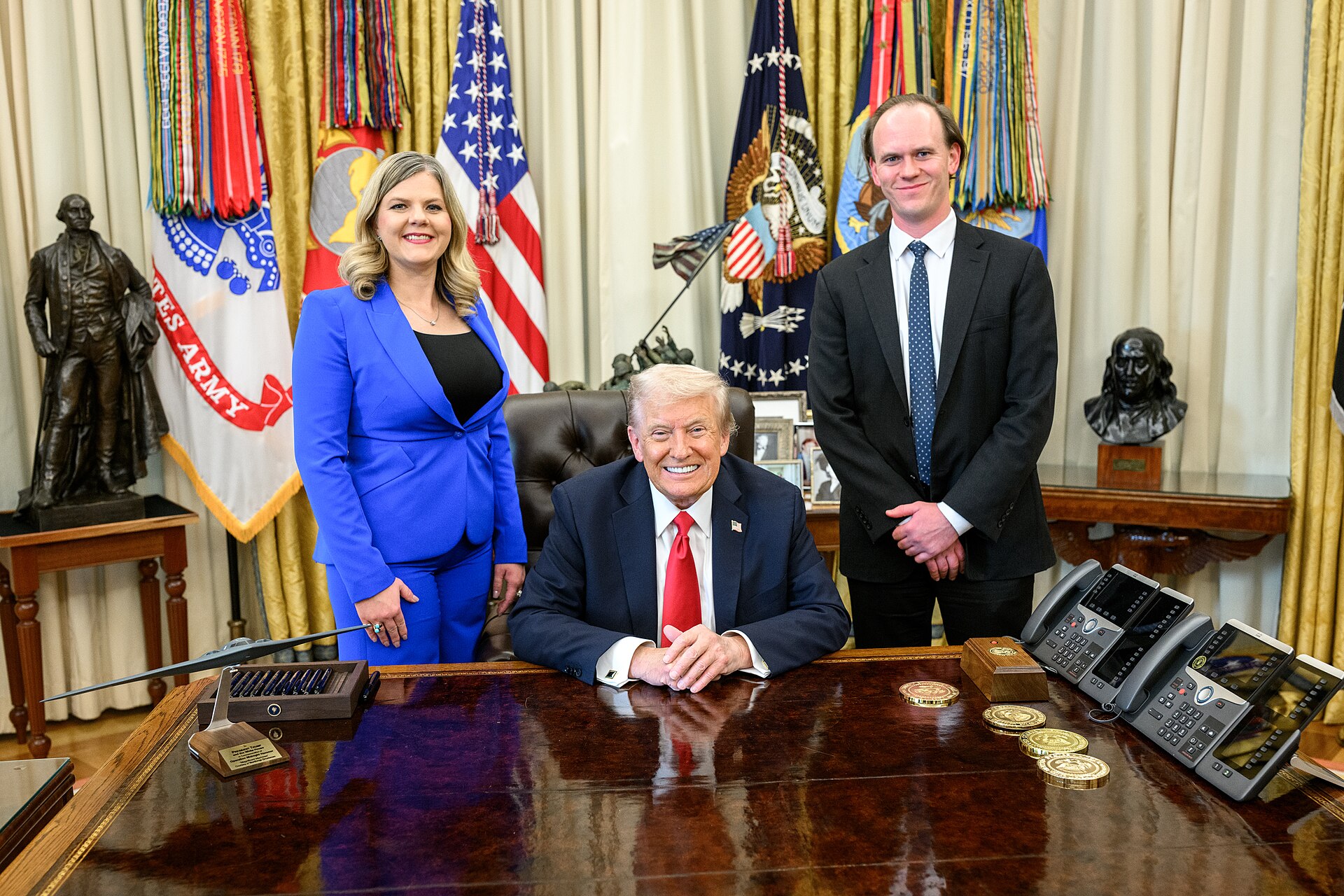
He also used the nickname “Gavin Newscum” and linked dyslexia with low intelligence and poor judgment. On Truth Social, Trump reportedly called Newsom a “Cognitive Mess” and referred to a “mental disorder.”
Newsom, a potential Democratic presidential contender, responded in kind on social media, calling Trump a “brain-dead moron.” That reply may be satisfying to allies in a familiar political brawl, but it also demonstrates the trap: once political opponents turn cognition, disability or mental health into shorthand for weakness, the exchange can become a competition in demeaning language.
Dyslexia is not a measure of intelligence
Dyslexia affects how the brain processes written language. It can make reading, spelling and decoding words more difficult, but it does not determine a person’s intelligence, values, judgment or ability to lead.
The National Center for Learning Disabilities condemned Trump’s remarks. Its chief executive, Jackie Rodriguez, told the BBC that dyslexia does not impair intelligence, judgment or leadership ability, and that people with learning disabilities have reached the highest levels of public office.
The basic correction matters because the false link between dyslexia and low intelligence has endured for generations. People with dyslexia may process information differently and may need particular tools or accommodations, but those needs are not evidence of lesser ability.
The U.S. Department of Health and Human Services has estimated that about 15% of the population is affected by dyslexia. Other estimates put the figure closer to one in five Americans. In other words, an insult directed at one governor lands on a substantial share of the country.
Newsom had discussed his experience
Newsom did not conceal the issue that Trump used against him. During an onstage conversation in Atlanta last month, he spoke about poor exam results and difficulties reading, saying that he could not read a speech in the conventional way.
Public figures who speak candidly about disability can make it easier for others to seek support, explain a challenge or reject shame. That is particularly true for children and adults who have spent years being labeled lazy, careless or unintelligent because they read differently.
There can be reasonable debate about any candidate’s record, decisions, communication skills and fitness for office. Those debates are the ordinary work of democracy. Treating dyslexia itself as disqualifying is something else: it substitutes stereotype for evidence.
The problem with weaponized diagnosis
Calling a rival mentally ill, cognitively broken or psychologically defective has become a recurring feature of modern political speech. The language can feel like blunt-force candor, especially in an era when insults travel faster than policy arguments.
But it carries two problems. First, it implies that disability or mental illness is inherently shameful and synonymous with incompetence. Second, it encourages the public to use medical-sounding labels without evidence, reducing real conditions to partisan ammunition.
Trump’s critics may see the Newsom attack as proof of cruelty or contempt. His supporters may view it as combative political rhetoric aimed at a prominent adversary, not a statement about every American with dyslexia. Yet the wording matters because Trump did not merely criticize Newsom’s performance. He explicitly connected learning disabilities to presidential unfitness.
That is why the criticism from disability advocates is more significant than a routine campaign rebuttal. It addresses the claim on its own terms: dyslexia is not a valid proxy for intellect, competence or civic worth.
Political insults have real audiences
Presidential language is not confined to a rally, a post or an Oval Office exchange. It reaches classrooms, workplaces and households where people with learning disabilities are already navigating misunderstandings about their abilities.
A student struggling with reading may hear a national leader use a learning difference as a punchline. A worker who has chosen not to disclose dyslexia may be reminded why that decision can feel safer. A parent trying to secure evaluations or accommodations for a child may encounter the same myths reinforced by a much louder messenger.
None of this requires pretending that political speech must be gentle. Elected officials can face sharp criticism. Rivals can be challenged over budgets, executive actions, ethics, statements and results. The line worth defending is between criticism of conduct and contempt for a category of people.
What the dispute leaves unanswered
The Trump-Newsom feud is likely to continue, particularly if Newsom remains a visible national Democratic figure. Neither man appears interested in lowering the rhetorical temperature, and both understand the attention that a viral insult can produce.
The more important unanswered question is whether political leaders and their audiences can distinguish an opponent’s record from claims about disability, cognition or mental health. The evidence offered by learning-disability experts is clear: dyslexia does not decide whether someone can think, govern or lead.
Trump’s words may have been directed at Newsom, but they revive a broader and older stigma. The useful response is not to trade a different ableist insult. It is to insist that leadership be judged by decisions and conduct, while rejecting the fiction that a learning disability makes someone lesser.







Leave a Reply