
Spears has not publicly identified the photographer or provided details that would independently establish what happened. Her claim also lands in a privacy debate shaped by documented allegations of surveillance during her conservatorship.
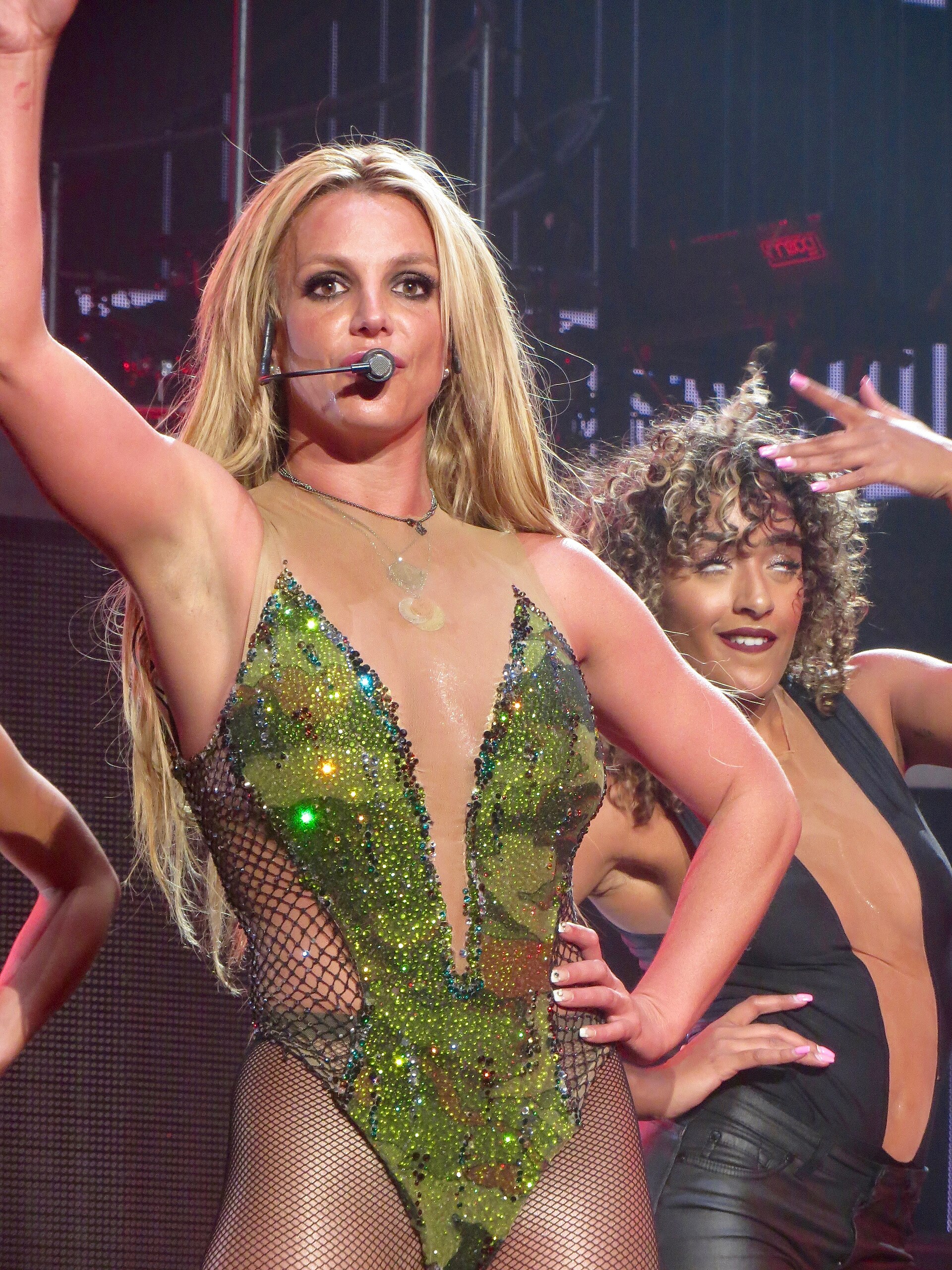
Britney Spears alleged that a photographer spied on her inside her house, making the allegation in a new post. Spears did not identify the photographer in the source material provided, and the available reporting does not establish when or how the alleged surveillance occurred.
The claim matters because privacy has been a central part of Spears’s public story for years. Earlier reporting about her former conservatorship described allegations of an extensive security surveillance operation, making any new assertion about being watched inside her home especially charged.
What Spears said in her post
Spears’s new post alleged that a photographer spied on her inside her house. That is the core claim reflected in the available source brief.
Important details remain unknown. The materials do not name the person Spears was referring to, say whether she believed the individual was physically on the property, identify a camera or other equipment, or indicate whether she has reported the allegation to law enforcement or pursued a legal complaint.
Those gaps matter. A social-media allegation can describe a deeply unsettling experience while still leaving key factual questions unresolved for the public. No response from a photographer, representative, security provider, or other potential party is included in the research provided for this article.
Why the allegation carries weight
For many celebrities, conflict with paparazzi is a familiar and often public part of fame. But the allegation here concerns a private interior space, not an encounter outside a restaurant, airport, event, or public street.
That distinction is central to why Spears’s post is likely to draw attention. Home is generally treated as the clearest boundary between public interest in a famous person and an individual’s expectation of privacy.
It is also worth separating what has been alleged from what has been verified. Spears’s statement is her account. The available material does not independently corroborate the allegation or establish who, if anyone, may have been involved.
A history shaped by surveillance claims
The new post arrives after years in which Spears’s privacy became a major public concern. In 2021, The New York Times reported claims from Alex Vlasov, a former employee of Black Box Security, about surveillance surrounding Spears during her conservatorship.
According to that reporting, Vlasov said the security operation monitored Spears’s communications and secretly recorded audio from her bedroom, including conversations involving her boyfriend and children. He supported his account with materials that included emails, text messages, and audio recordings, the newspaper reported.
At the time, a lawyer for Spears’s father, Jamie Spears, said his actions as conservator were within the authority granted by the court and were taken with the knowledge and consent of Britney Spears, her court-appointed lawyer, and/or the court. A lawyer for Black Box Security said the company had acted within professional, ethical, and legal bounds.
Those earlier accounts do not confirm the allegation in Spears’s new post. They do, however, explain why a fresh claim of being watched in her own house is likely to resonate far beyond a typical celebrity dispute with photographers.
The conservatorship context still lingers
Britney Spears lived under a conservatorship for 13 years. Her father was appointed conservator in 2008, and the arrangement gave him broad authority over her personal life and estate, including the ability to retain security.
During court testimony in 2021, Spears condemned the conservatorship as abusive and described wanting greater control over her own life. The conservatorship ended later that year, but public discussion of its impact has continued.
The reporting on alleged monitoring helped crystallize a broader concern: security systems can be presented as protective while also becoming invasive if the person being protected lacks meaningful control or consent. That tension remains relevant whenever Spears speaks publicly about privacy and surveillance.
Privacy and celebrity access collide
There are competing realities in celebrity culture. Public figures are photographed constantly, and photographers may argue that they are documenting people whose work, public appearances, and online posts have commercial and cultural value.
That argument has limits. The line between observation and intrusion becomes far sharper around private homes, especially when a person believes images or information are being obtained from inside a residence.
Legal consequences, if any, would depend on facts not available here: the location of the alleged photographer, whether any device was used, property boundaries, local law, and whether images or recordings were actually captured. Without those facts, it would be premature to characterize the allegation as a proven crime or civil violation.
What remains unclear now
Spears has put a new concern into public view, but the available record is limited to her allegation in a post. There is no confirmed account of the alleged incident from an independent witness, a named photographer, or an authority.
The immediate takeaway is therefore narrow but significant: Spears says she was spied on inside her house, and she is raising that claim after a period in which serious surveillance allegations connected to her former conservatorship were widely reported.
Until more information emerges, the responsible reading is to take Spears’s statement seriously as her allegation while keeping the distinction between a public claim and independently established fact clear.



Leave a Reply