
The Strait of Hormuz is not just another stretch of water. A flare-up there can rattle oil markets, shipping routes and alliance politics within hours.
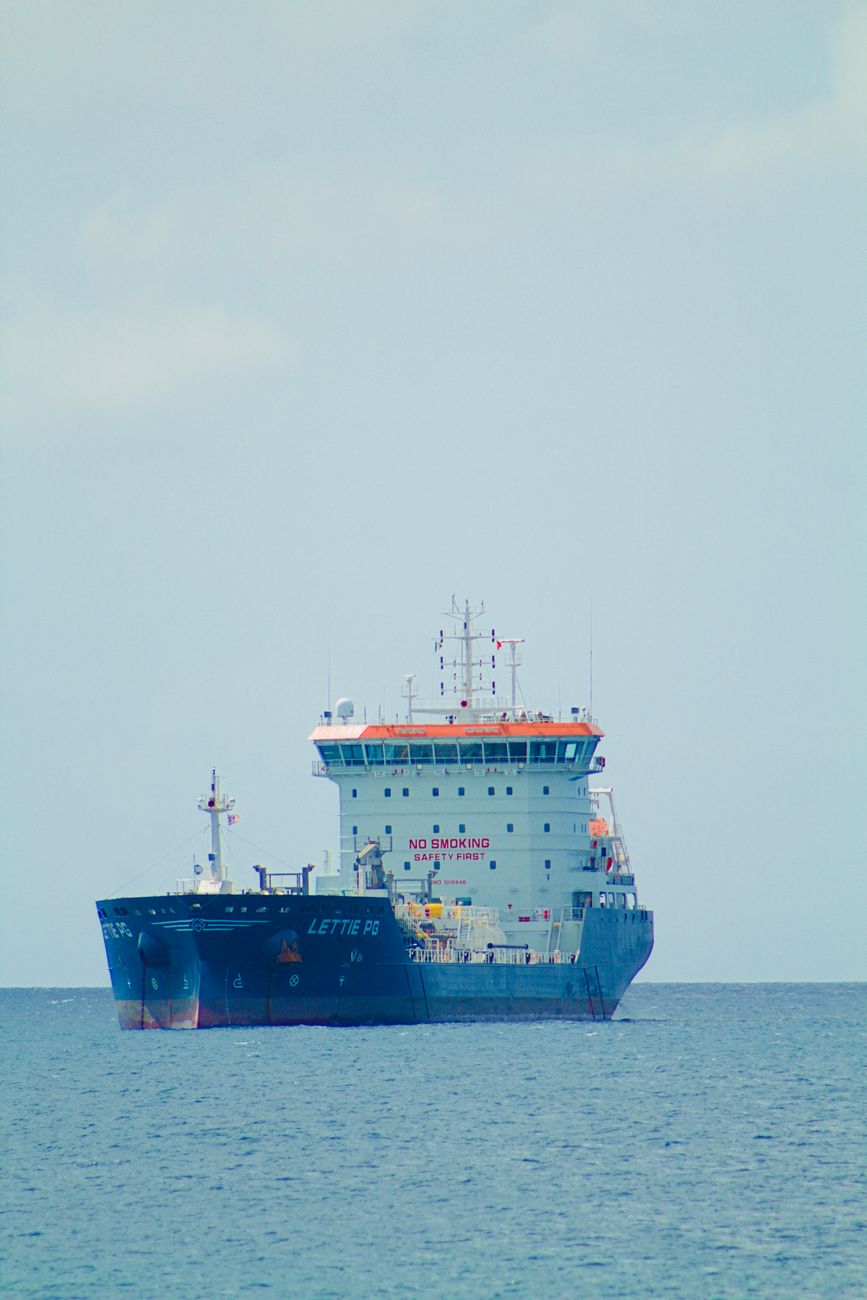
Iran struck three vessels near the Strait of Hormuz, CNN reported, a development that immediately raised the stakes around one of the world’s most sensitive shipping corridors.
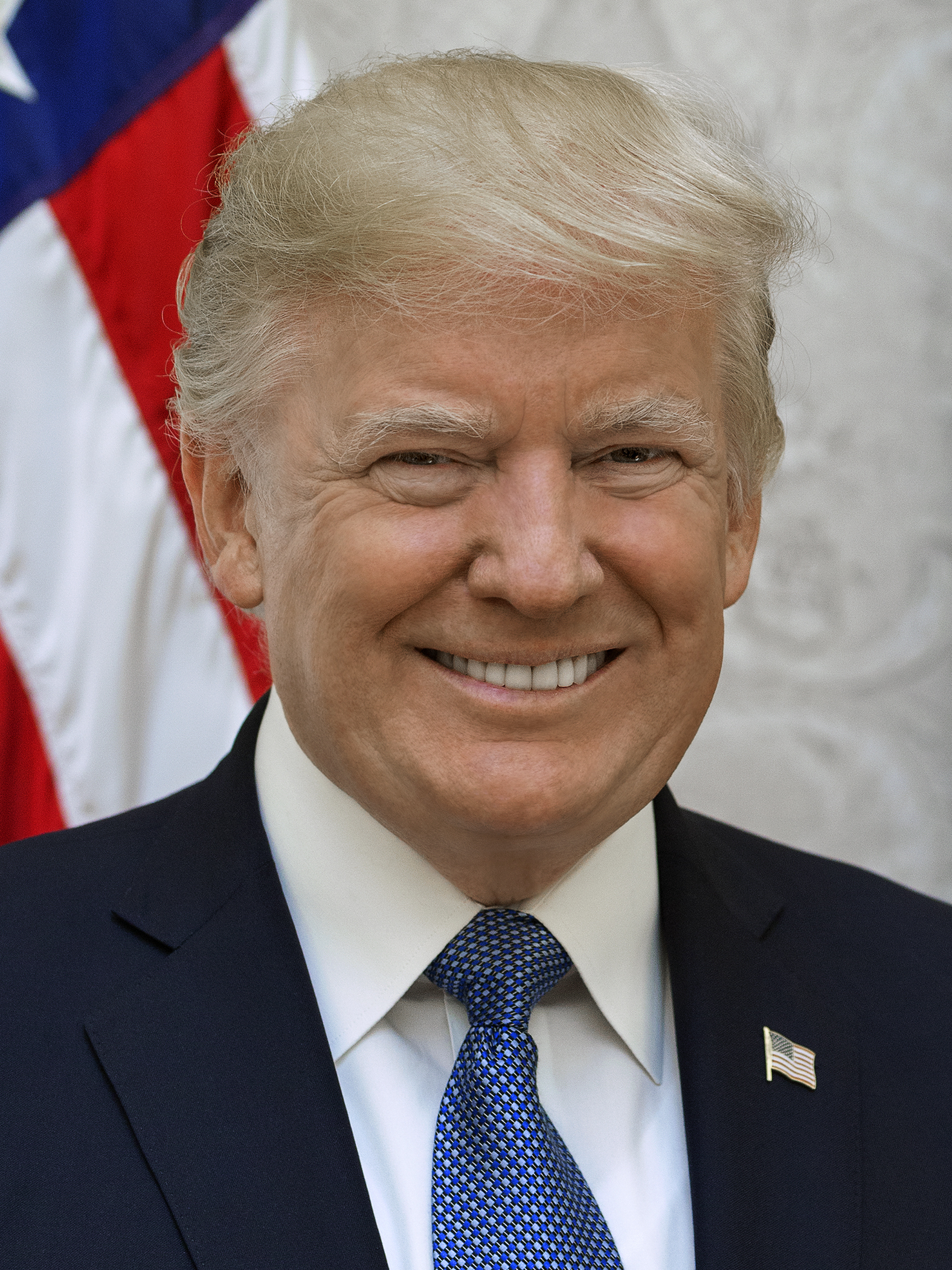
The timing adds another layer of pressure: Donald Trump was arriving at a NATO summit as the reported strikes put maritime security, energy risk and Iran policy back on the table for Western leaders.
A chokepoint with global reach
The Strait of Hormuz is a narrow waterway between Iran and Oman that links the Persian Gulf with the Gulf of Oman and the Arabian Sea. It is also one of the most important energy arteries on the planet.
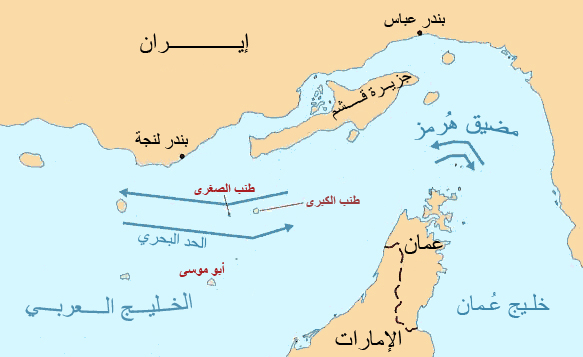
The U.S. Energy Information Administration has described Hormuz as the world’s most important oil transit chokepoint. In recent years, roughly one-fifth of global petroleum liquids consumption has moved through it, including crude and refined products from major Gulf producers.
That is why even limited violence near the strait can produce an outsized reaction. A strike on a vessel is not only a military or diplomatic issue. It is a market signal, a shipping risk and a warning to governments that depend on steady Gulf energy flows.
Three vessels, few public details
Early public reporting available Tuesday identified three vessels as struck near the Strait of Hormuz. The initial reports did not provide a full public account of the ships involved, the extent of damage, casualties, the exact location or the weapons used.
That uncertainty matters. In maritime incidents, the first hours often bring competing claims, partial information and sharp market speculation. Governments and shipping companies typically move cautiously until they can confirm crew safety, vessel status and whether commercial routes remain open.
CNN’s report, also surfaced through MSN and carried in video form by local Scripps stations including WRTV and NewsChannel 5 Nashville, placed the incident directly alongside Trump’s arrival at the NATO summit. The pairing underscores how quickly a regional maritime attack can become a transatlantic security issue.
Why NATO leaders will care
NATO is a North Atlantic military alliance, but its agenda is no longer limited to Europe’s immediate geography. Energy security, Middle East instability, drone warfare, missile threats and maritime chokepoints all feed into alliance planning.
For Trump, the timing is politically loaded. He has often pressed NATO members to spend more on defense and has framed alliance commitments through a hard bargaining lens. A sudden flare-up involving Iran near Hormuz gives leaders another test of whether the alliance can coordinate around threats that sit outside its traditional map but affect its members directly.
The incident also arrives in a world already strained by conflict and military competition. NATO governments are balancing support for Ukraine, deterrence against Russia, tensions in the Middle East and domestic pressure over defense budgets. A threat to shipping near Hormuz adds one more urgent file to an already crowded summit.
Oil routes are the pressure point
Hormuz matters because geography gives it leverage. Oil and liquefied natural gas shipments from the Persian Gulf pass through a confined maritime corridor before reaching global markets. There are pipelines and alternate routes, but they cannot fully replace the volume that moves by sea through the strait.
That makes the area unusually vulnerable to disruption. A single attack does not necessarily close the strait, but it can raise insurance costs, delay sailings, push companies to reassess routes and make traders price in the risk of escalation.
Consumers may not see an immediate change at the pump from one reported incident. But repeated attacks, a broader military confrontation or a credible threat to navigation could feed into oil prices. That is the chain policymakers watch: maritime incident, shipping risk, energy market reaction, inflation pressure.
Iran’s maritime playbook
Iran has long understood the strategic value of the waters around Hormuz. Its coastline gives it proximity to shipping lanes that carry energy exports from Gulf states aligned in varying degrees with the United States and Europe.
Over the years, tensions in and near the Gulf have included tanker seizures, drone incidents, mine attacks, harassment claims and military warnings. Responsibility in individual incidents has often been disputed, and Tehran has repeatedly rejected accusations it views as politically motivated.
That history is why attribution and evidence will be watched closely. If Iran is confirmed to have directly struck the vessels, Western governments will have to decide whether to treat the incident as a contained escalation, a warning shot or part of a wider campaign to raise costs for adversaries.
The response options can range widely: diplomatic condemnation, naval escort operations, sanctions, emergency talks with Gulf partners, or military moves meant to deter further attacks. Each carries risk, especially in a crowded maritime theater where miscalculation can spread quickly.
The unanswered questions now
The immediate questions are practical and urgent: Who owns or operates the vessels? Were crews injured? Are the ships still afloat and moving? Did the attacks occur inside a recognized shipping lane, or nearby? Have insurers or naval forces changed their guidance?
There are also strategic questions. Did Iran intend to disrupt shipping, send a political message as NATO met, retaliate for another action, or test Western response? Early reporting does not answer those questions, and officials may take time to release evidence.
For now, the significance lies in the location and the timing. Three reported strikes near the Strait of Hormuz would be serious on any day. Coming as Trump steps into a NATO summit, they force an uncomfortable question onto the agenda: how far are the U.S. and its allies prepared to go to protect a waterway the global economy cannot easily do without?









Leave a Reply