

The dispute over Donald Trump’s proposed White House ballroom is no longer just about architecture or preservation. A federal appeals court has put Congress’s authority at the center of a fight the president says he will take to the Supreme Court.
Donald Trump’s proposed White House ballroom is not a monument, critics say; it is a test of who controls major changes to the nation’s most prominent federal property. The ballroom project is criticized as an abuse of constitutional power after a federal appeals court ruled that Trump’s administration cannot continue aboveground work on the estimated $400 million project without Congress’s authorization.
The decision does not settle whether a ballroom can ever be built at the White House. It addresses something narrower, but consequential: whether a president may move forward on a massive project at the White House through executive action while Congress has not approved it.
A court draws a clear line
A divided three-judge panel of the U.S. Court of Appeals for the District of Columbia Circuit ordered the administration to halt construction of the 90,000-square-foot ballroom where the White House East Wing had stood, according to the Associated Press.
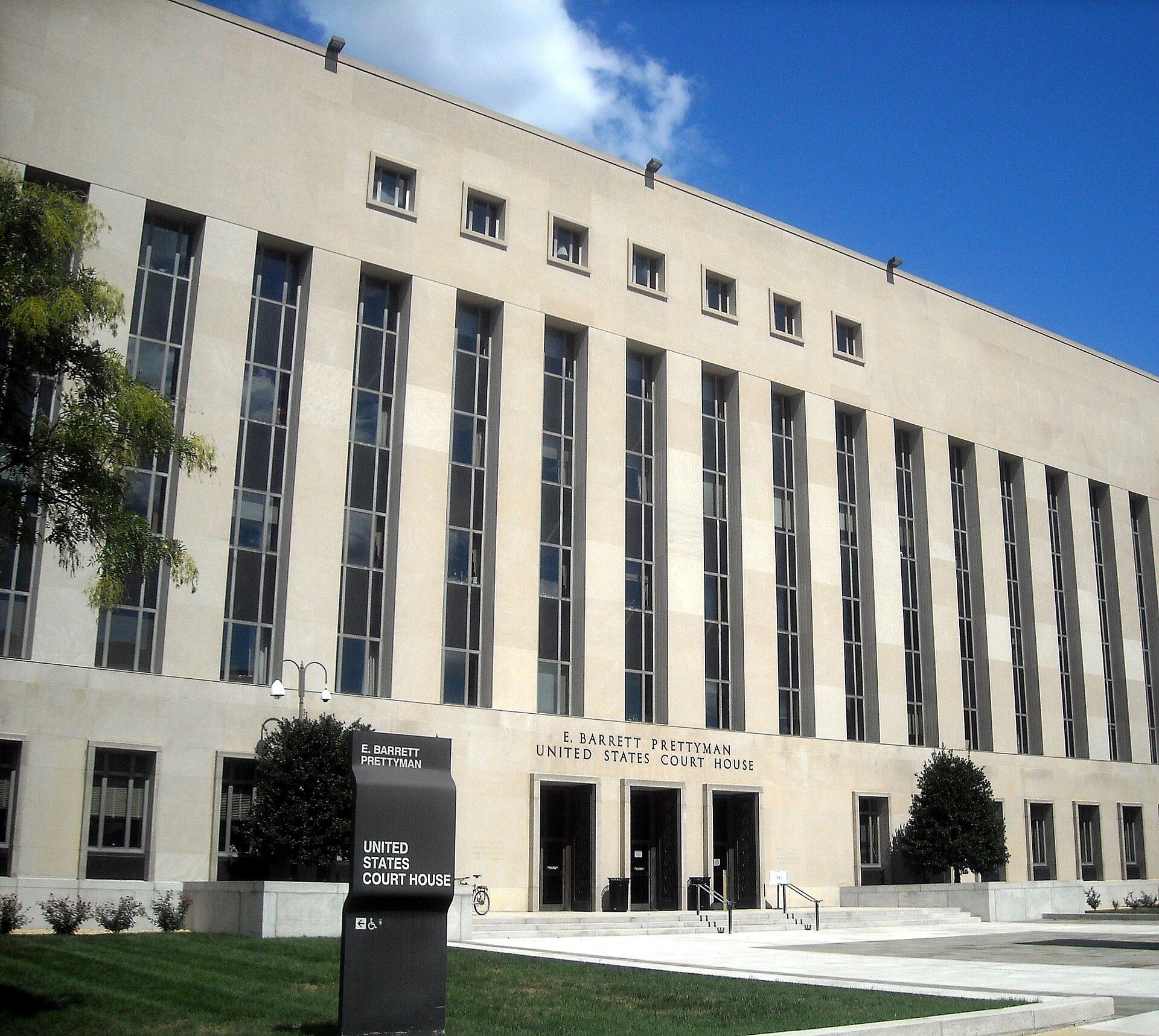
The majority said the question of whether a large ballroom should be built is for Congress, not “Executive self-help.” The court emphasized that it was not deciding whether the facility was good policy, beautiful, necessary or undesirable.
That distinction matters. The ruling was not an architectural review and not a verdict on Trump’s vision for the White House. It was a ruling about authorization: Congress must act before the administration can proceed with the contested aboveground construction.
The appeals court stayed its order for two weeks to allow an appeal. Trump said he would take the matter to the U.S. Supreme Court and called the ruling unjust.
Why “monument” is the wrong frame
Calling a presidential building project a monument can make it sound like an expression of legacy, taste or symbolism. But the legal conflict is more practical than that. The White House is not private real estate, and its grounds are not a president’s personal canvas.
Critics of the ballroom argue that the project highlights a recurring constitutional boundary: presidents administer the executive branch, but Congress holds central authority over federal spending and can require approval for federal construction.
The court’s language suggests that private financing does not automatically eliminate that problem. Trump has said corporations, wealthy donors and his own money would cover the project, and he has argued that congressional permission was unnecessary because public funds were not paying for it.
Yet the court concluded that Congress’s authorization was required under the Constitution and relevant laws. That is the basis for describing the dispute as one over executive power, rather than simply a fight over a gala venue.
Private money does not end debate
The administration’s funding argument is likely to remain central as the case moves forward. A privately financed project may appear, at first glance, to avoid the usual appropriations fight. But construction at the White House raises questions beyond who writes the initial check.
There are federal property rules, preservation requirements, security costs and long-term responsibilities tied to any addition to the presidential complex. A project can be funded by donors while still requiring government decisions, federal management and congressional authorization.
The AP reported that the administration had sought $1 billion for the ballroom, which Congress declined in May. Democrats later said that roughly $350 million from a tax-cut law appeared to have been redirected for White House security, including the ballroom. Those claims and the ultimate funding picture are likely to receive further scrutiny.
Trump has countered that the planned facility would contain security-related features, including bomb shelters, medical facilities and classified military spaces. His argument is that the project serves national security and future presidents, not merely ceremonial use.
Preservation concerns run alongside law
The National Trust for Historic Preservation sued to stop the work and welcomed the appeals court decision. Its president and CEO, Brent Leggs, said the ruling upheld the public’s right to weigh in on historic places, including the White House.
The preservation debate is not identical to the constitutional dispute, though the two overlap. Historic-preservation advocates focus on the scale of the project, the loss of the East Wing and the consequences of a major new structure on a nationally significant site.
Those concerns do not mean every White House alteration is impermissible. The building has been renovated, expanded and adapted throughout its history. The question raised here is whether this project’s size, location and process require a more explicit congressional role.
A lower-court order had already halted aboveground work while allowing underground construction associated with a bunker and other asserted national-security facilities. That split underscores the unresolved tension: some parts of the plan may be treated as security infrastructure, while the ballroom itself faces a different legal standard.
The Supreme Court could define limits
The administration’s expected Supreme Court appeal could turn this into a broader case about presidential control of federal property and Congress’s ability to check executive building initiatives.
Supporters of Trump may see the ruling as judicial interference with a president trying to modernize an aging complex and improve security. They may also argue that a privately financed facility should not be blocked by congressional inaction.
Opponents see a different risk. If a president can undertake a large, permanent White House construction project without a clear authorization from Congress, they argue, future presidents could claim wider latitude to alter federal sites and commit the government to long-term obligations.
For now, the appeals court has not permanently killed Trump’s ballroom. It has said the administration cannot build its way past Congress while the legal challenge proceeds. That is why the most important question is not whether the ballroom becomes a monument to a presidency, but whether the presidency can make it happen on its own.










Leave a Reply