
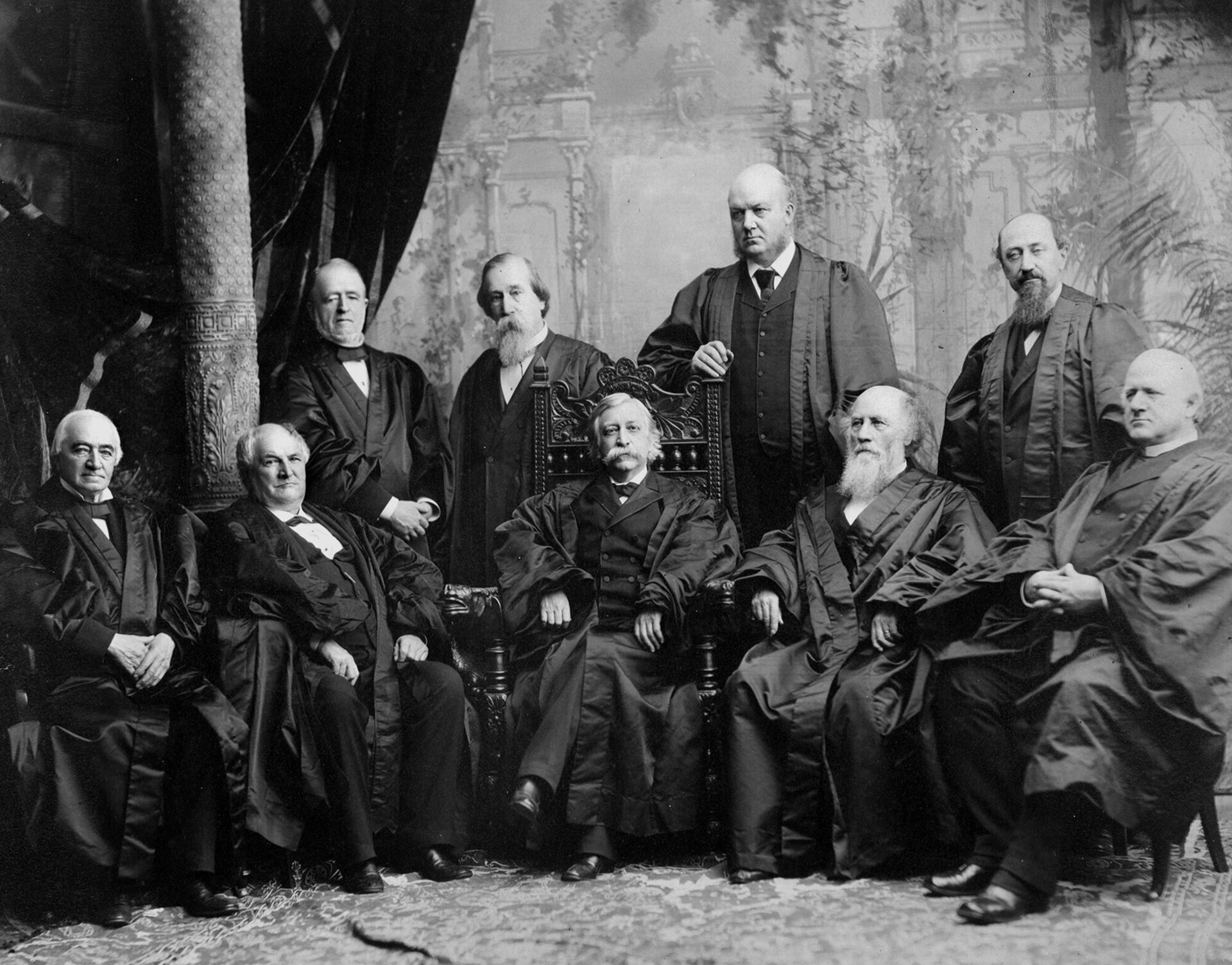
A dispute over a home minyan could determine how soon religious plaintiffs may seek federal review of zoning rules and other government policies they say burden worship.
The Supreme Court is considering a procedural question that could matter well beyond a residential neighborhood near Cleveland: When can a religious person or organization go to federal court to contest a local rule?
Daniel Grand, an Orthodox Jew in University Heights, Ohio, challenged a requirement that he obtain a special-use permit before holding a prayer gathering at his home. The justices are weighing whether he could sue before the city issued a final permit denial.
A decision is expected next year, according to CNN. The ruling could affect when churches, synagogues and other religious groups can challenge zoning rules or other regulations they believe burden religious exercise.
What the court could change
A ruling for Grand could give religious plaintiffs more room to seek federal review earlier, when they contend that zoning or regulatory requirements are interfering with worship.
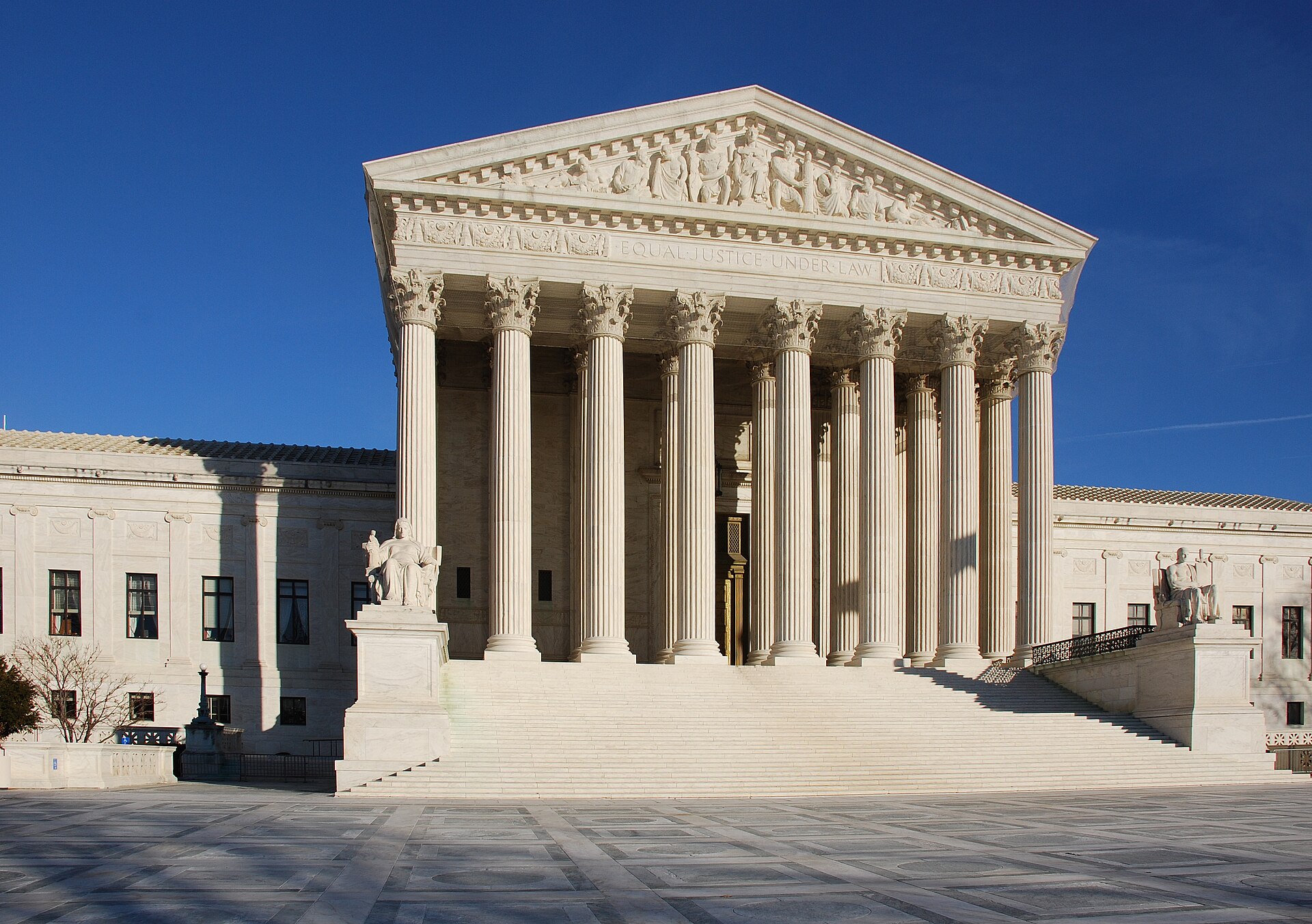
Religious groups say the issue extends beyond land use. CNN reported that they see potential implications for disputes over abortion-related workplace accommodations, health coverage for transgender care and anti-discrimination policies opposed on religious grounds.
That would not mean Grand’s case decides those underlying policy debates. Instead, a ruling in his favor could change the route into federal court by making it easier to argue that an alleged burden is immediate enough to challenge before every local or agency step has been completed.
A ruling for University Heights, by contrast, would reinforce the expectation that applicants generally must use local procedures through a final decision before turning to federal court. Supporters of that approach say it gives cities an opportunity to clarify how their rules apply and potentially settle conflicts without litigation.
Why University Heights says the lawsuit came too soon
The case centers on whether Grand’s claim was ready, or “ripe,” for court review. The Supreme Court is not being asked, at least directly, to decide whether University Heights’ zoning ordinance lawfully barred his prayer gathering.
University Heights argues that Grand sued prematurely because it never formally denied his permit request. In Supreme Court filings, the city said he was effectively asking the justices to act like a local planning commission and determine how zoning rules apply to gatherings whose details, the city says, remained uncertain.
The city points to signs that Grand may have been planning something larger than a small home gathering. His application referenced 21 chairs, used a name for the gathering and encouraged invitees to spread the word.
Grand’s lawyers see the matter differently. They argue that requiring a permit for a small religious gathering treated prayer more restrictively than comparable social activity in a home. They told the court that a neighbor’s poker night or Tupperware party would not need a permit to operate a casino or storefront.
How a home minyan reached the justices
Grand had invited about a dozen people to his rec room in early 2021 for a minyan, a prayer gathering requiring at least 10 men. He has said the home arrangement was practical because he did not have a synagogue nearby and does not drive on the Sabbath.
Hours after city officials learned of the invitation, they sent Grand a cease-and-desist notice, according to CNN’s reporting and court filings. The notice said he first needed a special-use permit.
Grand applied for that permit but later withdrew his request before the local planning commission completed its review. That withdrawal produced the technical question now before the court: whether the city had made a sufficiently final decision for him to file a federal lawsuit.
Grand told CNN he was surprised by the city’s demand. “I was taken aback, frankly,” he said. “I knew I didn’t need a permit to pray.”
Local zoning concerns and religious-exercise claims
The disagreement reflects a familiar conflict in local government. Cities use zoning codes to address traffic, noise, parking, occupancy and the character of residential blocks. Residents can reasonably expect rules to apply when a home begins operating more like a regular gathering place.
Religious groups counter that permit systems can become obstacles when they are applied to worship in ways they say do not apply to secular meetings. In their view, the burden may come not only from an ultimate rejection but also from delay, uncertainty and the cost of repeated local proceedings.
E. Joshua Rosenkranz, Grand’s lawyer, told CNN that governments can effectively deny religious exercise by running out the clock. Grand’s appeal argues that a person may be unable to get federal review while the government has not provided a definitive answer.
Sara Bronin, a George Washington University law professor and founder of the National Zoning Atlas, told CNN that small religious gatherings in a home would normally be understood as a permitted accessory use under common zoning language. She questioned why this dispute reached the Supreme Court.
Competing precedents frame the timing dispute
Grand relies heavily on an April decision in which the court unanimously allowed faith-based crisis pregnancy centers in New Jersey to challenge a subpoena in federal court before a court order compelled compliance.
Justice Neil Gorsuch wrote in that case that a state should not be able to marginalize dissenting voices while avoiding legal challenge.
University Heights relies instead on a 1985 Supreme Court precedent involving a Tennessee bank’s property-development plans. In that case, the court found the bank’s claim was not ready because local government had not reached a final decision.
The justices could issue a narrow ruling tied to Grand’s withdrawn application, or they could establish a broader standard for religious organizations seeking to challenge zoning and other regulations nationwide. For now, a proposed prayer gathering in a private home has become a test of where courts draw the line between an unfinished approval process and a government action concrete enough to challenge.







Leave a Reply